

British Shorthair
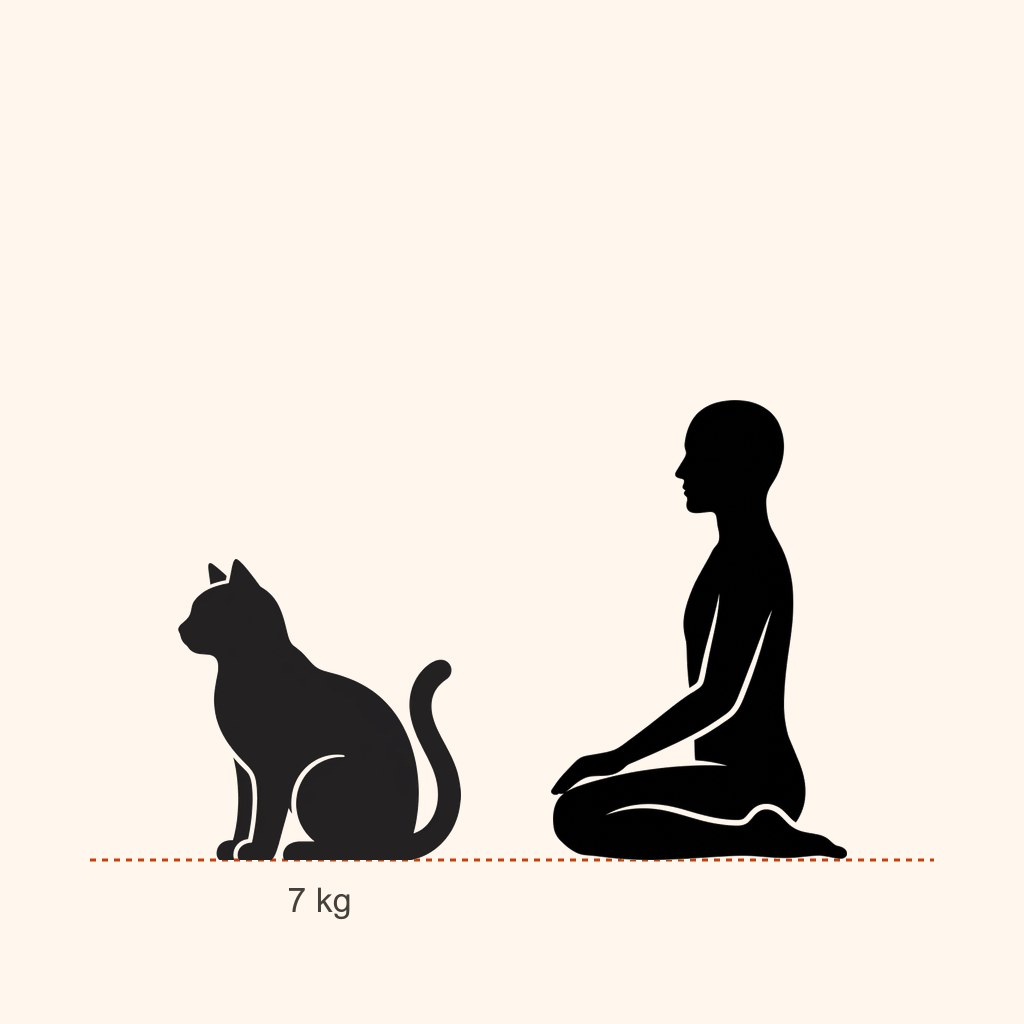
The image on this page is AI-generated and does not depict a real animal.
- Species
- Cat
- Origin
- United Kingdom
- Size
- Very Large
- Lifespan
- 12 - 17 years
- Temperament
- Affectionate Adaptable easygoing Gentle Loyal Patient Calm
- Description
Calm, easygoing, and bonds loyally with every member of its family.
- Physical Traits
Dense, plush short coat, a round chubby 'teddy bear' face, a stocky body; the classic color is blue-grey.
- Care / Environment Info
Lives indoors. Sheds noticeably. Easy to care for, brushing once a week is enough. A calm energy level. Very quiet. Generally a healthy breed.
British Shorthair Owner's Guide
Last updated:
Is a British Shorthair right for you?
The British Shorthair is one of the most popular pedigree cats in the world. The reason is not only its round face: it is a calm, quiet, balanced, and easy-to-care-for cat. Its dislike of sitting on laps is the quality most often wrongly expected of it.
| Situation | Suitability | Note |
|---|---|---|
| Apartment | Perfect | Calm and not very active; ideal as an indoor cat |
| Family with young children | Excellent | Patient and tolerant; sturdy thanks to its solid build |
| First-time cat owner | Perfect | One of the easiest breeds in both care and temperament |
| Alone 8+ hours a day | Good | Independent; copes with solitude better than other breeds |
| Household with fur allergies | Poor | A dense, plush coat that sheds heavily |
| Owner wanting a lap cat | Moderate | It will sit beside you but usually dislikes being held |
| Home with other cats or dogs | Good | Not confrontational; it adapts |
The most important thing to know when choosing this breed: the British Shorthair is very prone to weight gain. A calm temperament plus a good appetite leads to obesity when feeding is not managed.
Before you adopt
When buying a kitten, ask for the PKD (polycystic kidney disease) genetic test and the parents' cardiac screening results. Both tests should be standard in this breed.
Colour markedly affects price and availability; the "British Blue" grey is the most common, while golden, silver, and rarer colours are harder to find. Colour has no bearing on health.
British Shorthairs and their crosses appear in shelters and breed rescues; adopting an adult means the temperament is already known.
Temperament
The word that defines the British Shorthair is dignified. It moves calmly, rarely makes a sound, and has a lower urge to climb than other breeds. If you want a cat that scales the curtains and lives on top of the wardrobe, this is not the breed.
It is attached to its owner, but in an independent way: it wants to be in the same room, not on your lap. It follows you and sits beside you, but its tolerance for cuddling is usually limited. Read this as the breed's style, not as coldness.
It is shy with strangers but not aggressive. Its tolerance for children is high. It does not enter into conflict with other animals.
The kitten period is long; the British Shorthair does not fully mature until three years of age.
Health issues and lifespan
Average lifespan is 12 to 17 years.
- Hypertrophic cardiomyopathy (HCM): Thickening of the heart muscle. A genetic predisposition is known in this breed, and it is the most common heart disease in cats. It gives no signs for a long time; the first sign may be rapid breathing, lethargy, or sudden paralysis of the hind legs (aortic thromboembolism). Periodic echocardiography is recommended from adulthood.
- Polycystic kidney disease (PKD): Cyst formation in the kidneys. A genetic test exists, and responsible breeders test the parents.
- Obesity: The most common and most preventable problem in this breed. A combination of calm temperament, low activity, and a good appetite. Excess weight leads to diabetes, joint problems, and liver disease.
- Dental and gum disease: Common in cats generally; bad breath, difficulty eating, and drooling are the signs.
- Blood type incompatibility: Blood type B is more common in this breed than in others. If breeding, blood typing is required; an incompatible mating results in the loss of kittens.
Feeding
An adult British Shorthair (4-8 kg) needs roughly 55-75 kcal per kilogram of body weight per day, which for most individuals corresponds to 55-80 g of dry food. Feeding management is central to health in this breed.
- Kitten (2-12 months): Kitten food, measured rather than free-fed; three to four meals a day.
- Adult: High protein, low carbohydrate. Wet food increases water intake and supports urinary health; part of the daily ration can be given as wet food.
- Senior (8+ years): Kidney values should be monitored; a prescription diet on veterinary advice if needed.
Do not free-feed. Keeping the bowl permanently full is the number-one cause of obesity in this breed. Give measured portions, twice a day. A slow-feeder bowl and food puzzles both slow eating and increase movement.
Water intake is generally low in cats; multiple water bowls, a flowing fountain, and wet food all help.
Grooming and coat
The coat is short but very dense; because the undercoat is thick, grooming demands more than "short-haired" would suggest.
- Brush two to three times a week; daily during seasonal changes. Swallowed hair leads to hairballs and vomiting.
- Bathing is generally unnecessary; the cat cleans itself.
- Nails should be trimmed every two to three weeks.
- Teeth should be brushed several times a week; dental disease is very common in cats.
- Monthly ear checks.
- Litter tray: as a large breed it needs a wide tray with high sides. The rule of one tray per cat plus one applies.
Living space and enrichment
Although the British Shorthair is calm, inactivity is a health problem. Indoors:
- A scratching post. Offer both vertical and horizontal options; this breed likes horizontal scratching.
- Play. Ten to fifteen minutes of active play twice a day. Use wand toys and toys that can be caught, rather than a laser.
- Height. Although the urge to climb is low, it will use low to mid-level shelves.
- A window view. This breed likes to observe; a safe window spot (a screen is essential) fills much of the day.
- Food puzzles. Earning food through effort controls both weight and boredom.
This breed should live as an indoor cat; letting it outside means both traffic and disease risk.
History
The British Shorthair is Britain's oldest cat breed, with origins traced to the cats brought to the island in the Roman period. For centuries it lived as a farm and house cat; its sturdy build and calm temperament were shaped by natural selection.
At the end of the 19th century the cat breeder Harrison Weir standardised these street cats, and the breed appeared at the first cat show held at Crystal Palace in 1871. The two world wars nearly wiped it out; numbers fell so low that it was rescued by crossing with Persians and other breeds. The round face and heavy bone structure of today are largely the result of that rescue programme.
Its best-known reflection in popular culture is the widespread belief that the Cheshire Cat in Alice in Wonderland was inspired by this breed.
This guide is for information only and is not a substitute for veterinary advice. Prices are approximate and vary by region and time.
Adoption Prep Checklist
Housing
-
Cat bed
Cats want a safe space of their own to rest.
-
Cat scratching post
Satisfies the natural scratching instinct and protects furniture.
Feeding
-
Dry/wet cat food
Quality cat food is needed for balanced nutrition.
-
Food and water bowl set
Needed for daily feeding and water access.
Grooming
-
Cat litter and litter box
Essential for the cat's toilet needs.
-
Cat de-shedding brush
Regular brushing reduces hairball formation.
Activity
-
Cat toy
Cats release energy through play.
-
Cat carrier
Needed for safe transport to vet visits.
Frequently Asked Questions
Does the British Shorthair shed?
It sheds heavily, especially at seasonal changes. Expect near-daily brushing and regular cleaning at home; it is not a good choice for anyone sensitive to pet hair.
Can the British Shorthair live in an apartment?
Yes. It lives comfortably in an apartment as long as its daily needs are met. What matters is not floor area but consistent exercise and mental stimulation.
Is the British Shorthair good with children?
Generally yes. It adapts well to families with children. Even so, interactions should be supervised and children taught to respect the animal’s boundaries.
Is the British Shorthair suitable for first-time cat owners?
Yes. Its care and training are relatively forgiving, which makes it a sound choice for first-time owners.
How much exercise does the British Shorthair need?
Its energy level is low. Short, regular activity is enough; strenuous exercise is not required.
Can the British Shorthair be left alone during the day?
It tolerates being alone well. That makes it workable for someone employed full time, though it will still expect attention and activity on your return.
How long does the British Shorthair live?
The British Shorthair lives 12 - 17 years on average. Diet, regular veterinary check-ups and early screening for hereditary conditions all affect this directly.
Where does the British Shorthair come from?
The British Shorthair originates from United Kingdom. The geography a breed was developed in, and the job it was bred for, explain much of its temperament and care needs today.