

American Bobtail
The image on this page is AI-generated and does not depict a real animal.
- Species
- Cat
- Origin
- United States
- Size
- Medium
- Lifespan
- 11 - 15 years
- Temperament
- Intelligent Interactive Lively active Playful Sensitive
- Description
Affectionate, quite intelligent, and showing deep devotion to its family, this wild-looking cat.
- Physical Traits
Short 'bobtail' tail, a sturdy wild-looking body, short or medium-long coat, found in various colors and patterns.
- Care / Environment Info
Lives indoors. Sheds moderately. Very easy to care for, infrequent brushing needed. Moderate energy. Moderately vocal/talkative. Generally a very healthy breed.
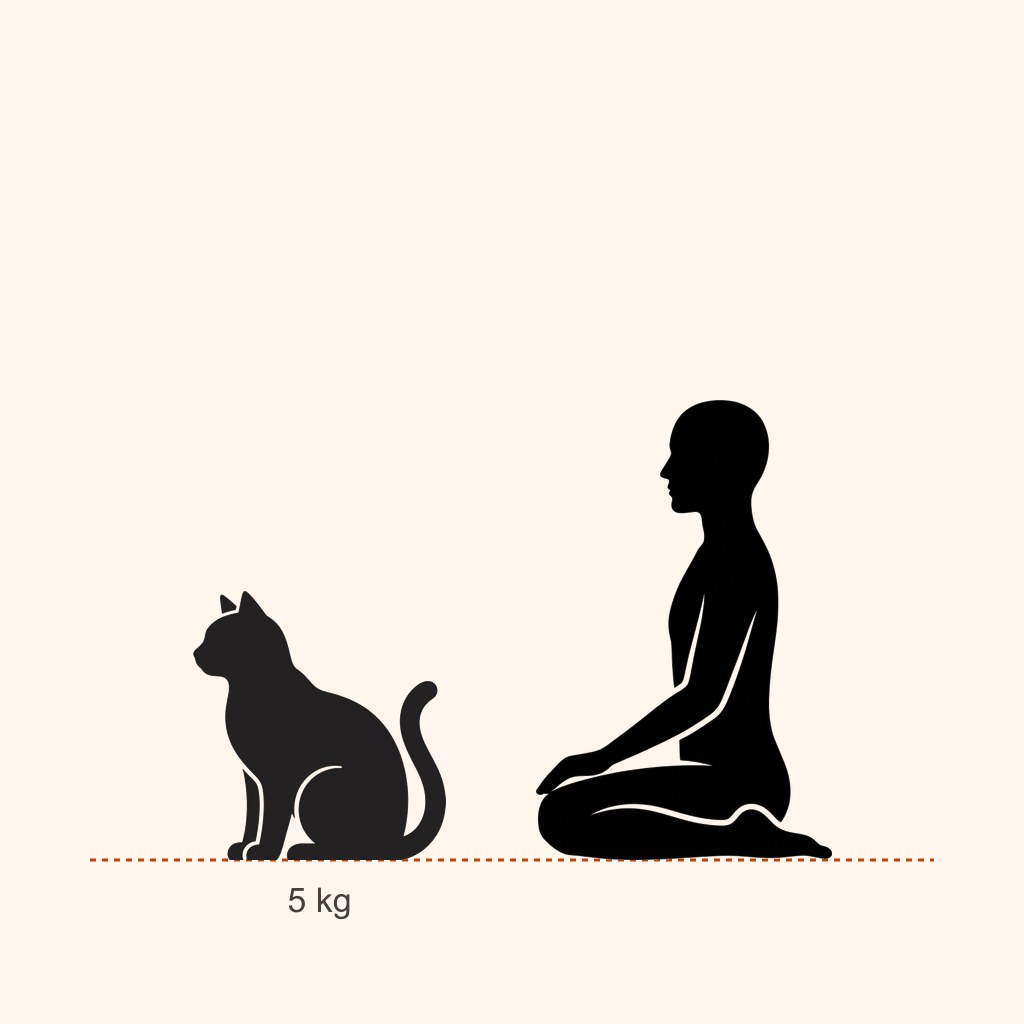
American Bobtail Owner's Guide
Last updated:
Is an American Bobtail right for you?
The American Bobtail is a naturally short-tailed, remarkably social and energetic American breed, often described as "dog-like." If you want a cat that greets visitors at the door, walks on a leash, and plays fetch, this is your breed; if you want a quiet lap cat, it is not.
| Situation | Suitability | Note |
|---|---|---|
| Apartment | Good | Needs vertical space and play, not just floor area |
| Family with young children | Excellent | Patient, playful, tolerant of rough handling |
| First-time cat owner | Good | Adaptable, but needs time to channel its energy |
| Alone 8+ hours a day | Moderate | Strongly bonded; dislikes long solitude |
| Household with fur allergies | Moderate | Varies by coat type; can still trigger allergies |
| Household with other pets | Excellent | One of the few breeds that gets along well with dogs |
| Home that needs quiet | Moderate | Doesn't yowl, but chirps and trills constantly |
The question to ask before choosing this breed: are you ready for a companion that behaves more like a dog than a cat, involved in everything around the house? If yes, the American Bobtail is surprisingly easy to love.
Before you adopt
When choosing a kitten, pay attention to tail length: the breed standard does not call for complete taillessness (rumpy) but a visible tail of roughly 2.5-10 cm. Individuals born nearly tailless or with a malformed spine have been reported to develop hip and spinal issues; responsible breeders remove such individuals from their programs. Because this is a rare breed, finding one in a shelter is uncommon; breed-club rescue networks are an option.
Temperament
The American Bobtail is highly social, curious, and eager to learn. It plays fetch, some individuals learn to walk on a leash, and it enjoys opening doors and investigating cupboards. It has a notable attraction to small, shiny objects, so valuables should be kept out of reach.
Its voice is usually not a meow but chirps and trills; it isn't a silent breed, but it isn't a loud one either. It is not shy of strangers, and many greet visitors at the door.
Physical maturity takes 2-3 years, and during that time the cat can still carry "kitten energy." Jumping and climbing ability is strong, and the playful nature is largely retained into adulthood.
Health issues and lifespan
Sources generally report a lifespan of 11-15 years, with some noting well-cared-for individuals reaching 15-20 years. It is considered a generally robust breed; aside from the short-tail mutation, there is no well-documented common breed-specific genetic disease.
- Spinal and hip effects (rare): Some individuals with the short tail have been reported to show mild spinal developmental differences. This should NOT be confused with the lethal taillessness gene in the Manx: the American Bobtail's short-tail mutation is a different one, the breed standard calls for a short but present tail rather than full taillessness, and the severe spine/bladder-bowel syndrome seen in Manx cats is not documented in this breed in the same way. Still, if you notice hind-leg weakness or reluctance to jump, have it checked by a vet.
- Hip dysplasia: The large-boned, athletic build can predispose some individuals to hip joint problems. Limping and reluctance to jump are signs.
- Hypertrophic cardiomyopathy (HCM): The most common heart disease in cats, also reported in this breed. Regular vet checks and, if needed, a heart ultrasound are recommended.
- Polycystic kidney disease (PKD): Some sources mention it can occur in the breed; good water intake and regular monitoring matter.
- Obesity: Despite its athletic build, this is a food-motivated breed; without portion control it gains weight easily.
Feeding
An adult American Bobtail (4-6 kg) needs the energy equivalent of about 55-75 g of dry food per day; adjust with your vet for individual variation.
- Kitten (2-12 months): Kitten food, three to four meals a day; quality protein matters given the large bone structure.
- Adult: High protein, measured calories. Being an athletic and curious breed, food puzzles both provide mental stimulation and slow down fast eating.
- Senior (8+ years): Joint support (omega-3) and annual heart/kidney checks are beneficial.
Because it is prone to weight gain, measure food with a kitchen scale and prefer scheduled meals over free feeding.
Grooming and coat
The American Bobtail comes in both short and medium-long coat types; both are relatively easy to maintain.
- Weekly brushing for shorthairs, two to three times a week for medium-longhairs.
- The dense undercoat sheds more heavily during seasonal changes; brush more often then.
- Because it loves to climb and jump, trim nails every two to three weeks and provide a sturdy scratching post.
- Brush teeth several times a week; check ears monthly.
- Bathing is usually unnecessary; the coat naturally maintains its oil balance.
Living space and enrichment
- Vertical space. Strong jumping ability calls for a cat tree, shelves, and window perches.
- Active play. Fifteen to twenty minutes of interactive play twice a day; it can genuinely learn to fetch.
- Leash habituation. For owners who want it, safe, controlled leash walks work well with this breed.
- Social contact. Tolerance for being alone is low; if you work long hours, consider a second pet.
- Safety measures. It has a curious, "collecting" streak; keep small, swallowable or breakable objects out of reach.
History
The breed's story starts in the late 1960s on an Indian reservation in Arizona, where a vacationing couple found a naturally short-tailed brown tabby kitten and named him Yodie. Yodie mated with the family's non-pedigreed female, Mishi; the resulting kittens also had short tails, showing the trait to be a dominant genetic mutation.
In the 1980s, a group of breeders rebuilt the breed from scratch using only naturally short-tailed, non-pedigreed American cats, with no wildcat crosses involved — the "bobcat hybrid" story is an urban legend. TICA recognized it as a natural breed in 1989, CFA accepted it for registration in 2000, and TICA granted championship status in 2002.
Today the American Bobtail remains a rare breed and is uncommon outside North America.
This guide is for information only and is not a substitute for veterinary advice. Prices are approximate and vary by region and time.
Adoption Prep Checklist
Housing
-
Cat bed
Cats want a safe space of their own to rest.
-
Cat scratching post
Satisfies the natural scratching instinct and protects furniture.
Feeding
-
Dry/wet cat food
Quality cat food is needed for balanced nutrition.
-
Food and water bowl set
Needed for daily feeding and water access.
Grooming
-
Cat litter and litter box
Essential for the cat's toilet needs.
-
Short-hair cat brush
Regular brushing reduces hairball formation.
Activity
-
Cat toy
Cats release energy through play.
-
Cat carrier
Needed for safe transport to vet visits.
Frequently Asked Questions
Does the American Bobtail shed?
Shedding is low. Brushing once a week is usually enough, with a mild increase during seasonal changes.
Can the American Bobtail live in an apartment?
Yes. It lives comfortably in an apartment as long as its daily needs are met. What matters is not floor area but consistent exercise and mental stimulation.
Is the American Bobtail good with children?
Generally yes. It adapts well to families with children. Even so, interactions should be supervised and children taught to respect the animal’s boundaries.
Is the American Bobtail suitable for first-time cat owners?
Yes. Its care and training are relatively forgiving, which makes it a sound choice for first-time owners.
How much exercise does the American Bobtail need?
It needs a moderate amount of exercise. Daily activity plus some play time makes for a balanced routine.
Can the American Bobtail be left alone during the day?
It can be left alone for a few hours. Long, routine absences can bring on boredom-driven behaviour problems; enrichment and a predictable routine reduce that risk.
How long does the American Bobtail live?
The American Bobtail lives 11 - 15 years on average. Diet, regular veterinary check-ups and early screening for hereditary conditions all affect this directly.
Where does the American Bobtail come from?
The American Bobtail originates from United States. The geography a breed was developed in, and the job it was bred for, explain much of its temperament and care needs today.