

English Springer Spaniel
The image on this page is AI-generated and does not depict a real animal.
- Species
- Dog
- Origin
- England
- Size
- Medium
- Lifespan
- 12-14 years
- Temperament
- Cheerful affectionate energetic friendly
- Description
Cheerful and energetic, a breed successful in both hunting and family dog roles.
- Physical Traits
Medium-length wavy coat (white-brown or white-black), long drooping ears, a compact muscular body.
- Care / Environment Info
Can live in an apartment with adequate exercise. Its wavy coat sheds moderately, requiring regular brushing. High exercise needs. Its drooping ears need regular cleaning.
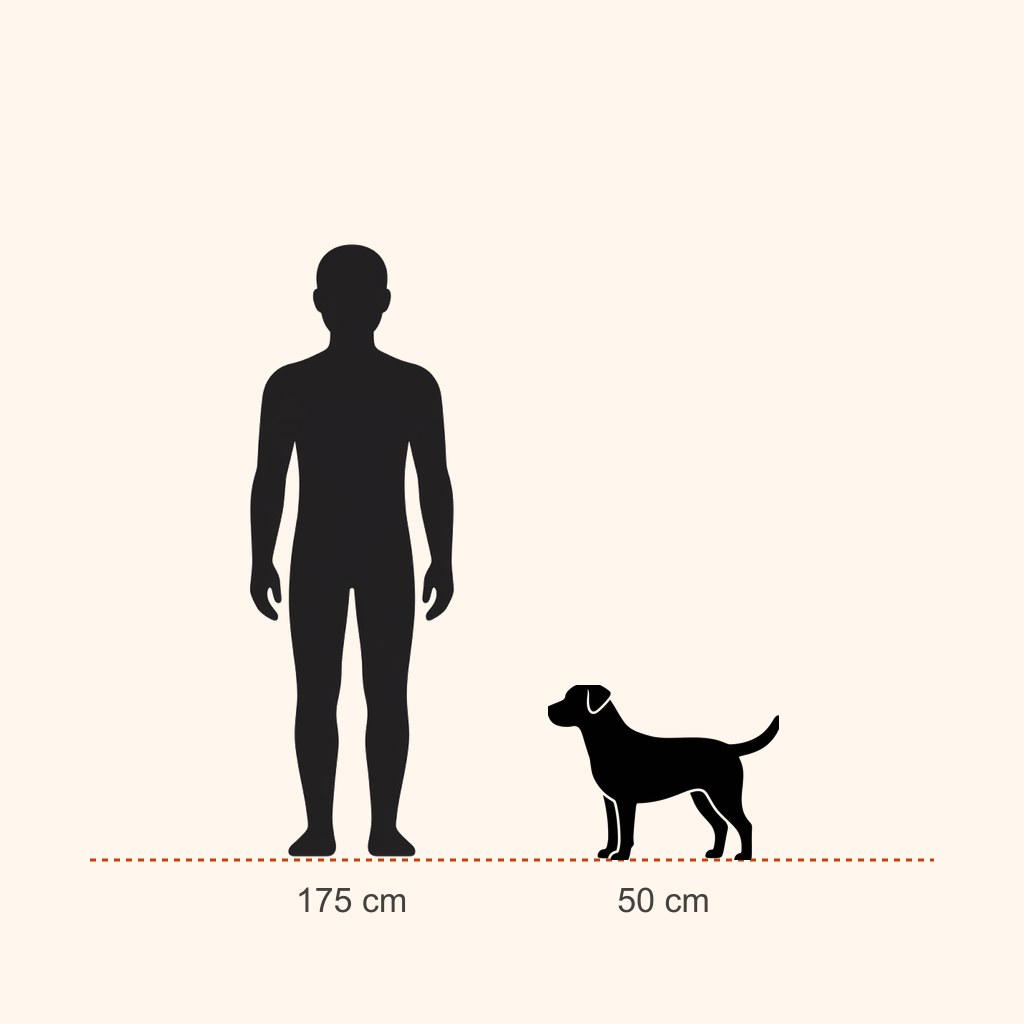
English Springer Spaniel Owner's Guide
Last updated:
Is an English Springer Spaniel right for you?
The English Springer Spaniel is a medium-sized English gundog bred to push into dense cover, flush ("spring") birds and retrieve shot game. It is cheerful, people-loving, good with children and eager to learn, which makes it a popular family dog. Two things should not be forgotten, though: PDSA says it needs more than two hours of exercise a day, and dogs from working lines are markedly more energetic than those from show lines.
| Situation | Suitability | Note |
|---|---|---|
| Apartment | Poor | An 18-25 kg gundog that needs over two hours of activity a day |
| Family with young children | Good | VCA says it is usually good with children; its exuberance needs supervision |
| First-time dog owner | Moderate | Keen and trainable, but its energy and distractibility need managing |
| Alone 8+ hours a day | Poor | People-focused; barks and becomes destructive when bored |
| Running, hiking, hunting | Excellent | The breed's true setting |
| Other dogs and pets | Good | VCA notes it gets on well with other animals; may take an interest in birds |
| No time for coat care | Poor | Brushing once or twice a week, regular ear care and periodic clipping |
| Looking for a guard dog | Unsuitable | Friendly even with strangers |
When choosing a puppy, always ask whether it comes from a working (field) line or a show line. Working Springers are lighter, less feathered and far more energetic; for a calmer family life a show line is usually the better fit.
Before you adopt
Health tests: The American breed club (ESSFTA) recommends at minimum: a DNA test for the cord1 (crd4) form of progressive retinal atrophy, a specialist eye examination, and hip and elbow X-rays. Optional but recommended: fucosidosis, phosphofructokinase (PFK) deficiency, degenerative myelopathy, autoimmune thyroiditis and a cardiac evaluation. PDSA likewise advises checking that the parents have been screened for inherited diseases.
Recessive genetic diseases: Fucosidosis and PFK deficiency are recessively inherited. Mating two carriers can produce affected puppies; see paperwork showing at least one parent is "clear".
Rescue: Springers are often surrendered because their energy needs were not met. Adopting an adult lets you see its temperament in advance.
Legal status: The breed is not typically restricted; in Turkey, for example, it is not on the dangerous-breed list under Law No. 5199.
Temperament
VCA describes the English Springer Spaniel as exuberant and energetic, usually good with children, eager to learn, outgoing with strangers and compatible with other pets. PDSA calls it a happy, playful and energetic family companion.
It is very attached to people and wants to join in with everything its family does. That helps in training, but when it is left alone and under-exercised it comes back as barking, chewing and damage in the house.
Its nose and hunting instinct are strong. On walks it dives into bushes, jumps into water and chases birds. Its retrieving instinct means it loves carrying things around; be ready for sock and shoe theft.
As VCA notes, it gets excited easily and can be distracted. It responds very well to short, playful, reward-based sessions; harsh methods damage trust in sensitive individuals.
Health issues and lifespan
VCA gives a lifespan of 10-14 years. ESSFTA describes the breed as generally healthy and long-lived; the main concerns are:
- Ear infections: As PDSA highlights, long, hairy drop ears are prone to infection. See a vet for head shaking, scratching at the ear, bad smell, redness or discharge. Dry the ears after swimming and bathing.
- Progressive retinal atrophy (PRA, cord1): An inherited eye disease beginning with poor night vision and progressing to blindness. A DNA test is available.
- Hip and elbow dysplasia: Limping, difficulty rising, stiffness after exercise. Parent X-rays and weight control matter.
- Phosphofructokinase (PFK) deficiency: An inherited enzyme deficiency. After hard exercise, excitement or stress, affected dogs show dark urine ranging from orange to dark coffee-brown, pale or yellowish gums, weakness and muscle cramps. There is no cure, but it can be managed by controlling activity and stress. See a vet the same day for dark urine or pale gums.
- Fucosidosis: An inherited enzyme deficiency that causes waste to build up in cells; it appears in young adulthood with progressive nervous system signs such as behaviour change, incoordination and hearing loss. Preventable with DNA testing.
- Obesity: VCA notes the breed tends to gain weight. Extra weight worsens joint problems.
- Hypothyroidism: Weight gain, lethargy, coat problems. Diagnosed by blood test.
Feeding
An adult English Springer Spaniel (18-23 kg according to PDSA, some males a little heavier) eats roughly 200-320 g of quality dry food a day depending on activity. A working-line dog running for hours a day needs more; for a pet, measure portions.
- Puppy (2-12 months): Medium-breed puppy food, three meals a day.
- Adult: 22-26% protein; measure with a cup because of the tendency to gain weight.
- Senior (8+ years): Reduce calories; consider joint support.
Deduct training treats from the daily ration. The ribs should be easy to feel under a light fat layer, and a waist should be visible from above.
Grooming and coat
A medium-length, silky, flat or slightly wavy coat with feathering on the ears, chest, legs and belly.
- VCA recommends brushing once or twice a week to prevent mats; PDSA adds that clipping is needed about every three months.
- Check ears weekly: Hair inside the ear flap and around the canal entrance can be trimmed; use cleaning products on veterinary advice.
- Keep hair under the paws and between the toes short; it traps mud and grass seeds.
- After country walks, checking ears, paws and armpits for grass seeds and ticks is essential; dry late-summer grass awns can work their way into the ear canal.
- Nails every three to four weeks, teeth several times a week.
- Avoid intense exercise in the hottest hours of summer; swimming, where available, is an ideal way to cool down.
Training and exercise
PDSA recommends more than two hours of exercise a day; VCA notes that field-bred dogs need even more. Long walks, running, fetch, swimming and scent work are ideal.
Priorities:
- Recall. It may range far after a scent or bird; work on a long line with high-value rewards.
- Retrieving and scent games. The mental work that best suits the breed: hide-and-find toys, short-distance retrieves.
- Calm greetings. Correct jumping up on people early.
- "Drop" or "give". Teach it to release items using a trade; do not turn it into a chase game.
- Being left alone. Build up gradually, starting with short absences.
- Socialisation (8-16 weeks).
Avoid long runs and repeated jumping on hard ground during puppyhood.
History
The Springer's roots lie in the hunting spaniels used in England for centuries. In the past, larger puppies in the same litter were used to flush birds as "springers", while smaller ones were used on woodcock as "cockers". Over time the two types became separate breeds.
The Kennel Club in Britain recognised the English Springer Spaniel as a separate breed in the early 20th century. Its skill at finding and flushing birds and retrieving shot game with a soft mouth made it a hunters' favourite.
In the 20th century the breed split into two branches: show lines, larger, more feathered and heavier for exhibition, and lighter working lines selected for speed and stamina in the field. Both types exist under the same breed name today. Thanks to their keen noses, Springers are also widely used as detection dogs at airports and by security services.
This guide is for information only and is not a substitute for veterinary advice. Prices are approximate and vary by region and time.
Sources
- vcahospitals.com/know-your-pet/dog-breeds/english-springer-spaniel
- www.pdsa.org.uk/pet-help-and-advice/looking-after-your-pet/puppies-dogs/medium-dogs/english-springer-spaniel
- s3.amazonaws.com/cdn-origin-etr.akc.org/wp-content/uploads/2024/09/20081544/ESSFTA-Health-Statement-2024-Final.pdf
- sites.google.com/site/englishspringerhealth/health-conditions/pfk
Adoption Prep Checklist
Housing
-
Medium-breed dog bed
A comfortable bed supports joint health.
Feeding
-
Medium-breed dog food
Food matched to breed size gives the right nutritional balance.
-
Food and water bowl set
Needed for daily feeding and water access.
Grooming
-
De-shedding brush
Regular brushing reduces shedding and matting.
-
Dog nail clippers
Regular nail care matters for healthy walking.
-
Dog shampoo
Use a dog-specific shampoo for skin and coat health.
Walking & Activity
-
Running/exercise dog harness
Needed for safe walks.
-
Interactive dog puzzle toy
Mental and physical stimulation reduces behavior problems.
Training
-
Training treats / beginner training guide
Basic obedience training is recommended for first-time dog owners.
Frequently Asked Questions
Does the English Springer Spaniel shed?
It sheds a moderate amount. Brushing two or three times a week noticeably reduces both loose hair and matting.
Can the English Springer Spaniel live in an apartment?
Yes. It lives comfortably in an apartment as long as its daily needs are met. What matters is not floor area but consistent exercise and mental stimulation.
Is the English Springer Spaniel good with children?
Generally yes. It adapts well to families with children. Even so, interactions should be supervised and children taught to respect the animal’s boundaries.
Is the English Springer Spaniel suitable for first-time dog owners?
Yes. Its care and training are relatively forgiving, which makes it a sound choice for first-time owners.
How much exercise does the English Springer Spaniel need?
It is high-energy and needs vigorous daily activity. Mental stimulation matters as much as physical exercise; without enough to do, destructive behaviour follows.
Can the English Springer Spaniel be left alone during the day?
It can be left alone for a few hours. Long, routine absences can bring on boredom-driven behaviour problems; enrichment and a predictable routine reduce that risk.
How long does the English Springer Spaniel live?
The English Springer Spaniel lives 12-14 years on average. Diet, regular veterinary check-ups and early screening for hereditary conditions all affect this directly.
Where does the English Springer Spaniel come from?
The English Springer Spaniel originates from England. The geography a breed was developed in, and the job it was bred for, explain much of its temperament and care needs today.