

Afghan Hound
The image on this page is AI-generated and does not depict a real animal.
- Species
- Dog
- Origin
- Afghanistan
- Size
- Very Large
- Lifespan
- 12-14 years
- Temperament
- Independent dignified aloof calm
- Description
Known for its elegant, aristocratic look, a sighthound breed bred for hunting in mountainous terrain.
- Physical Traits
Very long, silky coat, a slender long muzzle, an elegant, long-legged athletic body.
- Care / Environment Info
A house with a garden is preferred. Its very long silky coat requires regular (several times a week) brushing, otherwise it becomes matted. Moderate-to-high exercise needs.
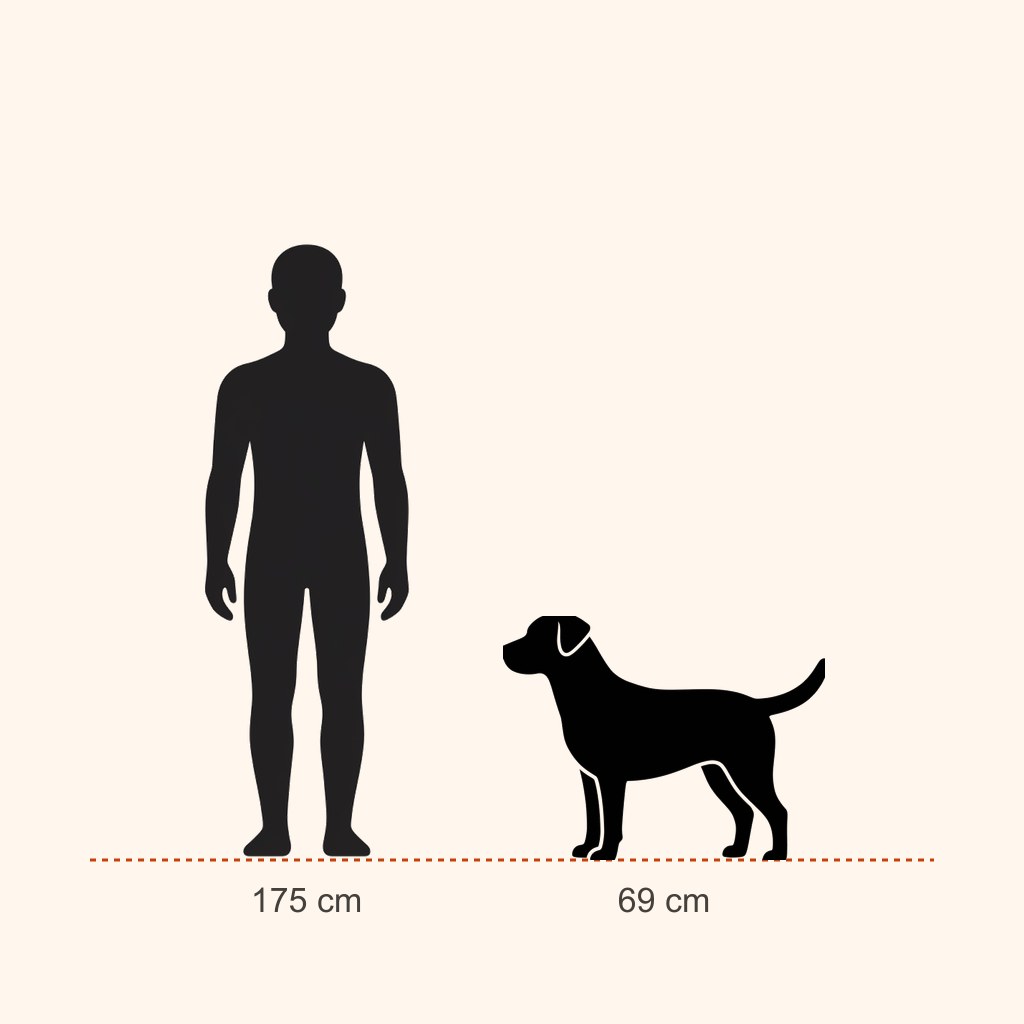
Afghan Hound Owner's Guide
Last updated:
Is an Afghan Hound right for you?
The Afghan Hound is a sighthound best known for its long, silky coat and striking looks. Behind the glamorous appearance is a temperament closer to an independent hunter than a lap dog: aloof, dignified, and used to making its own decisions. Two realities to accept before getting one: heavy daily coat care, and a real risk of the dog bolting after anything that moves once off-lead.
| Situation | Suitability | Note |
|---|---|---|
| Apartment | Moderate | Workable, but needs daily safe running time and a calm household |
| Family with young children | Moderate | Bonds well with early socialisation; its slim build is not built for rough play |
| First-time dog owner | Poor | Independent temperament and low obedience drive call for experience |
| House with a tall, secure fence | Good | Prey drive is strong; a low or weak fence will not hold this breed |
| Off-lead in an unfenced area | Risky | Very high prey drive; it chases anything that moves and recall cannot be trusted |
| Household with fur allergies | Moderate | Single coat that doesn't shed heavily, but long hair sheds onto everything |
| Owner with little spare time | Poor | Daily brushing is non-negotiable; the coat mats within days if skipped |
| Hot, sunny climate | Moderate | The long coat makes heat uncomfortable; exercise in cool hours and keep it shaded |
This table is not meant to sell the breed short — an Afghan Hound genuinely needs time, patience, and consistent grooming. In return it offers deep loyalty and, at home, a surprisingly silly, playful side.
Before you adopt
This is not a common breed in shelters or rehoming networks, and buyers are often drawn purely by its looks without researching temperament or upkeep. Weigh the grooming load and exercise needs honestly before committing.
If buying from a breeder, ask for hip evaluation, an eye examination, and a thyroid panel on both parents — the Afghan Hound Club of America specifically recommends screening all three for this breed. Ask to see the mother when you visit the litter; if she isn't shown, walk away.
Accept from the start that coat care is a daily routine, not a one-time cost. Untangling a badly matted Afghan Hound coat is exhausting for both dog and owner.
Temperament
Breed standards describe the Afghan Hound as "aloof and dignified" — wary of strangers, composed, almost indifferent on first meeting. That's not a lack of confidence; it's the breed's natural bearing.
With its own family it is affectionate and loyal, and once trust is established it can show a surprising, almost comical playful streak. That contrast — cool in public, silly at home — is one of the breed's defining traits.
It is an independent-thinking hunting dog. It hears a cue, weighs it, and often makes its own call, which is why it ranks low on classic obedience lists — that's a low willingness to cooperate, not a lack of intelligence.
Prey drive is intense. A cat, rabbit, or even a small dog moving nearby can trigger an instant chase that no amount of training will override; it can only be managed with a lead and secure fencing.
Early, ongoing socialisation shapes how it handles children and other animals; a poorly socialised adult tends to be more withdrawn and reactive.
Health issues and lifespan
Average lifespan is generally cited at 12 to 14 years, though at least one population study puts it closer to 11 — there's no firm consensus across sources.
- Hip dysplasia: Sighthounds' light bone structure and low body fat make this less common than in heavier breeds, but it does occur. Watch for limping, difficulty rising, or weakness in the hind legs, and ask breeders for hip certification.
- Hereditary cataracts: Typically start at the edge of the lens and progress slowly. Cloudiness, worsening night vision, or bumping into furniture warrants an eye exam.
- Hypothyroidism: Often driven by autoimmune thyroiditis. Weight gain, lethargy, and a duller, thinner coat are the signs; diagnosed with a blood test and manageable long-term with medication.
- Anesthesia and drug sensitivity: Sighthounds metabolise certain drugs, including some barbiturates, more slowly than other breeds, which can mean a longer, rougher recovery. Always tell your vet the breed before any surgery or dental procedure so the protocol can be adjusted.
- Chronic ear infections: Drop ears covered in hair trap moisture and dirt. Scratching, odour, or redness should prompt a vet check.
This is a general sighthound health profile, not a certainty for every dog — regular veterinary checkups remain the most reliable way to catch problems early.
Feeding
An adult Afghan Hound (roughly 23 kg for females, 27 kg for males) typically eats 300-420 g of quality dry food per day, adjusted for activity level.
- Puppy (2-18 months): Medium/large-breed puppy food, three meals a day. This breed grows tall quickly but isn't heavy-boned; overfeeding and rapid weight gain still strain developing joints.
- Adult: 22-26% protein, with portion control taken seriously. A sighthound's lean silhouette creates a false impression that it "doesn't eat much" — an active dog still needs adequate calories; a visible waist and lightly visible ribs are the actual sign of healthy weight.
- Senior (7+ years): Calories go down as activity drops, but because the breed is already naturally lean, watch just as closely for excess weight loss.
Two meals a day is the standard recommendation; avoid hard exercise right before or after a meal.
Grooming and coat
The long, fine, silky coat is the breed's signature — and its biggest maintenance commitment.
- Daily brushing is mandatory. Fine hair starts tangling behind the ears, in the armpits, and in the groin after even a single missed day.
- Use a pin brush and a wide-tooth comb together; work mats out by hand rather than cutting them out, and call in a professional groomer when needed.
- Regular bathing (roughly every one to two weeks) with a conditioner suited to fine hair keeps the coat from becoming brittle.
- Puppy coat usually gives way to the adult coat between 8 and 18 months — matting risk peaks during this transition, so step up grooming frequency.
- Never shave this breed. The coat protects against sun as well as being central to its look, and it may not grow back the same after clipping.
- Check ears weekly for moisture and buildup.
- Trim nails regularly and brush teeth a few times a week.
- If you can't keep up with this workload yourself, budget for regular professional grooming — a neglected coat can mat badly enough to require shaving it off.
Training and exercise
The Afghan Hound is an athletic sighthound that needs a brisk daily walk plus free-running time in a securely fenced area — short strolls alone won't cut it.
Priorities:
- Socialisation (8-16 weeks). Regular, positive exposure to people, children, and animals helps balance its naturally aloof temperament.
- Leash and fence security. The single most important item on this list. Given its intense prey drive, it cannot be trusted off-lead in an unfenced space.
- Recall training. Start in a secure, enclosed area at short distances with high-value rewards — but never fully trust it outdoors regardless.
- Positive reinforcement only. Harsh corrections don't work on this sensitive breed; it loses trust and becomes more stubborn. Keep sessions short and game-like.
- Channel the need to run. Free sprinting in a safe, fenced space or sighthound sports like lure coursing satisfies it both physically and mentally.
History
The Afghan Hound is an ancient sighthound shaped in the mountains and deserts of Afghanistan, closely related to the Saluki. Two regional strains developed — a lighter-coated "desert" type (the Bell-Murray line) and a heavier-coated "mountain" type (the Ghazni line).
In the early 20th century both lines were brought to Britain and combined into the foundation of the modern breed; the standard written in 1948 is still used today with minor updates.
In its home region the breed was used to sight, chase, and course hares and gazelle, selected for the endurance and agility needed on rugged terrain. After moving West it steadily gained popularity as a show and companion dog, and its striking looks later made it a recognisable face in fashion and art circles.
This guide is for information only and is not a substitute for veterinary advice. Prices are approximate and vary by region and time.
Adoption Prep Checklist
Housing
-
Large-breed dog bed
A comfortable bed supports joint health.
Feeding
-
Large-breed dog food
Food matched to breed size gives the right nutritional balance.
-
Food and water bowl set
Needed for daily feeding and water access.
Grooming
-
De-shedding brush
Regular brushing reduces shedding and matting.
-
Dog nail clippers
Regular nail care matters for healthy walking.
-
Dog shampoo
Use a dog-specific shampoo for skin and coat health.
Walking & Activity
-
Running/exercise dog harness
Needed for safe walks.
-
Interactive dog puzzle toy
Mental and physical stimulation reduces behavior problems.
Frequently Asked Questions
Does the Afghan Hound shed?
It sheds a moderate amount. Brushing two or three times a week noticeably reduces both loose hair and matting.
Can the Afghan Hound live in an apartment?
Possible but not ideal. A house with outdoor space is preferable; in an apartment you will need to increase daily exercise substantially.
Is the Afghan Hound good with children?
Caution is warranted. With proper socialisation and adult supervision it can live with children, but it is not a first choice for homes with young children.
Is the Afghan Hound suitable for first-time dog owners?
Partly. Someone with basic experience will manage well, but it would not be the first choice for a complete beginner.
How much exercise does the Afghan Hound need?
It is high-energy and needs vigorous daily activity. Mental stimulation matters as much as physical exercise; without enough to do, destructive behaviour follows.
Can the Afghan Hound be left alone during the day?
It tolerates being alone well. That makes it workable for someone employed full time, though it will still expect attention and activity on your return.
How long does the Afghan Hound live?
The Afghan Hound lives 12-14 years on average. Diet, regular veterinary check-ups and early screening for hereditary conditions all affect this directly.
Where does the Afghan Hound come from?
The Afghan Hound originates from Afghanistan. The geography a breed was developed in, and the job it was bred for, explain much of its temperament and care needs today.