

Affenpinscher
The image on this page is AI-generated and does not depict a real animal.
- Species
- Dog
- Origin
- Germany
- Size
- Small
- Lifespan
- 14-16 years
- Temperament
- Curious brave stubborn playful
- Description
Known for its monkey-like expression, this small but brave old terrier-type breed.
- Physical Traits
Wiry, coarse coat (usually black), a monkey-like facial expression, a very small compact body.
- Care / Environment Info
Very suitable for apartment living. Its wiry coat sheds little but requires regular trimming. Low-to-moderate exercise needs.
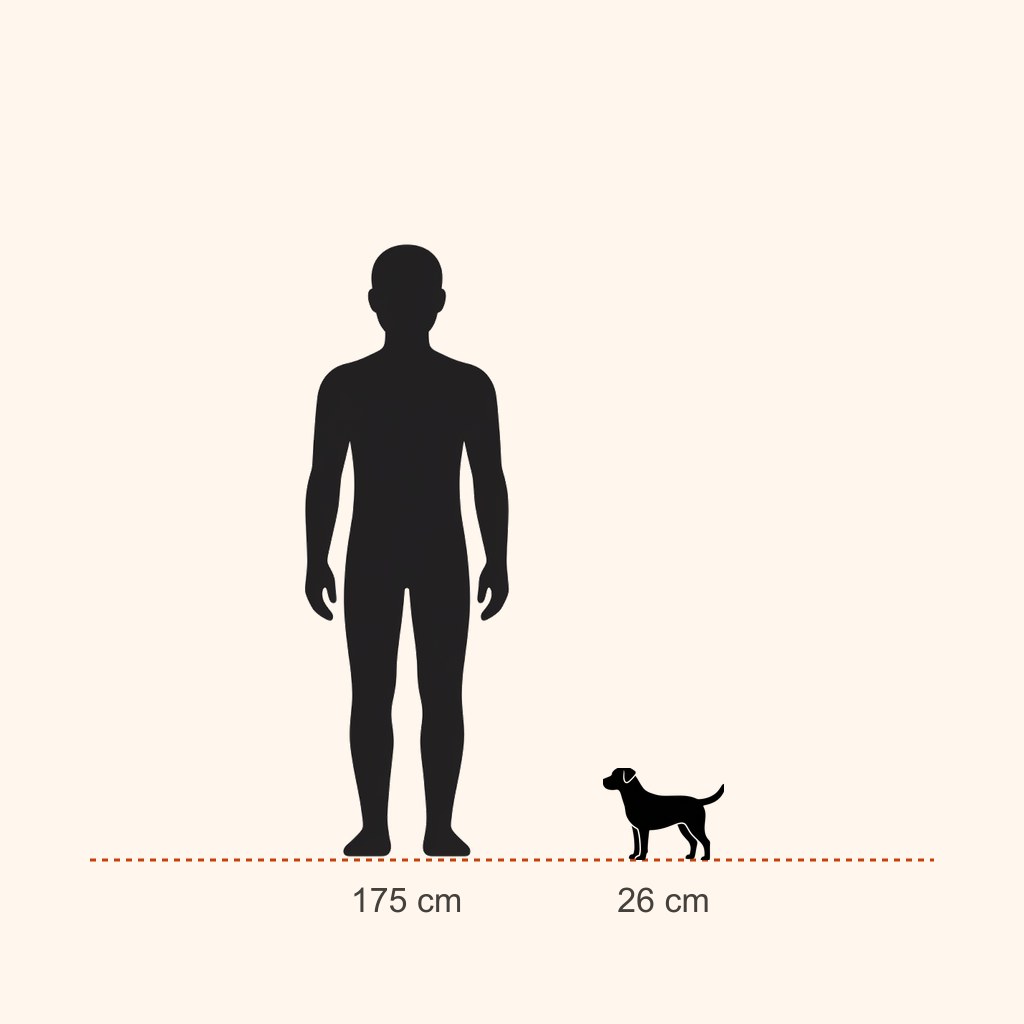
Affenpinscher Owner's Guide
Last updated:
Is an Affenpinscher right for you?
The Affenpinscher takes its name from the German for "monkey terrier": a miniature dog with an outsized personality. With its shaggy, expressive face it looks like a toy bear, but centuries ago it was a real working dog, bred to hunt rats in stables and kitchens. That history is the root of its bold, independent-minded character today.
| Situation | Suitability | Note |
|---|---|---|
| Apartment | Excellent | Small size and low-to-moderate energy make it very well suited to city living |
| Family with young children | Caution | Bold and playful, but small and fragile; supervise rough play and prevent falls or drops |
| First-time dog owner | Caution | Size is not intimidating, but the stubborn streak needs patient, consistent training |
| Alone most of the day | Moderate | Bonds closely with its owner; tolerates short absences but can become unsettled if left alone too long |
| Household with fur allergies | Moderate | Sheds a single wiry coat, but only lightly; not to be treated as hypoallergenic |
| Small home without a garden | Excellent | Ideal for its size and modest exercise needs |
| Close-neighbour apartment building | Caution | Tends to bark loudly at strangers |
One thing to accept before getting an Affenpinscher: small does not mean easy. Its stubbornness can make housetraining slower than in many breeds, so patience and consistency matter. In return, its size, energy level, and space needs make it very well suited to city and apartment life.
Before you adopt
If buying from a breeder, ask for documentation that the parents have been screened for hips, eyes (CERF/OFA), and patellas; the Affenpinscher Club of America treats these tests as the foundation of its health certification program. Ask to see the mother when you visit the litter; walk away if she is not present or not shown to you.
Toy-breed puppies separated from their mother before eight weeks can be more prone to behavioural problems, so make sure the puppy has stayed with her for at least that long.
The Affenpinscher is not a common breed outside dedicated fanciers, so purpose-bred rescues are rare; still, check shelters and breed-specific rescue groups first; a small dog suited to an experienced, patient owner sometimes turns up there. If a shelter dog resembling an Affenpinscher or a mix appeals to you, it can be an excellent alternative to buying a puppy.
Temperament
The Affenpinscher has courage out of proportion to its size. It will square up to a much larger dog or an unfamiliar person without hesitation — endearing, but a trait that needs managing.
It is curious, investigating every corner of the house and wanting to know what is going on. It bonds intensely with its owner, often gravitating to one person in the household and following them everywhere.
Stubbornness is a defining trait: the breed was shaped to work independently, making its own decisions while hunting vermin. Do not expect instant obedience-class results; motivation and repetition are needed.
It has a playful, comic personality — the breed standard describes it as moving with "comic seriousness." At the same time it stays alert to strangers and will not hesitate to sound off at a knock on the door or activity outside.
Health issues and lifespan
Sources generally put average lifespan between 12 and 16 years, making it a relatively long-lived toy breed. The Affenpinscher Club of America describes the breed as "relatively healthy" with no widely known inherited disease, but a handful of points deserve attention.
- Patellar luxation (slipping kneecap): Common across toy breeds; the Affenpinscher's love of jumping raises the risk. Signs are sudden, intermittent limping or skipping on one hind leg. See a vet for repeated or persistent limping; advanced cases may need surgery.
- Open fontanelle (molera): Some Affenpinschers are reported to have a soft, unclosed spot on the top of the skull. This area should be protected from impact; consult your vet if you notice a distinct soft spot.
- Legg-Calvé-Perthes disease: A disruption of blood supply to the hip joint seen in young toy dogs, typically between four and twelve months, causing limping and muscle wasting in the affected leg. Early diagnosis improves surgical outcomes.
- Mitral valve disease: A heart valve condition seen in older Affenpinschers; coughing, reduced stamina, and laboured breathing are signs. The breed club now requires basic cardiac screening in breeding stock for this reason.
- Dental crowding and gum disease: Teeth crowded into a small jaw accelerate tartar buildup; bad breath and red gums are early warning signs. Regular dental care matters more than average in this breed.
- Eye problems: Cataracts have been reported in older dogs; the breed club requires eye exams (CERF/OFA) in breeding stock. See a vet if you notice cloudiness or vision loss.
- Sensitivity linked to its flatter face: The short muzzle means heavy exertion and hot, humid weather should be avoided; loud snoring or laboured breathing warrants a veterinary check.
Feeding
An adult Affenpinscher weighs roughly 3-4.5 kg, so getting portions right matters a great deal for such a small dog. Excess weight adds strain to the joints (especially the kneecaps), while being underweight can raise the risk of hypoglycemia in toy breeds.
- Puppy (2-12 months): Small-breed puppy food, 3-4 small meals a day. Toy-breed puppies are prone to low blood sugar, so avoid long gaps without food.
- Adult: Roughly 40-70 g of quality small-breed dry food a day, split into two meals and adjusted for weight and activity. A measuring cup helps keep portions consistent.
- Senior (8+ years): Calories reduced slightly; a dental-support formula can help given this breed's tendency toward dental crowding.
The kibble's piece size matters too, given the breed's small mouth; oversized kibble can make eating harder.
Grooming and coat
The Affenpinscher's coat is wiry, harsh, and dense, with longer, shaggier hair over the shoulders, neck, and head that creates the breed's signature "monkey face" look.
- Brush two to three times a week to prevent matting.
- Show-quality coats are typically hand-stripped; pet trims with scissors or clippers are fine for companion dogs, though clipping softens the coat's texture over time.
- Bathing is rarely needed; about once a month is enough.
- Facial hair around the eyes and mouth collects debris; check and clean it daily.
- Brush teeth several times a week, ideally daily — especially important given this breed's dental crowding risk.
- Trim nails monthly; overgrown nails affect gait in small dogs.
- Check ears weekly; consult a vet if you notice redness or odour.
Training and exercise
Daily exercise needs are modest: a 20-30 minute walk plus indoor play satisfies most Affenpinschers. Mental stimulation matters just as much, though — this curious breed can turn boredom into destructive behaviour.
Priorities:
- Socialisation (8-16 weeks). Early exposure to strangers and other dogs reduces excessive wariness and unnecessary barking.
- Housetraining. Generally slower in small breeds; a fixed schedule and consistent reward-based routine are essential.
- Limiting jumping. Leaping off sofas or down stairs stresses joints already at risk from patellar luxation and Legg-Calvé-Perthes; ramps or steps can help.
- Positive-reinforcement obedience work. Short, fun, reward-based sessions work best against the stubborn streak.
- Managing barking. Alert barking is natural and cannot be eliminated entirely, but a "quiet" cue helps manage it.
Harsh or punitive methods backfire with this breed; an Affenpinscher digs in and can lose trust in its handler.
History
The Affenpinscher's roots trace back to the 1600s in Lübeck, Germany. The breed descended from ratting terrier lines developed to hunt rats and mice in stables and homes; during plague outbreaks, these dogs were reportedly brought in from the stables specifically to kill mice in the kitchen.
The German name "Affenpinscher" translates roughly as "monkey terrier," a nod to the breed's shaggy, expressive face. The French gave it the nickname "diablotin moustachu" — the "mustached little devil."
The breed reached the United States with the first American-born litter, whelped in 1935; its dam, Nolli v Anwander, became the first Affenpinscher officially registered by the American Kennel Club in 1936. Since then, despite its small stature, the Affenpinscher has remained one of the toy group's most memorable characters.
This guide is for information only and is not a substitute for veterinary advice. Prices are approximate and vary by region and time.
Adoption Prep Checklist
Housing
-
Small-breed dog bed
A comfortable bed supports joint health.
Feeding
-
Small-breed dog food
Food matched to breed size gives the right nutritional balance.
-
Food and water bowl set
Needed for daily feeding and water access.
Grooming
-
Short-hair dog brush
Regular brushing reduces shedding and matting.
-
Dog nail clippers
Regular nail care matters for healthy walking.
-
Dog shampoo
Use a dog-specific shampoo for skin and coat health.
Walking & Activity
-
Dog leash and collar set
Needed for safe walks.
-
Plush dog toy
Mental and physical stimulation reduces behavior problems.
Frequently Asked Questions
Does the Affenpinscher shed?
Shedding is low. Brushing once a week is usually enough, with a mild increase during seasonal changes.
Can the Affenpinscher live in an apartment?
Yes. It lives comfortably in an apartment as long as its daily needs are met. What matters is not floor area but consistent exercise and mental stimulation.
Is the Affenpinscher good with children?
Generally yes. It adapts well to families with children. Even so, interactions should be supervised and children taught to respect the animal’s boundaries.
Is the Affenpinscher suitable for first-time dog owners?
Partly. Someone with basic experience will manage well, but it would not be the first choice for a complete beginner.
How much exercise does the Affenpinscher need?
Its energy level is low. Short, regular activity is enough; strenuous exercise is not required.
Can the Affenpinscher be left alone during the day?
It can be left alone for a few hours. Long, routine absences can bring on boredom-driven behaviour problems; enrichment and a predictable routine reduce that risk.
How long does the Affenpinscher live?
The Affenpinscher lives 14-16 years on average. Diet, regular veterinary check-ups and early screening for hereditary conditions all affect this directly.
Where does the Affenpinscher come from?
The Affenpinscher originates from Germany. The geography a breed was developed in, and the job it was bred for, explain much of its temperament and care needs today.