

Cocker Spaniel
The image on this page is AI-generated and does not depict a real animal.
- Species
- Dog
- Origin
- United States
- Size
- Small
- Lifespan
- 12-15 years
- Temperament
- Affectionate gentle friendly lively
- Description
Known for its gentle and loving temperament, a hunting/companion dog that gets along well with families.
- Physical Traits
Long, silky, wavy coat, long drooping ears, a medium-sized elegant body.
- Care / Environment Info
Suitable for apartment living. Its long wavy coat sheds moderate-to-heavily, requiring regular brushing and clipping. Moderate exercise needs. Its drooping ears need regular cleaning, prone to ear infections.
Cocker Spaniel Owner's Guide
Last updated:
Is a Cocker Spaniel right for you?
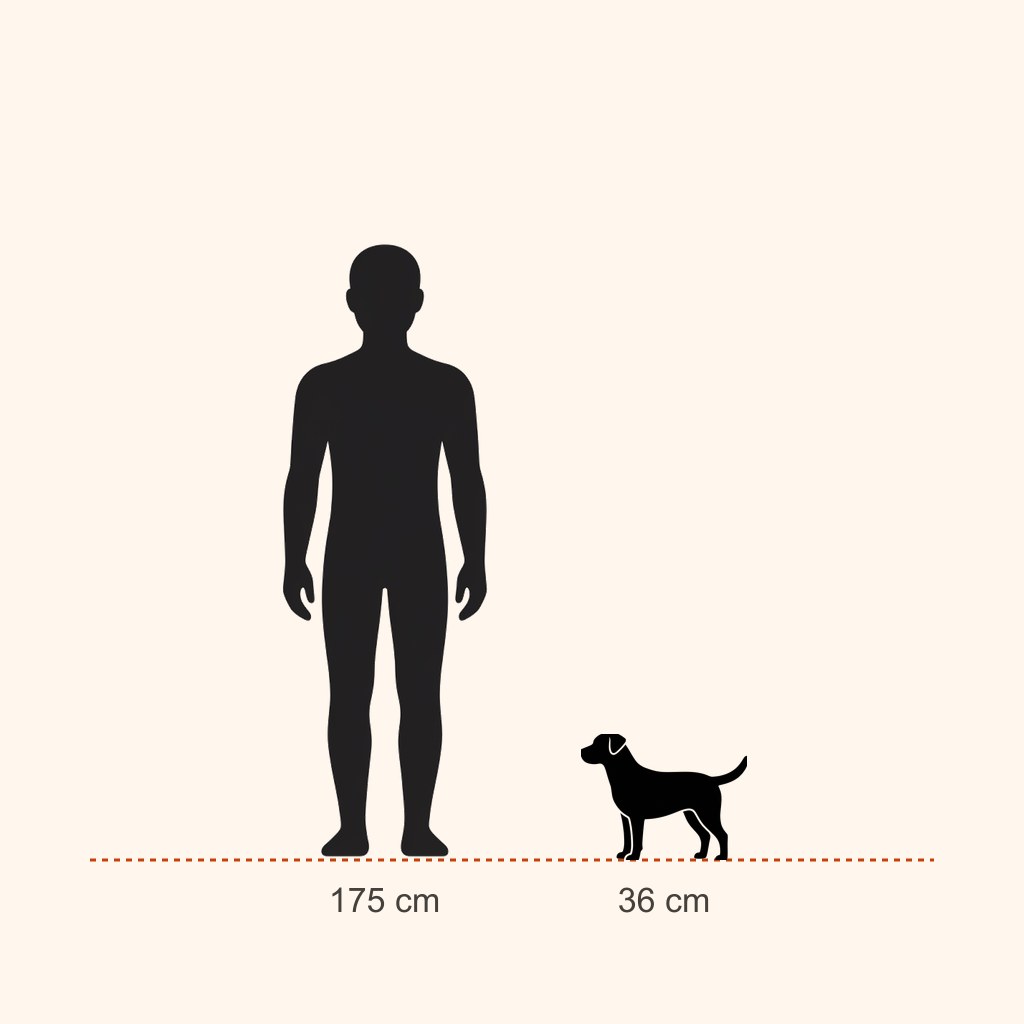
The Cocker Spaniel is one of the most recognisable medium-sized breeds, with its long ears and silky coat. Cheerful, affectionate, devoted to people. Both the American and English types exist; they are separate breeds, and the American type is smaller with a denser coat.
| Situation | Suitability | Note |
|---|---|---|
| Apartment | Good | Medium size; adapts with an hour of exercise a day |
| Family with young children | Excellent | Affectionate and playful |
| First-time dog owner | Good | Easy to train; grooming discipline is required |
| Alone 8+ hours a day | Poor | Attached to people; separation anxiety is common |
| Household with fur allergies | Poor | Long silky coat, sheds regularly |
| Home without a grooming budget | Poor | Needs clipping every six to eight weeks |
| Family that enjoys water and the outdoors | Perfect | A gundog background; loves swimming and scenting |
The most underestimated issue in this breed is ear health. Long, hairy, drop ears produce chronic infection, and weekly care is not negotiable.
Before you adopt
Ask the breeder for an eye examination and hip certification. Also observe the parents' temperament; shyness and excessive sensitivity can be heritable in this breed.
Cocker Spaniels appear in shelters and breed rescues, often surrendered because of the grooming workload or chronic ear problems. Adopting an adult means the coat and ear condition can be assessed in advance.
Temperament
The Cocker Spaniel is cheerful, affectionate, and devoted to people. It never stops wagging its tail; the description "merry cocker" appears even in the standard.
Closeness to people is a need in this breed. It follows you, sits beside you, and asks for attention. Long absences create separation anxiety.
It approaches strangers in a friendly way and is tolerant of children and other animals.
Because of its gundog background it loves to use its nose and to go into water. A walk that allows sniffing is far more satisfying for this breed.
It is sensitive. It shuts down in the face of harsh voices and punishment, and in some individuals fear-based behaviour problems appear. A gentle, consistent approach is needed.
Health issues and lifespan
Average lifespan is 12 to 15 years.
- Otitis externa: The breed's most common chronic problem. The long, hairy, drop ears block ventilation entirely. Head shaking, scratching at the ear, odour, redness, and discharge are the signs. Recurrent cases can lead to permanent canal narrowing and even surgery. Weekly checks and keeping the ears dry prevent most cases.
- Eye disease: Cataracts, progressive retinal atrophy, glaucoma, and cherry eye are common in this breed. Genetic tests and regular eye examinations matter.
- Hip dysplasia: Parental certification should be requested.
- Autoimmune haemolytic anaemia (AIHA): Reported more often in this breed; lethargy, pale gums, and rapid breathing are the signs.
- Patellar luxation.
- Hypothyroidism: Weight gain, lethargy, coat problems.
- Skin problems: Seborrhoeic dermatitis and allergies are common; allergy usually underlies the ear problems too.
- Obesity: It has a good appetite and gains weight easily.
Feeding
An adult Cocker Spaniel (11-15 kg) eats 180-280 g of quality dry food per day.
- Puppy (2-12 months): Medium-breed puppy food, three meals a day.
- Adult: 22-26% protein. If skin and ear problems recur, food allergy should be investigated; limited-ingredient food may be tried under veterinary supervision.
- Senior (8+ years): Calories reduced.
Measure with a cup; this breed gains weight easily, and excess weight worsens both joint and skin problems.
Specific to long-eared breeds: the food bowl should be narrow and deep, or the ears should be tied back; ears dipping into food and water cause both soiling and infection. Bowls made for this purpose (narrow-mouthed and deep, often called spaniel bowls) exist.
Grooming and coat
A long, silky, wavy coat requiring regular care.
- Brush two to three times a week. Behind the ears, in the armpits, under the belly, and on the leg feathering are the areas most prone to matting.
- Clipping every six to eight weeks. A short cut makes daily care markedly easier.
- Ears must be checked weekly and cleaned if needed on veterinary advice. Hair around the ear canal should be kept short to improve ventilation.
- Ears must always be dried after swimming.
- Bathe every four to six weeks, then dry thoroughly.
- Check eyes daily and wipe away discharge.
- Trim the hair under the paws.
- Nails every three to four weeks, teeth several times a week.
Training and exercise
Daily requirement: one hour. Walking, play, and especially the opportunity to sniff. Swimming is ideal exercise for this breed.
Priorities:
- Tolerating ear care. Introduce it with rewards in puppyhood; it is a lifelong routine.
- Socialisation (8-16 weeks). A sensitive breed; incomplete socialisation produces fear-based behaviour.
- Recall. Important because of the prey drive.
- Scent work. The best mental exercise for this breed; hiding food for it to find.
- Being alone. Gradual conditioning prevents separation anxiety.
- Gentle training. Work with rewards; harsh methods produce fear in this breed.
History
Spaniels are a very old group of gundogs thought to be Spanish in origin. In England they were divided over centuries by size and function: the smaller ones were used for bird hunting and the larger for quartering ground.
The name "Cocker" comes from woodcock hunting. These dogs went into the undergrowth to flush the bird and retrieve it once shot; their small size allowed them to move through dense cover.
The breed was standardised at the end of the 19th century. The lines taken to America developed in a different direction: smaller, rounder in the head, and far denser in coat. In 1946 the American and English types were recognised as separate breeds.
The American Cocker Spaniel was America's most popular dog from the 1930s to the 1950s. The character Lady in Disney's 1955 animated film reinforced the breed's popularity. That extreme popularity also brought health and temperament problems through uncontrolled breeding; responsible breeders today are working to correct that legacy.
This guide is for information only and is not a substitute for veterinary advice. Prices are approximate and vary by region and time.
Adoption Prep Checklist
Housing
-
Small-breed dog bed
A comfortable bed supports joint health.
Feeding
-
Small-breed dog food
Food matched to breed size gives the right nutritional balance.
-
Food and water bowl set
Needed for daily feeding and water access.
Grooming
-
De-shedding brush
Regular brushing reduces shedding and matting.
-
Dog nail clippers
Regular nail care matters for healthy walking.
-
Dog shampoo
Use a dog-specific shampoo for skin and coat health.
Walking & Activity
-
Dog leash and collar set
Needed for safe walks.
-
Plush dog toy
Mental and physical stimulation reduces behavior problems.
Training
-
Training treats / beginner training guide
Basic obedience training is recommended for first-time dog owners.
Frequently Asked Questions
Does the Cocker Spaniel shed?
It sheds heavily, especially at seasonal changes. Expect near-daily brushing and regular cleaning at home; it is not a good choice for anyone sensitive to pet hair.
Can the Cocker Spaniel live in an apartment?
Yes. It lives comfortably in an apartment as long as its daily needs are met. What matters is not floor area but consistent exercise and mental stimulation.
Is the Cocker Spaniel good with children?
Generally yes. It adapts well to families with children. Even so, interactions should be supervised and children taught to respect the animal’s boundaries.
Is the Cocker Spaniel suitable for first-time dog owners?
Yes. Its care and training are relatively forgiving, which makes it a sound choice for first-time owners.
How much exercise does the Cocker Spaniel need?
It needs a moderate amount of exercise. Daily activity plus some play time makes for a balanced routine.
Can the Cocker Spaniel be left alone during the day?
It can be left alone for a few hours. Long, routine absences can bring on boredom-driven behaviour problems; enrichment and a predictable routine reduce that risk.
How long does the Cocker Spaniel live?
The Cocker Spaniel lives 12-15 years on average. Diet, regular veterinary check-ups and early screening for hereditary conditions all affect this directly.
Where does the Cocker Spaniel come from?
The Cocker Spaniel originates from United States. The geography a breed was developed in, and the job it was bred for, explain much of its temperament and care needs today.