

Azawakh
The image on this page is AI-generated and does not depict a real animal.
- Species
- Dog
- Origin
- West Africa (Mali, Niger)
- Size
- Very Large
- Lifespan
- 12-14 years
- Temperament
- Loyal independent aloof with strangers calm
- Description
A very slender sighthound breed bred for hunting and guarding in the desert region.
- Physical Traits
Very short fine coat, a very slender long-legged elegant body, prominent rib and muscle definition.
- Care / Environment Info
A house with a garden is preferred. Its short coat sheds little, easy to maintain. Moderate-to-high exercise needs. Due to its lean build it is sensitive to cold.
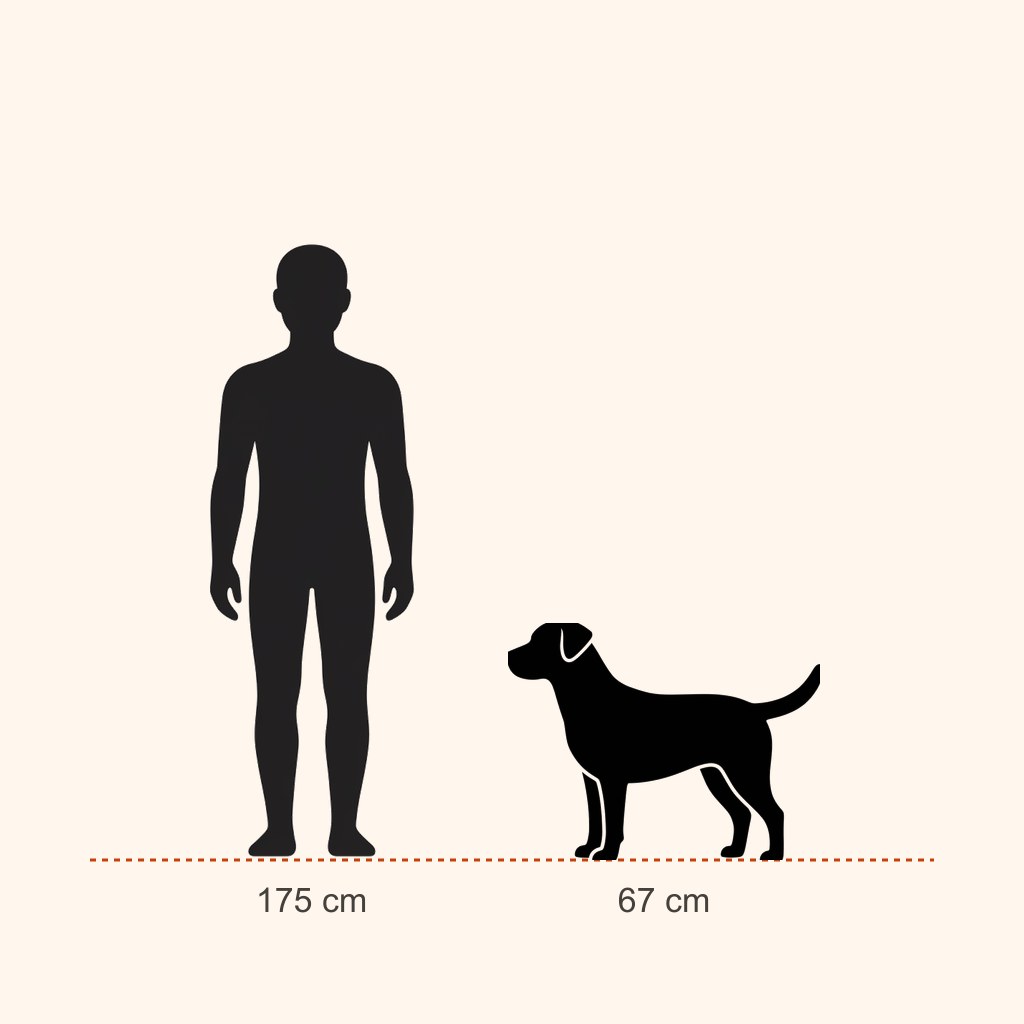
Azawakh Owner's Guide
Last updated:
Is an Azawakh right for you?
The Azawakh is an extremely lean, muscular sighthound from West Africa's Sahel region (Mali, Niger, Burkina Faso), capable of chasing game the size of a gazelle at speeds up to 65 km/h. Nomadic peoples such as the Tuareg, Peul, Bella, and Hausa bred it as both a hunter and a guardian — unlike most sighthounds, protection is baked into the Azawakh's origins.
| Situation | Suitability | Note |
|---|---|---|
| Apartment | Moderate | Can be a calm house dog, but needs daily room to run |
| Family with young children | Moderate | Affectionate with its own family, can be distant with unfamiliar children |
| First-time dog owner | Poor | Independent, aloof, and sensitive; needs an experienced owner |
| Cold climate | Poor | Thin coat and very low body fat mean it gets cold; needs a coat |
| Hot climate (Turkish summers) | Good | Built for heat by origin |
| Fenced, secure garden | Excellent | High prey drive as a sighthound makes a secure area essential |
| Home with other small pets | Poor | Strong prey drive; may chase cats and small animals |
| Busy household full of visitors | Poor | Naturally aloof with strangers and dislikes being touched by them |
The truth to settle before getting an Azawakh: this is not a lap dog, but a protector-hunter deeply attached to its own family and closed off to strangers. It may not show affection the way you'd expect, but it forms a quiet, intense bond.
Before you adopt
The Azawakh is an extremely rare breed in Turkey; you're very unlikely to find one through a shelter or rehoming channel. If considering a puppy from abroad, look for lines with hip and elbow evaluations and eye exams.
This breed carries very little body fat; visible ribs and hip bones are a normal feature of the breed, not a sign of illness. Trying to add extra weight is unhealthy for an Azawakh.
Temperament
The Azawakh bonds intensely with its family, has a strong memory, and is pack-oriented. It's reserved and wary of strangers; most individuals dislike being petted by someone they don't know. This is a selective style of affection, not aggression.
It's high-energy and has great stamina; its prey drive is very strong, and it can instantly chase a small moving animal — a cat, a rabbit, a street animal. At the same time it's a sensitive breed and can shut down in response to a harsh tone or rough handling.
It likes to sleep in a pile with its pack for warmth and doesn't enjoy being left alone.
Health issues and lifespan
Sources generally put the lifespan at 12 to 14 years.
- Hypothyroidism: Low thyroid hormone levels; shows up as weight gain, lethargy, skin and ear infections, and rarely seizures. Not curable, but manageable with medication.
- Masticatory muscle myositis: An immune-mediated inflammation of the jaw and head muscles; signs include difficulty opening the mouth and a sudden drop in appetite, requiring urgent veterinary care.
- Hip and elbow dysplasia: A joint development disorder that can cause lameness and joint pain later in life.
- Eye problems: Reported in some individuals; regular eye exams are recommended.
- Cardiac issues and autoimmune conditions: Reported in a limited number of cases; the breed's small, closed gene pool makes tracking harder, so health data for this breed is more limited than for common breeds.
Feeding
An adult Azawakh (15-25 kg) eats two meals a day of a quality, AAFCO-compliant food.
- Puppy (2-12 months): Large-breed puppy food; because this is a fast-growing, lean-framed breed, avoid excess calories and calcium.
- Adult: Naturally carries very little fat; ribs being slightly visible is normal for this breed, so there's no need to overfeed.
- Senior (8+ years): Review portions with small adjustments based on calorie needs.
Feeding-guide amounts on the bag are a starting point; adjust to body condition, since in this breed even a "slightly overweight" look is already more than it should carry.
Grooming and coat
Very short, fine coat with minimal shedding.
- A soft brush or a damp cloth once a week is enough.
- Baths are rarely needed; the thin coat dries quickly.
- Because of the thin coat and low body fat, a coat/jacket is recommended for cold-weather outings.
- Check nails regularly; an active breed may wear them down naturally, but checks are still needed.
- Ears and teeth follow a standard routine.
Training and exercise
Daily need: free running in a secure, fenced area plus 45-60 minutes of walking. The Azawakh is a sighthound built for short, explosive sprints rather than sustained running, and looks for brief bursts of intense activity.
Priorities:
- Socialization (8-16 weeks). Early, positive experiences help balance its naturally aloof nature and prevent excessive shyness.
- A secure area. Given its strong prey drive, never let it off-lead in an unfenced space — a sighthound will instantly chase anything that moves.
- Gentle, respectful training. Because it's sensitive, harsh methods backfire; a patient, reward-based approach works.
- Recall. A life-saving basic command in a breed with such a strong prey drive.
- Building the bond at home. This breed invests in its family, not in strangers; a patient, consistent relationship deepens into real devotion over time.
History
The Azawakh takes its name from the Azawagh Valley on the border of Mali, Niger, and Burkina Faso. It has been bred for centuries by peoples of the Sahel region, chiefly the Tuareg, along with the Peul, Bella, and Hausa.
Unlike most Western sighthounds, the Azawakh's primary job was not just hunting but also guarding the camp and the herd — which explains the breed's wariness toward strangers and protectiveness toward its own family. It was selected to chase prey like gazelle and hare at high speed.
It was introduced to the West in the 1970s through French diplomats and was fully recognized by the American Kennel Club in the Hound Group in 2019. It remains rare in Europe and North America; the range of colors accepted in the original African populations is broader than the official color list in Western standards.
This guide is for information only and is not a substitute for veterinary advice. Prices are approximate and vary by region and time.
Adoption Prep Checklist
Housing
-
Large-breed dog bed
A comfortable bed supports joint health.
Feeding
-
Large-breed dog food
Food matched to breed size gives the right nutritional balance.
-
Food and water bowl set
Needed for daily feeding and water access.
Grooming
-
Short-hair dog brush
Regular brushing reduces shedding and matting.
-
Dog nail clippers
Regular nail care matters for healthy walking.
-
Dog shampoo
Use a dog-specific shampoo for skin and coat health.
Walking & Activity
-
Running/exercise dog harness
Needed for safe walks.
-
Interactive dog puzzle toy
Mental and physical stimulation reduces behavior problems.
Frequently Asked Questions
Does the Azawakh shed?
Shedding is low. Brushing once a week is usually enough, with a mild increase during seasonal changes.
Can the Azawakh live in an apartment?
Possible but not ideal. A house with outdoor space is preferable; in an apartment you will need to increase daily exercise substantially.
Is the Azawakh good with children?
Caution is warranted. With proper socialisation and adult supervision it can live with children, but it is not a first choice for homes with young children.
Is the Azawakh suitable for first-time dog owners?
Partly. Someone with basic experience will manage well, but it would not be the first choice for a complete beginner.
How much exercise does the Azawakh need?
It is high-energy and needs vigorous daily activity. Mental stimulation matters as much as physical exercise; without enough to do, destructive behaviour follows.
Can the Azawakh be left alone during the day?
It tolerates being alone well. That makes it workable for someone employed full time, though it will still expect attention and activity on your return.
How long does the Azawakh live?
The Azawakh lives 12-14 years on average. Diet, regular veterinary check-ups and early screening for hereditary conditions all affect this directly.
Where does the Azawakh come from?
The Azawakh originates from West Africa (Mali, Niger). The geography a breed was developed in, and the job it was bred for, explain much of its temperament and care needs today.