

Russian Blue
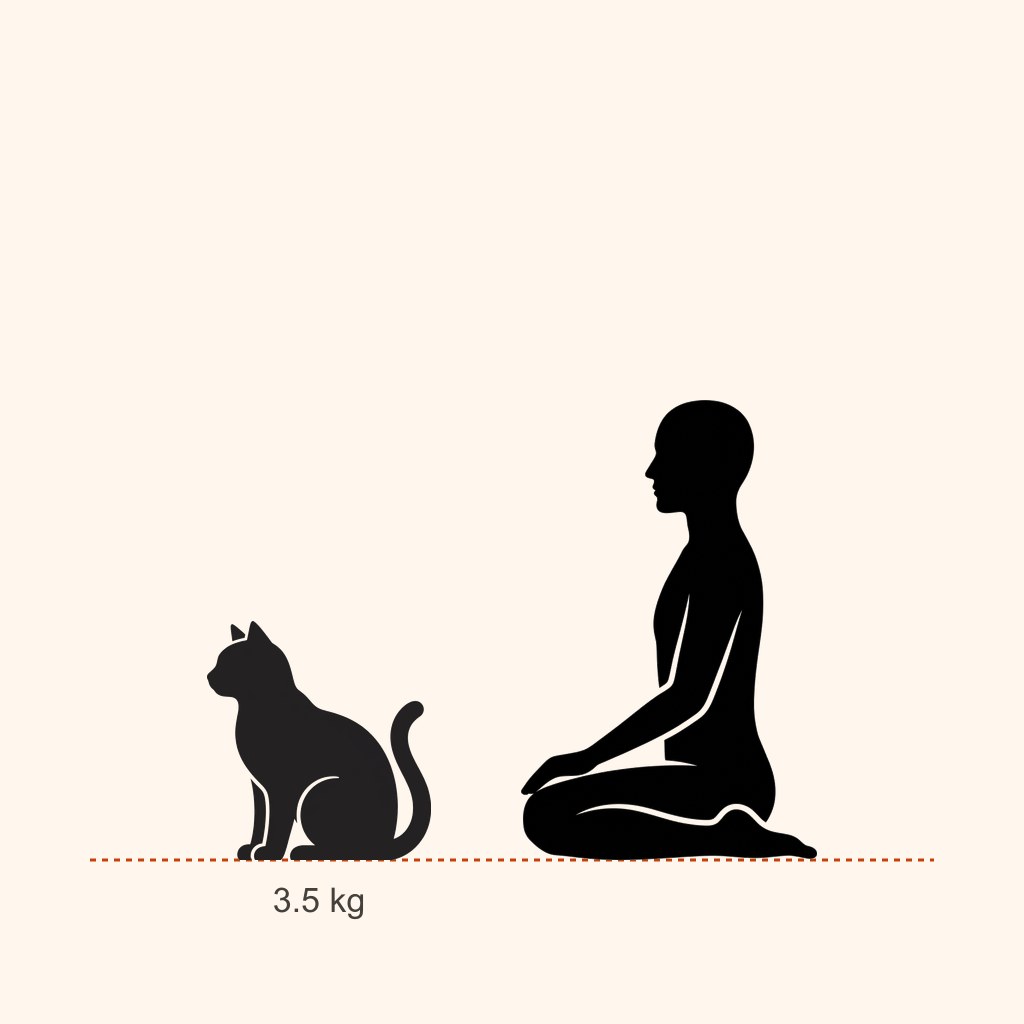
The image on this page is AI-generated and does not depict a real animal.
- Species
- Cat
- Origin
- Russia
- Size
- Small
- Lifespan
- 10 - 16 years
- Temperament
- Active Devoted (attached to its owner) Adaptable easygoing Gentle Intelligent Loyal Playful Quiet
- Description
Affectionate but reserved; doesn't like noisy environments, closely bonded to its owner.
- Physical Traits
Dense, plush silvery-blue double coat, bright green eyes.
- Care / Environment Info
Lives indoors. Sheds moderately. Requires moderate grooming, brushing a few times a week recommended. Moderate energy. Very quiet. Its allergy-triggering potential is considered somewhat lower than other breeds (not fully hypoallergenic). Generally a very healthy breed.
Russian Blue Owner's Guide
Last updated:
Is a Russian Blue right for you?
The Russian Blue is an elegant breed known for its silver-tipped blue-grey coat and emerald green eyes. Calm, quiet, and reserved. If you want an orderly home without crowds, this breed is for you; if you want a lively home with constant visitors, it is not.
| Situation | Suitability | Note |
|---|---|---|
| Apartment | Perfect | Quiet and calm; an indoor cat |
| Family with young children | Moderate | Disturbed by noise and sudden movement; good with calm children |
| First-time cat owner | Excellent | Easy to care for, causes no trouble |
| Alone 8+ hours a day | Good | Independent; copes well as long as its routine is not disrupted |
| Household with fur allergies | Moderate to good | A dense but short coat; some allergic people report tolerating it better |
| Home with frequent visitors | Poor | It hides from strangers and dislikes change |
| Home wanting quiet | Perfect | One of the quietest cat breeds |
The most distinctive feature of this breed is its attachment to routine. It becomes stressed when meal times, the litter tray position, or the household layout change.
Before you adopt
Warning: any blue-grey cat may be sold as a "Russian Blue". A genuine Russian Blue has distinguishing features: a silver-tipped double coat, emerald green eyes, a straight profile, and a slightly upturned mouth line. Kittens are born with yellow eyes that turn green over months.
Ask the breeder about cardiac screening and about bladder stone history in the line.
Russian Blues and their crosses appear in shelters; adopting an adult means the temperament is already known.
Temperament
The Russian Blue is calm, gentle, and reserved. It bonds strongly with its owner but does so without display: it stays in the same room, sits beside you, and watches you.
It is shy with strangers. Hiding when guests arrive is normal; this is the breed's style rather than fear. Trying to force contact increases the stress.
It is quiet, among the least vocal of cat breeds.
It is intelligent and enjoys play; individuals that play fetch and learn tricks are common. It keeps playing into adulthood.
It is attached to routine. It knows meal times and will remind you; changes in the household layout unsettle it.
It is fastidious about cleanliness and may refuse to use a dirty litter tray.
Health issues and lifespan
Average lifespan is 10 to 16 years. As a natural breed its genetic burden is low, and it is considered one of the most robust cat breeds.
- Obesity: The most common problem in this breed. A combination of calm temperament, good appetite, and low activity. Excess weight leads to diabetes and joint problems.
- Bladder stones and urinary problems: Reported. Frequent trips to the litter tray with little urine, blood in the urine, and toileting outside the tray are the signs. In male cats a urinary blockage is an emergency.
- Dental and gum disease: A general risk in cats.
- Hypertrophic cardiomyopathy (HCM): The most common heart disease in cats; although no particular predisposition is reported in this breed, periodic checks are useful.
- Stress-related problems: Changes in routine, moving house, or a new animal can trigger urinary problems and toileting outside the tray in this breed.
Note on allergies: it is widely said that the Russian Blue produces less Fel d 1 protein. That claim rests on individual experience and lacks strong scientific evidence; anyone with an allergy should spend a long time with the cat before adopting to test it.
Feeding
An adult Russian Blue (3-5.5 kg) needs the energy equivalent of 50-70 g of dry food per day. Portion control is central to health in this breed.
- Kitten (2-12 months): Kitten food, three to four measured meals a day.
- Adult: High protein, low carbohydrate. Wet food is helpful for urinary health.
- Senior (9+ years): Annual monitoring of kidney values.
Do not free-feed. This breed does not refuse food and gains weight without you noticing. Give measured portions, twice a day.
Use a fountain-type water bowl and multiple water points to encourage drinking.
Grooming and coat
A short but very dense double coat. Its texture is distinctive; the coat stands out from the body.
- Brushing once or twice a week is enough; increase during seasonal changes.
- It sheds little, but because the coat is dense, unbrushed hair is swallowed.
- Bathing is not needed.
- Nails every two to three weeks.
- Teeth several times a week.
- Monthly ear checks.
- Litter tray hygiene: this breed is fastidious; daily cleaning prevents toileting outside the tray.
Living space and enrichment
- A quiet corner. This breed needs a high, safe retreat of its own to withdraw to when guests arrive.
- Routine. Meal times and household layout should be kept constant. If change is needed, make it gradually.
- Play twice a day. If a calm temperament turns into inactivity, obesity follows. Wand toys and fetch.
- Food puzzles. For both movement and weight control.
- Vertical space. A cat tree and observation points; this breed likes to watch.
- A clean litter tray. One tray per cat plus one; daily cleaning.
- Indoors. This breed should strictly live as an indoor cat.
History
The Russian Blue's origins are traced to the port city of Arkhangelsk in north-western Russia, and the breed was long known as the "Archangel Cat". Its dense double coat is a product of the northern climate.
It is accepted that British sailors brought it to Britain in the 19th century. It was exhibited at the Crystal Palace cat show in 1875 under the name "Archangel Cat". For a long time it competed in the same category as the British Shorthair and only gained separate breed status in 1912.
The Second World War nearly wiped the breed out. After the war British and Scandinavian breeders rescued it by crossing the remaining individuals with Siamese and British Blue cats. That rescue caused temporary changes in the breed's type, and work to return to the original type was carried out over the following decades.
Today the breed standard accepts only the colour blue, and the combination of a silver-tipped coat with emerald green eyes is the breed's signature. A long-haired variant known as the Nibelung is also recognised.
This guide is for information only and is not a substitute for veterinary advice. Prices are approximate and vary by region and time.
Adoption Prep Checklist
Housing
-
Cat bed
Cats want a safe space of their own to rest.
-
Cat scratching post
Satisfies the natural scratching instinct and protects furniture.
Feeding
-
Dry/wet cat food
Quality cat food is needed for balanced nutrition.
-
Food and water bowl set
Needed for daily feeding and water access.
Grooming
-
Cat litter and litter box
Essential for the cat's toilet needs.
-
Cat de-shedding brush
Regular brushing reduces hairball formation.
Activity
-
Cat toy
Cats release energy through play.
-
Cat carrier
Needed for safe transport to vet visits.
Frequently Asked Questions
Does the Russian Blue shed?
It sheds a moderate amount. Brushing two or three times a week noticeably reduces both loose hair and matting.
Can the Russian Blue live in an apartment?
Yes. It lives comfortably in an apartment as long as its daily needs are met. What matters is not floor area but consistent exercise and mental stimulation.
Is the Russian Blue good with children?
Generally yes. It adapts well to families with children. Even so, interactions should be supervised and children taught to respect the animal’s boundaries.
Is the Russian Blue suitable for first-time cat owners?
Partly. Someone with basic experience will manage well, but it would not be the first choice for a complete beginner.
How much exercise does the Russian Blue need?
It needs a moderate amount of exercise. Daily activity plus some play time makes for a balanced routine.
Can the Russian Blue be left alone during the day?
It tolerates being alone well. That makes it workable for someone employed full time, though it will still expect attention and activity on your return.
How long does the Russian Blue live?
The Russian Blue lives 10 - 16 years on average. Diet, regular veterinary check-ups and early screening for hereditary conditions all affect this directly.
Where does the Russian Blue come from?
The Russian Blue originates from Russia. The geography a breed was developed in, and the job it was bred for, explain much of its temperament and care needs today.