

Persian
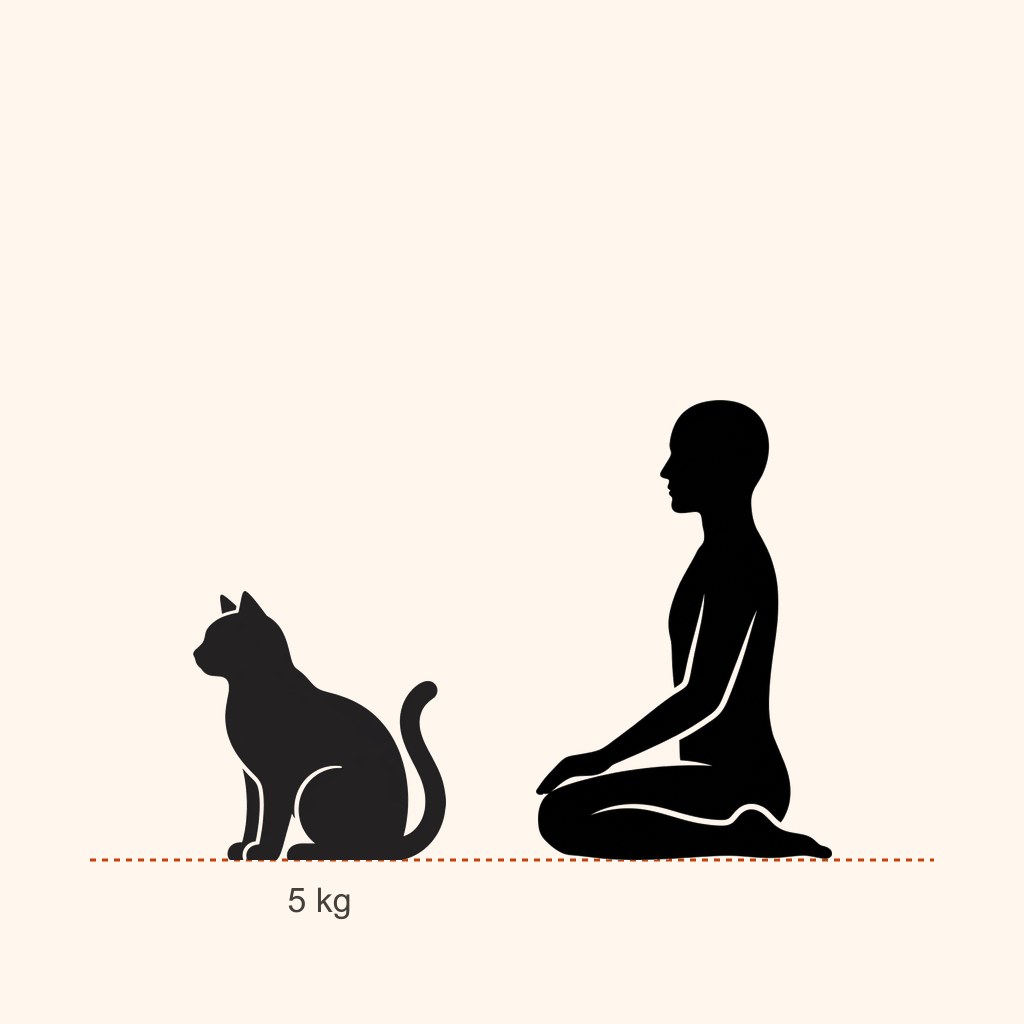
The image on this page is AI-generated and does not depict a real animal.
- Species
- Cat
- Origin
- Iran (Persia)
- Size
- Medium
- Lifespan
- 14 - 15 years
- Temperament
- Affectionate Loyal Dignified Quiet
- Description
Sweet and gentle; can be either playful or calm, gets along well with families.
- Physical Traits
Very long, luxurious coat, a flat ('peke') face, round eyes, a stocky body.
- Care / Environment Info
Lives indoors. Sheds noticeably. Requires intensive grooming, daily brushing/grooming needed. Very calm and low energy. Very quiet. Some breed-specific health monitoring is recommended.
Persian Owner's Guide
Last updated:
Is a Persian cat right for you?
The Persian has been one of the most recognisable breeds for centuries, with its long silky coat and calm temperament. A quiet, gentle, lap-loving cat. In return it asks for two things: daily brushing and constant health monitoring.
| Situation | Suitability | Note |
|---|---|---|
| Apartment | Perfect | Moves little; an indoor cat |
| Family with young children | Good | Gentle but needs calm; it avoids rough play |
| First-time cat owner | Moderate | Easy temperament, demanding daily grooming discipline |
| Alone 8+ hours a day | Good | Calm and independent |
| Household with fur allergies | Very poor | Long, dense coat that sheds constantly |
| Home that cannot spare 10 minutes a day | Not suitable | An unbrushed coat mats and damages the skin |
| Hot climate | Moderate | The combination of long coat and short muzzle struggles in heat |
The most realistic question when choosing this breed: can you set aside 10 to 15 minutes every day, without exception, for brushing? If the answer is no, do not get a Persian; matted hair both hurts and cannot be resolved except by clipping.
Before you adopt
When selecting a kitten, ask for the PKD genetic test result. Also avoid extremely flat-faced ("peke-face") individuals; the longer-muzzled type known as "doll face" is markedly healthier.
Persians and their crosses are frequently found in shelters, often surrendered because of the grooming workload. Adopting an adult means the coat condition and temperament are already visible.
Temperament
The Persian is calm, quiet, and low-energy. Climbing to high places, racing around, and scaling curtains are not this breed's style. It spends most of the day in a comfortable spot.
It is attached to its owner and enjoys the lap; this is the main reason people choose it. It is shy with strangers and hides in noisy environments.
Its voice is soft and rarely used. It signals its needs by waiting for you rather than insisting, which can make illness hard to notice; regular observation is needed.
It gets on well with children, but calm children. Chasing games and noise stress this breed.
Health issues and lifespan
Average lifespan is 12 to 16 years. This breed's health burden is heavier than that of other cats because of its facial structure.
- Brachycephalic syndrome: The flattened muzzle narrows the airway. Noisy breathing, mouth breathing, difficulty in heat, low exercise tolerance. Surgery may be needed in extremely flat individuals.
- Eye discharge and blocked tear ducts: The facial structure blocks the natural drainage of tears. Constant watering, brown staining below the eyes, skin irritation. Daily wiping is essential.
- Polycystic kidney disease (PKD): Historically the most common inherited disease in this breed. Cysts form in the kidneys and progress over time to kidney failure. A genetic test exists; responsible breeders test the parents and remove positive individuals from breeding.
- Hypertrophic cardiomyopathy (HCM): The most common heart disease in cats.
- Dental misalignment: The short jaw leaves the teeth irregularly arranged, accelerating tartar and gum disease.
- Ringworm (dermatophytosis): The long, dense coat creates a favourable environment for fungus. It presents with circular hair loss and scaling and can also spread to people.
- Heat stroke: The combination of a short muzzle and a thick coat. A cool environment and plenty of water are essential in summer.
Feeding
An adult Persian (3-5.5 kg) needs the energy equivalent of 45-65 g of dry food per day.
- Kitten (2-12 months): Kitten food, three to four meals a day.
- Adult: High protein, low carbohydrate. Kibble shape matters: because of the flat face this breed cannot pick up normal round kibble; almond or pyramid-shaped kibble made for Persians makes a marked difference.
- Senior (8+ years): Because of the PKD risk, kidney values should be checked annually.
Water intake is critical: in a breed predisposed to kidney disease, good hydration is protective. Use wet food, a fountain-type water bowl, and multiple water points.
The area around the mouth should be wiped after meals; food that gets into the coat both smells and irritates the skin.
Grooming and coat
This is the breed's most demanding and least negotiable aspect.
- Brush every day. Without exception. A metal comb and a dematting tool are needed. A week of skipped grooming ends at the clipping table.
- Matting starts mostly in the armpits, behind the ears, under the belly, and on the inner rear legs; check these areas particularly.
- The eyes must be wiped daily. With damp cotton wool, removing discharge before it dries.
- The facial fold (over the nose) must not stay damp and should be dried.
- Bathe every four to six weeks, then dry thoroughly. A wet undercoat produces fungus.
- Rear hygiene: faeces can stick to the long coat, so keeping the area short is a practical solution.
- Nails every two to three weeks, teeth several times a week.
If you cannot keep up the grooming there is nothing to be ashamed of: a short clip, often called a "lion cut", is a reasonable solution for the cat's comfort.
Living space and enrichment
- A low-level layout. The urge to climb is low; wide, soft resting areas rather than a tall cat tree.
- Coolness. A cool room, ceramic flooring, and shade in summer. Air conditioning is valuable for this breed.
- A wide litter tray. A wide, low-sided tray gives cleaner results with a long coat. One tray per cat plus one.
- Measured play. Ten minutes twice a day with toys dragged along the floor. Inactivity leads to obesity.
- A quiet corner. This breed is disturbed by noise and needs a calm area of its own.
It should live as an indoor cat; the coat becomes dirty and matted quickly outdoors.
History
As the name suggests, the breed's origins are traced to the Persian region of Iran. Long-haired cats were brought to Europe in the 17th century by the Italian traveller Pietro della Valle; a similar line reached Europe via Türkiye as the Angora cat, and the two breeds were confused for a long time.
In the Victorian era intensive breeding began in England and the breed appeared at the first cat show in 1871. In the 20th century, particularly in America, ever flatter-faced individuals were preferred; that extreme "peke-face" type is the source of today's respiratory and eye problems.
In recent years both breeders and veterinary organisations have shown a trend back toward the traditional longer-muzzled "doll face" type. If you are going to adopt a Persian, choosing this type directly affects the animal's lifelong comfort.
This guide is for information only and is not a substitute for veterinary advice. Prices are approximate and vary by region and time.
Adoption Prep Checklist
Housing
-
Cat bed
Cats want a safe space of their own to rest.
-
Cat scratching post
Satisfies the natural scratching instinct and protects furniture.
Feeding
-
Dry/wet cat food
Quality cat food is needed for balanced nutrition.
-
Food and water bowl set
Needed for daily feeding and water access.
Grooming
-
Cat litter and litter box
Essential for the cat's toilet needs.
-
Cat de-shedding brush
Regular brushing reduces hairball formation.
Activity
-
Cat toy
Cats release energy through play.
-
Cat carrier
Needed for safe transport to vet visits.
Frequently Asked Questions
Does the Persian shed?
It sheds heavily, especially at seasonal changes. Expect near-daily brushing and regular cleaning at home; it is not a good choice for anyone sensitive to pet hair.
Can the Persian live in an apartment?
Yes. It lives comfortably in an apartment as long as its daily needs are met. What matters is not floor area but consistent exercise and mental stimulation.
Is the Persian good with children?
Generally yes. It adapts well to families with children. Even so, interactions should be supervised and children taught to respect the animal’s boundaries.
Is the Persian suitable for first-time cat owners?
No — it suits experienced owners. Its character, energy or care requirements would be demanding for a first-time owner.
How much exercise does the Persian need?
Its energy level is low. Short, regular activity is enough; strenuous exercise is not required.
Can the Persian be left alone during the day?
It tolerates being alone well. That makes it workable for someone employed full time, though it will still expect attention and activity on your return.
How long does the Persian live?
The Persian lives 14 - 15 years on average. Diet, regular veterinary check-ups and early screening for hereditary conditions all affect this directly.
Where does the Persian come from?
The Persian originates from Iran (Persia). The geography a breed was developed in, and the job it was bred for, explain much of its temperament and care needs today.