

Havana Brown
The image on this page is AI-generated and does not depict a real animal.
- Species
- Cat
- Origin
- United Kingdom
- Size
- Medium
- Lifespan
- 10 - 15 years
- Temperament
- Affectionate Curious Demanding Friendly Intelligent Playful
- Description
People-focused, curious and playful; wants to be involved in everything its owner does.
- Physical Traits
Sleek, rich chestnut-brown short coat, oval paws and a distinctive nose/muzzle shape.
- Care / Environment Info
Lives indoors. Sheds moderately. Very easy to care for, infrequent brushing needed. Moderate energy. Very quiet. Generally a very healthy breed.
Havana Brown Owner's Guide
Last updated:
Is a Havana Brown cat right for you?
Despite its name, the Havana Brown has nothing to do with Cuba — it's a British breed. It stands out for its glossy chocolate-brown coat, vivid green eyes, and brown whiskers, the only breed standard that rejects white whiskers. In temperament it sits between the Siamese and the Persian: neither as high-energy as one nor as sedate as the other, it's a balanced, curious, people-oriented companion.
| Situation | Suitability | Note |
|---|---|---|
| Apartment | Very good | Moderately active, adapts easily to indoor life |
| Family with young children | Good | Calm and friendly; prefers engagement over rough play |
| First-time cat owner | Good | Easy temperament, low maintenance; the real challenge is the breed's rarity |
| Alone 8+ hours a day | Moderate | Bonds closely with people and can get bored alone; a second cat helps |
| Household with fur allergies | Moderate | Short-coated and low-shedding, but allergy risk is never zero |
| Home that needs quiet | Very good | Rarely vocal, communicates in soft chirps |
| Adopter looking for a rare breed | Good | One of the rarest breeds in the world; finding a kitten can take time |
The realistic question here: are you prepared for a patient search? The Havana Brown is one of the world's rarest pedigreed cats, and finding a breeder may mean joining a waiting list.
Before you adopt
The breed's genetic history shapes its present: in 1974 the CFA closed the studbook to all outcrossing, sharply narrowing genetic diversity. A limited outcrossing programme followed in 1998, and an updated 2019 programme now allows controlled crosses to Oriental Shorthairs, seal- or chocolate-point Siamese, and unregistered black or blue domestic shorthairs, aiming to widen the gene pool over time. When choosing a kitten, it's worth asking the breeder about this outcrossing history and whether a heart screening (echocardiogram for HCM) has been done.
Temperament
The Havana Brown is intelligent, curious, and people-focused; it wants attention and gives plenty back. Its most characteristic habit is picking up and examining new objects with both front paws at once — an almost monkey-like curiosity.
It rarely raises its voice; instead of the Siamese's insistent meow, it "talks" in soft chirps and trills. Some individuals bond to one person and stay shy, while others are quite social; overall it tends to get on well with children, other cats, and dogs, adapting easily to a multi-pet household.
Its activity level is moderate — neither a lap-sleeper all day nor a wall-climbing bundle of energy. It enjoys toys and mental stimulation.
Health issues and lifespan
Sources generally put lifespan at 9-15 years, with well-cared-for individuals sometimes exceeding that. Despite its narrow gene pool, the Havana Brown isn't associated with one dominant inherited disease; it's generally considered a hardy breed.
- Hypertrophic cardiomyopathy (HCM): The most common heart disease in cats, reported in this breed too. Regular veterinary checks and an echocardiogram when indicated are recommended.
- Calcium oxalate stones: Reported as somewhat more common in this breed's urinary tract than in some others. Frequent urination, blood in the urine, or repeated straining in the litter box call for a prompt vet visit. Plenty of water intake is protective.
- Gingivitis: Noted as a tendency inherited from its Siamese ancestry; regular dental care and checkups matter.
- Narrow genetic diversity: Not a disease in itself but a long-term risk factor; the outcrossing programme run by responsible breeders aims to reduce this over time.
Feeding
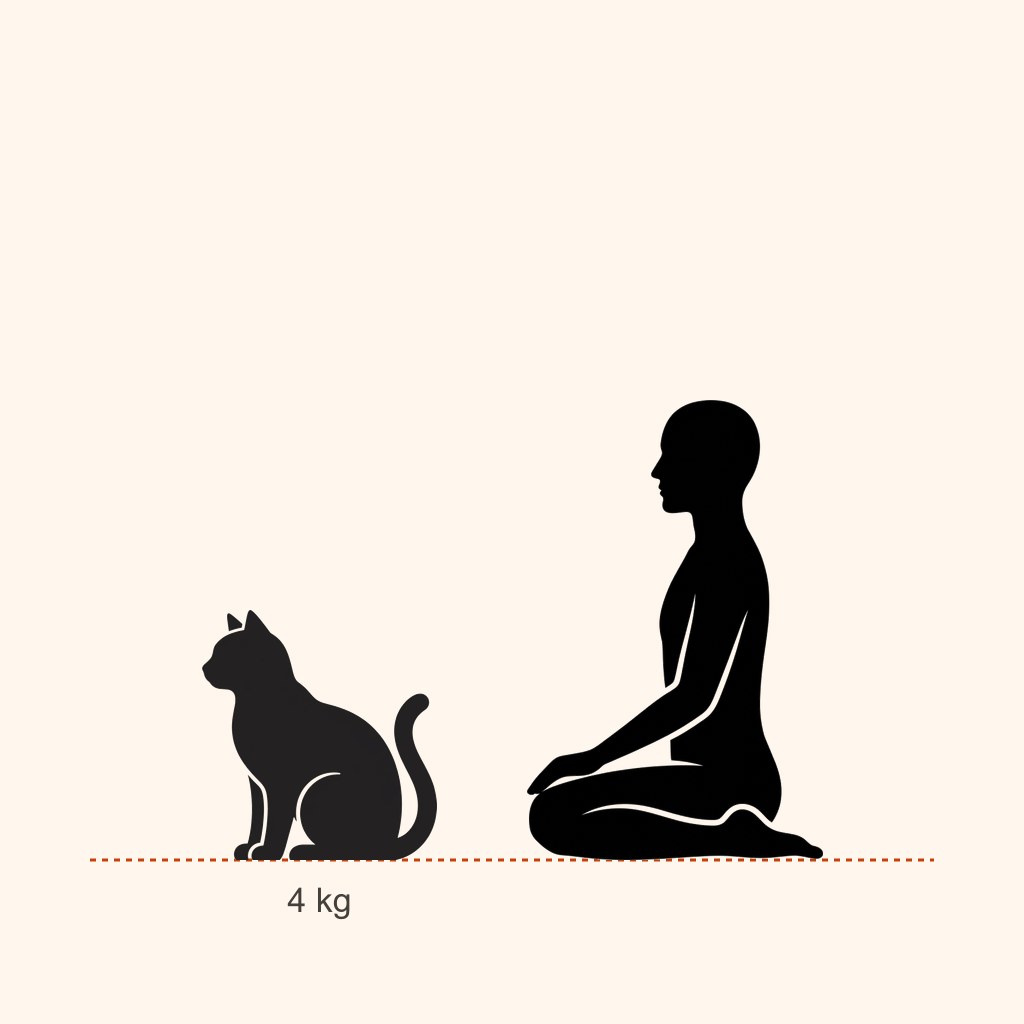
An adult Havana Brown (2.7-5.4 kg / 6-12 lb) can be fed the standard amount for a medium-sized cat; the exact grams depend on the food's calorie density, so follow the feeding chart for its weight.
- Kitten (2-12 months): Kitten food, three to four meals a day.
- Adult: High protein, balanced mineral content. Given the calcium oxalate risk, wet food and generous water intake should be encouraged.
- Senior (8+ years): Heart and urinary tract health should be checked annually.
Multiple water bowls and a fountain-type dispenser both support urinary health and appeal to this curious breed's interest in moving water.
Grooming and coat
The Havana Brown is low-maintenance to groom.
- The short, glossy coat stays neat with weekly brushing.
- Shedding is minimal; no daily coat care is needed.
- Nails every two to three weeks.
- Because of its gum sensitivity, brush teeth several times a week.
- Check ears monthly.
Living space and enrichment
- Interactive toys. This breed loves picking up and examining objects; jingle balls and puzzle feeders are a good match.
- Social time. Several bouts of active attention a day; its tolerance for being alone is moderate.
- Mid-height climbing spots. Not as extremely athletic as some Oriental breeds, but it enjoys climbing.
- A second pet. A good companion if it will be alone for long stretches, preventing boredom.
- Quiet vantage points. Window perches and similar spots satisfy its curious nature.
History
The Havana Brown emerged in early-1950s England, from a group of breeders working to create a "self brown" cat by crossing chocolate-gene Siamese with black domestic shorthairs. The goal was to recreate the solid brown cats seen — and then lost — at 19th-century English cat shows. Russian Blue lines were also used early on to strengthen the gene pool, though little trace of that ancestry is said to remain today.
The breed was exported to the United States in the 1950s and gained CFA registration in 1959 and championship status in 1964. British and American lines diverged over time: British breeders pursued a longer, more Oriental-type look, while American breeders kept the breed's signature "corncob" head shape with a more moderate build. Today it's considered one of the rarest recognised breeds in the world; its name is thought to reference the similarly coloured Havana rabbit rather than the Cuban capital.
This guide is for information only and is not a substitute for veterinary advice. Prices are approximate and vary by region and time.
Adoption Prep Checklist
Housing
-
Cat bed
Cats want a safe space of their own to rest.
-
Cat scratching post
Satisfies the natural scratching instinct and protects furniture.
Feeding
-
Dry/wet cat food
Quality cat food is needed for balanced nutrition.
-
Food and water bowl set
Needed for daily feeding and water access.
Grooming
-
Cat litter and litter box
Essential for the cat's toilet needs.
-
Cat de-shedding brush
Regular brushing reduces hairball formation.
Activity
-
Cat toy
Cats release energy through play.
-
Cat carrier
Needed for safe transport to vet visits.
Frequently Asked Questions
Does the Havana Brown shed?
It sheds a moderate amount. Brushing two or three times a week noticeably reduces both loose hair and matting.
Can the Havana Brown live in an apartment?
Yes. It lives comfortably in an apartment as long as its daily needs are met. What matters is not floor area but consistent exercise and mental stimulation.
Is the Havana Brown good with children?
Generally yes. It adapts well to families with children. Even so, interactions should be supervised and children taught to respect the animal’s boundaries.
Is the Havana Brown suitable for first-time cat owners?
Yes. Its care and training are relatively forgiving, which makes it a sound choice for first-time owners.
How much exercise does the Havana Brown need?
It needs a moderate amount of exercise. Daily activity plus some play time makes for a balanced routine.
Can the Havana Brown be left alone during the day?
It can be left alone for a few hours. Long, routine absences can bring on boredom-driven behaviour problems; enrichment and a predictable routine reduce that risk.
How long does the Havana Brown live?
The Havana Brown lives 10 - 15 years on average. Diet, regular veterinary check-ups and early screening for hereditary conditions all affect this directly.
Where does the Havana Brown come from?
The Havana Brown originates from United Kingdom. The geography a breed was developed in, and the job it was bred for, explain much of its temperament and care needs today.