

Exotic Shorthair
The image on this page is AI-generated and does not depict a real animal.
- Species
- Cat
- Origin
- United States
- Size
- Medium
- Lifespan
- 12 - 15 years
- Temperament
- Affectionate Sweet-natured Loyal Quiet Peaceful
- Description
Shares the Persian's temperament, gentle and friendly; loves a cozy spot to sleep.
- Physical Traits
Short plush coat (a Persian look but short-haired), a flat-round face, a stocky body.
- Care / Environment Info
Lives indoors. Sheds little. Easy to care for, brushing once a week is enough. Moderate energy. Very quiet. Some breed-specific health monitoring is recommended.
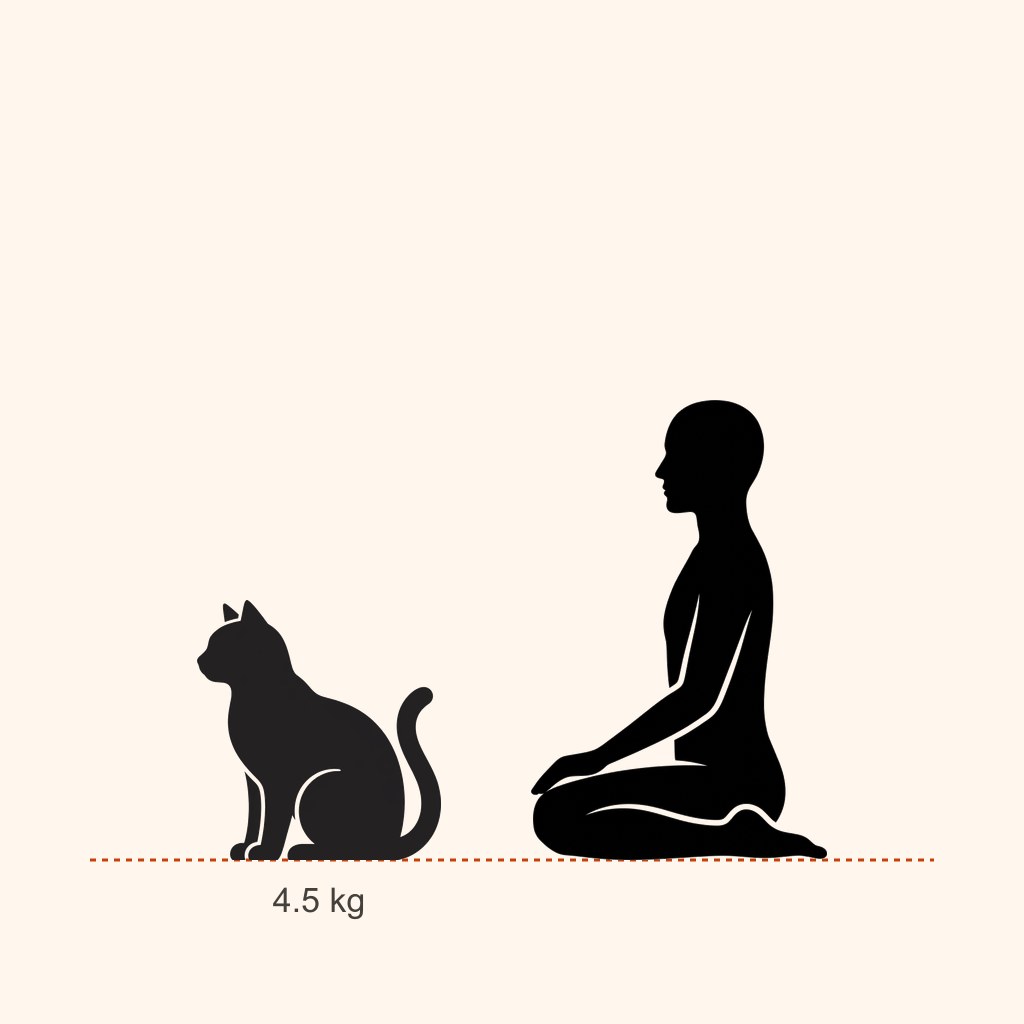
Exotic Shorthair Owner's Guide
Last updated:
Is an Exotic Shorthair right for you?
The Exotic Shorthair is described as the "short-haired Persian" and was created for exactly that purpose: the face and temperament of the Persian without the obligation of daily brushing. A calm, docile, lap-loving breed. But it has inherited the health problems that come from the Persian's facial structure.
| Situation | Suitability | Note |
|---|---|---|
| Apartment | Perfect | Moves little; an indoor cat |
| Family with young children | Excellent | Docile and patient |
| First-time cat owner | Excellent | Far easier to groom than the Persian |
| Alone 8+ hours a day | Good | Calm and independent |
| Household with fur allergies | Poor | A short but very dense coat; sheds regularly |
| Hot climate | Poor | A short muzzle; struggles in heat |
| Low veterinary budget | Moderate to poor | Eye and respiratory problems are a recurring expense |
This breed is the right answer for people who love the Persian but cannot take on the daily brushing discipline. However, the problems caused by the facial structure continue unchanged.
Before you adopt
When buying a kitten, ask for the PKD (polycystic kidney disease) genetic test and cardiac screening results. Also avoid individuals with extremely flat noses; longer-muzzled types are markedly healthier.
Exotic Shorthairs appear in breed rescues; adopting an adult means the breathing and eye situation can be assessed in advance.
Temperament
The Exotic Shorthair is calm, docile, and affectionate. It carries the Persian's temperament but is a little more playful and curious thanks to the American Shorthair contribution.
It enjoys the lap and wants to be close to people. It follows you and sits beside you.
Its voice is soft and rarely used. It signals its needs by waiting rather than insisting, which means signs of illness can be noticed late.
Its urge to climb to high places is low; it generally lives at floor level.
It is tolerant of children and other animals and avoids conflict.
Its energy level is low but it is a little more playful than the Persian.
Health issues and lifespan
Average lifespan is 12 to 15 years.
- Brachycephalic syndrome: The flattened muzzle narrows the airway. Noisy breathing, mouth breathing, difficulty in heat, low exercise tolerance. Surgery may be needed in extremely flat individuals.
- Eye discharge and blocked tear ducts: The facial structure blocks tear drainage. Constant watering, brown staining below the eyes, skin irritation. Daily wiping is essential.
- Polycystic kidney disease (PKD): The most common inherited disease coming from the Persian line. Cysts form in the kidneys and progress to failure over time. A genetic test exists.
- Hypertrophic cardiomyopathy (HCM): The most common heart disease in cats; periodic checks are recommended.
- Dental misalignment: The short jaw leaves the teeth irregularly arranged, accelerating tartar and gum disease.
- Heat stroke: Cooling capacity is low because of the short muzzle; a cool environment and plenty of water are essential in summer.
- Skin fold dermatitis: The fold over the nose becomes inflamed if it stays damp.
- Whelping difficulty: Birth problems occur in this breed because of the wide head.
Feeding
An adult Exotic Shorthair (3-6 kg) needs the energy equivalent of 50-75 g of dry food per day. Portion control matters because of low activity.
- Kitten (2-12 months): Kitten food, three to four measured meals a day.
- Adult: High protein, low carbohydrate. Kibble shape matters: because of the flat face it may struggle to pick up normal round kibble; almond or pyramid-shaped kibble made for Persians and Exotics makes a difference.
- Senior (9+ years): Because of the PKD risk, kidney values should be checked annually.
Water intake is critical: in a breed predisposed to kidney disease, good hydration is protective. Use wet food, a fountain-type bowl, and multiple water points.
The area around the mouth should be wiped after meals.
Grooming and coat
A short but very dense, plush coat. Far easier than the Persian, but not maintenance-free.
- Brush two to three times a week; daily during seasonal changes. Because the undercoat is dense, unbrushed hair is swallowed and causes hairballs.
- The eyes must be wiped daily. With damp cotton wool, removing discharge before it dries. This is the breed's most important daily grooming task.
- The fold over the nose must not stay damp and should be dried daily.
- Bathing is generally unnecessary; every six to eight weeks if needed.
- Nails every two to three weeks.
- Teeth several times a week; dental problems are common in the short jaw.
- Monthly ear checks.
Living space and enrichment
- A low-level layout. The urge to climb is low; wide, soft resting areas rather than a tall cat tree.
- Coolness. A cool room, ceramic flooring, shade in summer. For a short-muzzled breed this is a health matter.
- A wide litter tray. One tray per cat plus one.
- Play twice a day. Ten to fifteen minutes with toys dragged along the floor. Inactivity leads to obesity.
- Food puzzles. For both movement and weight control.
- Indoors. This breed must live strictly indoors; its tolerance for heat and effort is low.
History
The Exotic Shorthair is the product of an unplanned experiment. In the 1950s American breeders crossed the American Shorthair with the Persian in order to improve the former's coat texture and eye colour. The resulting kittens were different from what was expected: the round face of the Persian combined with a short coat.
The type was so admired that a dispute arose over its breaking the American Shorthair standard, and it was eventually decided to define it as a separate breed. The CFA recognised it in 1966 under the name "Exotic Shorthair".
American Shorthair, Burmese, and Russian Blue contributions are known in the breed's development. The short-hair gene is recessive, so some kittens from two Exotics are born long-haired. These individuals are registered as Persians in some federations and as "Exotic Longhair" in others.
Today the Exotic Shorthair is one of the world's most popular choices for those who love the Persian's appearance but do not want the daily brushing burden. In popular culture it is widely accepted that the comic-strip character Garfield was inspired by this breed.
This guide is for information only and is not a substitute for veterinary advice. Prices are approximate and vary by region and time.
Adoption Prep Checklist
Housing
-
Cat bed
Cats want a safe space of their own to rest.
-
Cat scratching post
Satisfies the natural scratching instinct and protects furniture.
Feeding
-
Dry/wet cat food
Quality cat food is needed for balanced nutrition.
-
Food and water bowl set
Needed for daily feeding and water access.
Grooming
-
Cat litter and litter box
Essential for the cat's toilet needs.
-
Short-hair cat brush
Regular brushing reduces hairball formation.
Activity
-
Cat toy
Cats release energy through play.
-
Cat carrier
Needed for safe transport to vet visits.
Frequently Asked Questions
Does the Exotic Shorthair shed?
Shedding is low. Brushing once a week is usually enough, with a mild increase during seasonal changes.
Can the Exotic Shorthair live in an apartment?
Yes. It lives comfortably in an apartment as long as its daily needs are met. What matters is not floor area but consistent exercise and mental stimulation.
Is the Exotic Shorthair good with children?
Generally yes. It adapts well to families with children. Even so, interactions should be supervised and children taught to respect the animal’s boundaries.
Is the Exotic Shorthair suitable for first-time cat owners?
Yes. Its care and training are relatively forgiving, which makes it a sound choice for first-time owners.
How much exercise does the Exotic Shorthair need?
It needs a moderate amount of exercise. Daily activity plus some play time makes for a balanced routine.
Can the Exotic Shorthair be left alone during the day?
It tolerates being alone well. That makes it workable for someone employed full time, though it will still expect attention and activity on your return.
How long does the Exotic Shorthair live?
The Exotic Shorthair lives 12 - 15 years on average. Diet, regular veterinary check-ups and early screening for hereditary conditions all affect this directly.
Where does the Exotic Shorthair come from?
The Exotic Shorthair originates from United States. The geography a breed was developed in, and the job it was bred for, explain much of its temperament and care needs today.