

Arabian Mau
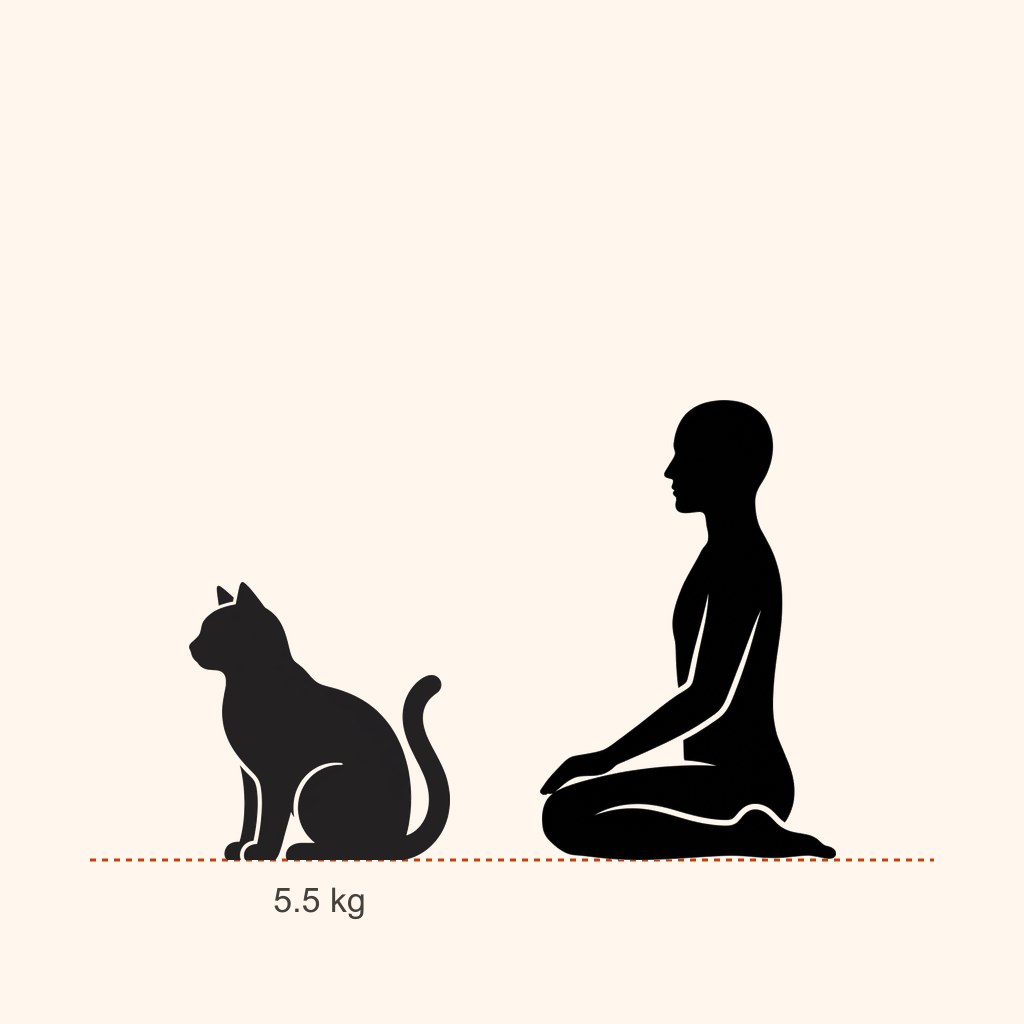
The image on this page is AI-generated and does not depict a real animal.
- Species
- Cat
- Origin
- United Arab Emirates
- Size
- Large
- Lifespan
- 12 - 14 years
- Temperament
- Affectionate Agile Curious Independent Playful Loyal
- Description
Social, energetic, intelligent and adaptable; enjoys play and interaction.
- Physical Traits
Short, straight coat in various colors, a long-legged athletic body typical of a desert cat.
- Care / Environment Info
Lives indoors. Sheds very little. Very easy to care for, infrequent brushing needed. Quite energetic and playful. Very quiet. Generally a very healthy breed.
Arabian Mau Owner's Guide
Last updated:
Is an Arabian Mau right for you?
The Arabian Mau has been shaped by natural selection in the deserts of the Arabian Peninsula for over a thousand years, without human intervention. The result: an exceptionally hardy, independent, energetic cat that isn't shy about making noise. Not a calm lap cat, but a self-sufficient survivor.
| Situation | Suitability | Note |
|---|---|---|
| Apartment | Moderate | Needs plenty of enrichment for its high energy |
| Family with young children | Good | Playful and loyal, but wants its independence respected |
| First-time cat owner | Moderate | Healthy and easy, but managing its energy takes some experience |
| Alone 8+ hours a day | Moderate to poor | Independent, but bores without mental stimulation |
| Household with fur allergies | Good | Short coat, almost no undercoat, sheds little |
| Home that needs quiet | Not suitable | Not shy about vocalizing its feelings |
| Hot climate | Perfect | Desert-origin build is naturally heat-tolerant |
The question to ask before choosing this breed: can you offer daily play and exploration space to an energetic, curious cat that makes its own decisions? If yes, the Arabian Mau will be a sturdy, low-maintenance companion.
Before you adopt
This breed is still rare and largely uncommon outside the Middle East; finding a breeder in Turkey can be difficult. Because it has a short history of selective breeding, there is no well-known list of hereditary diseases — this isn't a health guarantee so much as a sign the breed hasn't been extensively studied yet. When choosing a kitten, make sure basic health checks (eyes, heart auscultation) have been done.
Temperament
The Arabian Mau is energetic, curious, and independent. It bonds with its family but isn't the type to sit in a lap constantly; it makes its own decisions and loves to explore. Males are often observed to be somewhat calmer and more affectionate than females.
It doesn't hesitate to communicate vocally; it clearly signals its needs, its desire for attention, or its displeasure. It's intelligent with a strong prey drive, responding well to interactive toys and hunting-style play.
Its tendency toward nighttime activity is thought to be a remnant of its desert ancestors avoiding daytime heat and moving at night. It can sometimes be competitive with other cats, and unmet play needs can turn into boredom-driven behavior problems.
Health issues and lifespan
Sources generally report a lifespan of 12-16 years, with some noting well-cared-for individuals living longer. The breed's most notable trait is a broad, naturally diverse gene pool shaped by natural selection: the hereditary disease burden seen in heavily line-bred modern breeds has not been reported in this one.
- No known hereditary disease: Sources report no well-documented common genetic disease in this breed. This may also reflect how few controlled health studies it has been the subject of; still, don't skip general feline health screening (annual exams, dental checks).
- Cold sensitivity: Its undercoat is nearly absent, an advantage in heat but a source of vulnerability to chill on cold winter nights. In Turkey's colder regions, make sure it has a way to stay warm in winter.
- Obesity: Despite its energetic look, without enough play and exploration space it can gain weight, especially after spaying/neutering; portion control matters.
- General dental and gum care: As with other shorthaired breeds, regular brushing is recommended.
Feeding
An adult Arabian Mau (3.5-6 kg) needs the energy equivalent of about 55-75 g of dry food per day; given its energetic build, protein content should stay high.
- Kitten (2-12 months): Kitten food, three to four meals a day.
- Adult: High protein, varied meat-based food. It can be a hearty eater; watch for overfeeding.
- Senior (8+ years): If activity drops, calories should be reduced accordingly; joint support can help.
Given its active, curious nature, food puzzles both provide mental stimulation and slow down fast eating.
Grooming and coat
One of the easiest breeds to groom.
- Short, undercoat-free coat; weekly brushing is enough.
- Quite capable of self-grooming, and sheds little.
- Bathing is rarely needed.
- Trim nails every two to three weeks, brush teeth several times a week.
- Check its large ears regularly and clean gently if debris builds up.
Living space and enrichment
- Plenty of mental stimulation. Hunting-style toys, wand toys, food puzzles; boredom in this breed can turn into behavior problems.
- Vertical and exploration space. A cat tree, shelves, safe observation points; its curious nature wants room to roam.
- Active play twice a day. Fifteen to twenty minutes, with toys that satisfy its hunting drive.
- A way to stay warm. Because the undercoat is sparse, provide a warm bed or blanket in winter.
- Safe outdoor access, if possible. This is a breed originally accustomed to outdoor living; controlled outdoor access — an enclosed balcony or a secure fence — increases its satisfaction.
History
The Arabian Mau is a natural cat population that has existed on the Arabian Peninsula — including Saudi Arabia, Kuwait, Qatar, Oman, Bahrain, and the United Arab Emirates — for over a thousand years, with distant ancestry tracing to the African wildcat. It was shaped more by the desert climate's natural selection than by deliberate human breeding: its lack of undercoat and its large ears are natural adaptations that ease heat loss.
The World Cat Federation (WCF) officially recognized the breed in Germany in August 2008 and allowed it to compete in shows from January 2009. The Emirates Feline Federation also added it to its own registry. TICA recognized it as a natural breed in 2016.
It remains a rare breed outside the Arabian Peninsula; conservation and promotion efforts are carried out largely through regional breed associations.
This guide is for information only and is not a substitute for veterinary advice. Prices are approximate and vary by region and time.
Adoption Prep Checklist
Housing
-
Cat bed
Cats want a safe space of their own to rest.
-
Cat climbing tree
Satisfies the natural scratching instinct and protects furniture.
Feeding
-
Dry/wet cat food
Quality cat food is needed for balanced nutrition.
-
Food and water bowl set
Needed for daily feeding and water access.
Grooming
-
Cat litter and litter box
Essential for the cat's toilet needs.
-
Short-hair cat brush
Regular brushing reduces hairball formation.
Activity
-
Interactive cat toy
Cats release energy through play.
-
Cat carrier
Needed for safe transport to vet visits.
Frequently Asked Questions
Does the Arabian Mau shed?
Shedding is low. Brushing once a week is usually enough, with a mild increase during seasonal changes.
Can the Arabian Mau live in an apartment?
Yes. It lives comfortably in an apartment as long as its daily needs are met. What matters is not floor area but consistent exercise and mental stimulation.
Is the Arabian Mau good with children?
Generally yes. It adapts well to families with children. Even so, interactions should be supervised and children taught to respect the animal’s boundaries.
Is the Arabian Mau suitable for first-time cat owners?
Yes. Its care and training are relatively forgiving, which makes it a sound choice for first-time owners.
How much exercise does the Arabian Mau need?
It is high-energy and needs vigorous daily activity. Mental stimulation matters as much as physical exercise; without enough to do, destructive behaviour follows.
Can the Arabian Mau be left alone during the day?
It tolerates being alone well. That makes it workable for someone employed full time, though it will still expect attention and activity on your return.
How long does the Arabian Mau live?
The Arabian Mau lives 12 - 14 years on average. Diet, regular veterinary check-ups and early screening for hereditary conditions all affect this directly.
Where does the Arabian Mau come from?
The Arabian Mau originates from United Arab Emirates. The geography a breed was developed in, and the job it was bred for, explain much of its temperament and care needs today.