

Yorkshire Terrier
The image on this page is AI-generated and does not depict a real animal.
- Species
- Dog
- Origin
- England
- Size
- Very Small
- Lifespan
- 12-15 years
- Temperament
- Brave loving curious can be touchy
- Description
Brave despite its small body, a very popular breed as a lap dog.
- Physical Traits
Long, straight, silky steel-blue-tan coat, a very small delicate body build.
- Care / Environment Info
Very suitable for apartment living. Its human-hair-like coat sheds little but requires daily brushing and regular clipping. Low-to-moderate exercise needs. May have a sensitive digestive system, dental health monitoring is important.
Yorkshire Terrier Owner's Guide
Last updated:
Is a Yorkshire Terrier right for you?
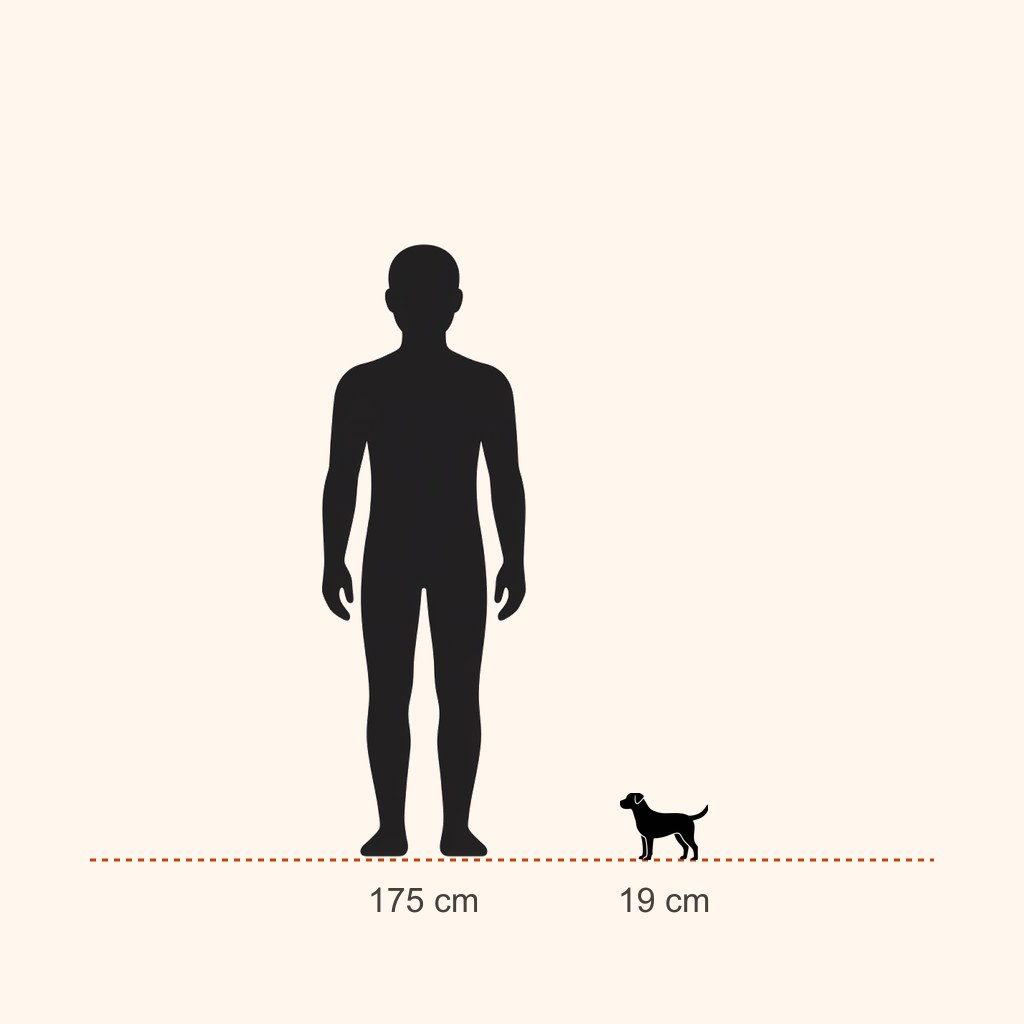
The Yorkshire Terrier packs a genuine terrier character into a 2-3 kg body. It looks like a lap dog but its character is that of a rat hunter: bold, curious, and assertive.
| Situation | Suitability | Note |
|---|---|---|
| Apartment | Perfect | A very small space is enough |
| Family with young children | Caution | Fragile; the risk of falls and crushing is serious |
| First-time dog owner | Moderate | House training and barking control can be challenging |
| Alone 8+ hours a day | Poor | Attached to its owner; barks when alone |
| Household with fur allergies | One of the best options | Hair like human hair rather than fur; sheds very little |
| Home without a grooming budget | Poor | The long coat needs daily care or regular clipping |
| Home needing quiet | Poor | A vocal breed; behaves like an alarm dog |
The breed's biggest advantage is how little it sheds. Its biggest disadvantage is how quickly the lack of training applied to small dogs turns into a behaviour problem here.
Before you adopt
Avoid unusually small individuals sold as "teacup Yorkies". This is not a breed variety; they are short-lived animals prone to hypoglycaemia, fractures, and organ problems.
Ask the breeder for patella evaluation, eye examination, and information about liver shunt and tracheal collapse in the line.
Meet the mother and check that the puppy has stayed with her for at least eight weeks.
Yorkshire Terriers appear in breed rescues; adopting an adult means the coat care needs and temperament are already visible.
Temperament
The Yorkshire Terrier is bold, curious, and self-confident. Its terrier background is plain in its character: assertive, persistent, and driven to hunt.
It bonds very strongly with its owner and usually picks one favourite person. It is wary and vocal with strangers and announces every sound at the door or in the lift.
It will challenge dogs larger than itself. This behaviour is dangerous rather than endearing and the owner must prevent it.
It is intelligent and enjoys learning but is stubborn. It is considered difficult to house-train; a small bladder and reluctance to go out in cold or rain make it harder.
It is energetic. Despite its size it wants play and movement.
Health issues and lifespan
Average lifespan is 12 to 15 years.
- Tracheal collapse: Collapse of the windpipe; a dry, goose-honk cough and breathing difficulty that worsens with excitement. Common in this breed. A neck collar should not be used; a harness should be considered mandatory.
- Patellar luxation: The classic sign is holding one hind leg up for a few steps and then carrying on.
- Dental disease: The breed's most common chronic problem. Crowded teeth in a small jaw, rapid tartar, early tooth loss. Baby teeth frequently fail to fall out and must be extracted.
- Portosystemic shunt (liver shunt): The bloodstream bypassing the liver. Poor growth, lethargy and unsteadiness after meals, behavioural change. More common in this breed than in others; surgical treatment is possible.
- Hypoglycaemia: Especially in puppies; trembling, weakness, altered consciousness. Prevented by frequent regular meals.
- Legg-Calvé-Perthes disease: Disruption of the blood supply to the femoral head; lameness at a young age.
- Progressive retinal atrophy (PRA): A genetic test exists.
Feeding
An adult Yorkshire Terrier (2-3.2 kg) eats 50-90 g of small-kibble dry food per day. The margin for error at this size is very narrow.
- Puppy (2-10 months): Small-breed puppy food, three to four meals a day. Meals must not be skipped because of the hypoglycaemia risk.
- Adult: Very small kibble, two meals a day. Kibble size matters for this jaw.
- Senior (9+ years): Softened food if teeth are missing.
This breed can be a fussy eater. Feeding from the table starts both fussiness and obesity.
Grooming and coat
The Yorkie's coat is structured like human hair rather than fur; it grows continuously and sheds very little.
There are two options:
- Long coat (show trim): daily brushing is required. It is laborious and impractical for most homes.
- Short clip (puppy cut): grooming every six to eight weeks; brushing two or three times a week is then enough. This is what most owners choose and it is more comfortable for the dog.
Shared care:
- Bathe every three to four weeks; the coat is long, so it is washed often.
- The hair around the eyes should be trimmed or tied up so it does not irritate them.
- Hair in the ear canal should be checked.
- Teeth must be brushed at least three times a week. This is the most critical care item in this breed.
- Nails every three to four weeks.
- Clothing in winter is a genuine need; there is no undercoat and body mass is low.
Training and exercise
Daily requirement: 30 to 45 minutes. Two short walks and indoor play.
Priorities:
- Harness habit. Not negotiable, for tracheal health.
- Barking control. A "quiet" cue should be taught early; picking the dog up when it barks rewards the behaviour.
- Socialisation (8-16 weeks). Put the dog down and introduce it to other dogs. The grumpy reputation of small dogs comes from a lack of socialisation.
- House training. Patience is needed in this breed; frequent opportunities, a consistent spot, and a reward for every success. It may refuse to go out in bad weather, so an indoor alternative can be considered.
- Tolerating grooming. Brushing, the grooming table, and tooth brushing must be taught as a game in puppyhood.
- Getting off the lap. It must learn to experience the world on its own feet.
History
The Yorkshire Terrier was born in the industrial regions of 19th-century England. Textile workers migrating from Scotland to northern England brought small terriers with them; these dogs were used to hunt rats in mills and mines.
Breeds now extinct, such as the Waterside Terrier, the Clydesdale Terrier, and the Paisley Terrier, are cited as its ancestors. It is accepted that all Yorkies today descend from a male named "Huddersfield Ben", born in 1865.
At the end of the 19th century the breed moved from working dog to Victorian parlour dog; its size was reduced and the silky coat emphasised. The Kennel Club recognised it in 1886.
In the Second World War a Yorkshire Terrier named Smoky pulled a cable through a narrow pipe at an airfield in the Pacific theatre, turning an engineering job of days into one of minutes, and became one of the best-known dog stories of the war.
This guide is for information only and is not a substitute for veterinary advice. Prices are approximate and vary by region and time.
Adoption Prep Checklist
Housing
-
Small-breed dog bed
A comfortable bed supports joint health.
Feeding
-
Small-breed dog food
Food matched to breed size gives the right nutritional balance.
-
Food and water bowl set
Needed for daily feeding and water access.
Grooming
-
Short-hair dog brush
Regular brushing reduces shedding and matting.
-
Dog nail clippers
Regular nail care matters for healthy walking.
-
Dog shampoo
Use a dog-specific shampoo for skin and coat health.
Walking & Activity
-
Dog leash and collar set
Needed for safe walks.
-
Plush dog toy
Mental and physical stimulation reduces behavior problems.
Frequently Asked Questions
Does the Yorkshire Terrier shed?
Shedding is low. Brushing once a week is usually enough, with a mild increase during seasonal changes.
Can the Yorkshire Terrier live in an apartment?
Yes. It lives comfortably in an apartment as long as its daily needs are met. What matters is not floor area but consistent exercise and mental stimulation.
Is the Yorkshire Terrier good with children?
Caution is warranted. With proper socialisation and adult supervision it can live with children, but it is not a first choice for homes with young children.
Is the Yorkshire Terrier suitable for first-time dog owners?
Partly. Someone with basic experience will manage well, but it would not be the first choice for a complete beginner.
How much exercise does the Yorkshire Terrier need?
Its energy level is low. Short, regular activity is enough; strenuous exercise is not required.
Can the Yorkshire Terrier be left alone during the day?
It can be left alone for a few hours. Long, routine absences can bring on boredom-driven behaviour problems; enrichment and a predictable routine reduce that risk.
How long does the Yorkshire Terrier live?
The Yorkshire Terrier lives 12-15 years on average. Diet, regular veterinary check-ups and early screening for hereditary conditions all affect this directly.
Where does the Yorkshire Terrier come from?
The Yorkshire Terrier originates from England. The geography a breed was developed in, and the job it was bred for, explain much of its temperament and care needs today.