

Samoyed
The image on this page is AI-generated and does not depict a real animal.
- Species
- Dog
- Origin
- Siberia (Russia)
- Size
- Large
- Lifespan
- 12-14 years
- Temperament
- Friendly lively affectionate alert
- Description
Known for its characteristic 'Samoyed smile', a friendly sled dog with a snow-white coat.
- Physical Traits
Thick, fluffy, pure white double coat, a curled tail, an upturned mouth corners giving a smiling look.
- Care / Environment Info
A house with a garden in a cool climate is preferred. Its double coat sheds very heavily once or twice a year, requiring frequent brushing. High exercise needs.
Samoyed Owner's Guide
Last updated:
Is a Samoyed right for you?
The Samoyed is known for its white coat and the "Samoyed smile" created by the upturned line of its mouth. A sociable, cheerful sled dog that is very attached to people. Photographs drive the purchase, and then the amount of hair and the energy level surprise owners.
| Situation | Suitability | Note |
|---|---|---|
| Apartment | Poor | Difficult because of energy and coat; two hours of exercise daily is essential |
| Family with young children | Excellent | Patient and affectionate; the breed's greatest strength |
| First-time dog owner | Moderate | Easy temperament but grooming and energy management are hard |
| Alone 8+ hours a day | Very poor | A pack dog; howls and digs when left alone |
| Household with fur allergies | Very poor | Among the heaviest-shedding breeds known |
| Hot climate | Poor | An arctic breed; struggles badly in summer |
| Garden with a solid fence | Excellent | The fence base must be closed because it digs |
The most underestimated aspect of the Samoyed is shedding. Twice a year it drops its entire coat, and during that period the house is quite literally covered in white hair.
Before you adopt
Ask the breeder for hip certification, an eye examination, and hereditary nephropathy genetic test results. Hereditary nephropathy is specific to this breed and must always be asked about.
Also ask about diabetes and hypothyroidism in the line.
Samoyeds appear in breed rescues, often surrendered because of the grooming workload or the noise. Adopting an adult means the coat care demands are already visible.
Temperament
The Samoyed is sociable, cheerful, and devoted to people. It is a breed that lived in Siberia sleeping in the same tent as its family; that history explains why it does not like being separated from them.
It is friendly toward strangers, so do not expect guarding. It gets on well with other dogs.
It is vocal. It barks, howls, and "talks". This breed is not quiet, and that can be a problem in apartment life.
It digs. This is natural behaviour; setting aside a digging area in the garden is the solution.
It is intelligent but independent; because of its sled-dog background it evaluates a cue rather than obeying blindly.
It has a prey drive, so care is needed with cats and small animals.
Health issues and lifespan
Average lifespan is 12 to 14 years.
- Hereditary nephropathy (SHN): An X-linked inherited kidney disease specific to this breed. In affected males it progresses to kidney failure at a young age. A genetic test exists and must always be asked for.
- Hip dysplasia: Parental certification should be requested.
- Progressive retinal atrophy (PRA): Slowly progressing blindness; a genetic test exists.
- Diabetes: Reported more often in this breed than in others. Excessive drinking, frequent urination, and weight loss are the signs.
- Hypothyroidism: Weight gain, lethargy, coat problems.
- Subaortic stenosis (SAS): Congenital cardiac narrowing; the heart should be auscultated at the puppy examination.
- Heat stroke: The most realistic risk in a hot climate. In summer, exercise should move to early morning and late evening.
Feeding
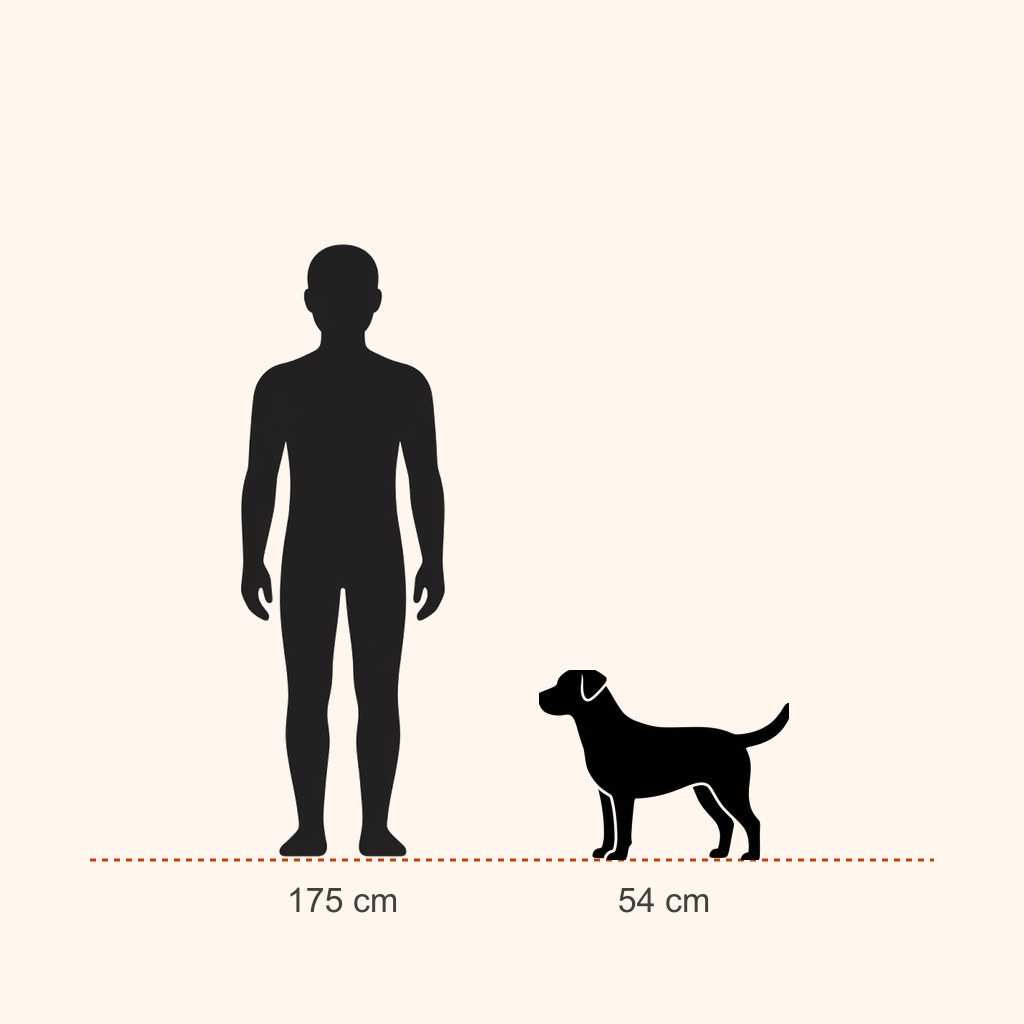
An adult Samoyed (16-30 kg) consumes 350-450 g of quality dry food per day. Arctic breeds use fuel efficiently and eat little for their size.
- Puppy (2-15 months): Medium or large breed puppy food, three meals a day.
- Adult: 24-28% protein with moderate to high fat. Coat quality is directly linked to food quality; omega-3 content matters.
- Senior (8+ years): Calories reduced; kidney values should be monitored annually.
This breed may appear to have no appetite and that is usually normal. Leave the bowl down for 15 minutes and remove it if untouched; constantly changing food creates fussy eating.
Grooming and coat
This is the breed's most demanding aspect. The dense double coat is shed completely twice a year.
- Brush two to three times a week; daily during shedding season. An undercoat rake is essential.
- Matting starts behind the ears, in the armpits, on the ruff, and on the rear legs.
- Bathe every 8 to 12 weeks; complete drying is essential. A damp undercoat causes fungal infection. Professional washing and drying is what most owners choose.
- Never shave. The coat also insulates in summer and protects from the sun; if clipped, the dog overheats more and the coat may not regrow properly.
- Nails every three to four weeks, teeth several times a week.
- The hair between the paw pads can be trimmed to prevent slipping.
Samoyed hair does not smell and is soft enough to be spun into yarn; some owners knit with the hair they collect.
Training and exercise
Daily requirement: at least 1.5 to 2 hours of active exercise. Walking is not enough; running, pulling, agility, or sled and scooter sport are suitable. A Samoyed that is not tired out digs, howls, and chews.
Priorities:
- Socialisation (8-16 weeks).
- Recall. An independent breed; do not trust it in unfenced areas.
- Managing howling and barking. It cannot be eliminated; preventing boredom is the most effective approach.
- Pulling. Pulling is genetic; set up two separate systems, one where pulling in harness is allowed and one where pulling on the walking lead is not.
- Tolerating grooming. Brushing and drying should be introduced in puppyhood; it is a lifelong routine.
- Mental work. Scent games, food puzzles.
Work with rewards; harsh methods produce stubbornness in this breed.
History
The Samoyed was developed by the Nenets people (formerly called Samoyeds) of northern Siberia. Its role was multi-purpose: herding reindeer, pulling sleds, helping in the hunt, and keeping people warm in the tent at night.
That last duty explains the breed's temperament. The Samoyed lived in the same shelter as people and grew up alongside children; aggression is not part of its character, and this is what sets it apart among arctic breeds.
At the end of the 19th century British explorers brought the breed to Europe. It was used on polar expeditions; Samoyeds took part in the expeditions of Fridtjof Nansen and Roald Amundsen. Queen Alexandra became a supporter of the breed and helped spread it in England.
Most Samoyeds today descend from the limited number of dogs brought out of Siberia at that time. The breed takes its name from that of the people; the name "Bjelkier" (white dog) is also used.
This guide is for information only and is not a substitute for veterinary advice. Prices are approximate and vary by region and time.
Adoption Prep Checklist
Housing
-
Large-breed dog bed
A comfortable bed supports joint health.
Feeding
-
Large-breed dog food
Food matched to breed size gives the right nutritional balance.
-
Food and water bowl set
Needed for daily feeding and water access.
Grooming
-
De-shedding brush
Regular brushing reduces shedding and matting.
-
Dog nail clippers
Regular nail care matters for healthy walking.
-
Dog shampoo
Use a dog-specific shampoo for skin and coat health.
Walking & Activity
-
Running/exercise dog harness
Needed for safe walks.
-
Interactive dog puzzle toy
Mental and physical stimulation reduces behavior problems.
Frequently Asked Questions
Does the Samoyed shed?
It sheds heavily, especially at seasonal changes. Expect near-daily brushing and regular cleaning at home; it is not a good choice for anyone sensitive to pet hair.
Can the Samoyed live in an apartment?
Possible but not ideal. A house with outdoor space is preferable; in an apartment you will need to increase daily exercise substantially.
Is the Samoyed good with children?
Generally yes. It adapts well to families with children. Even so, interactions should be supervised and children taught to respect the animal’s boundaries.
Is the Samoyed suitable for first-time dog owners?
Partly. Someone with basic experience will manage well, but it would not be the first choice for a complete beginner.
How much exercise does the Samoyed need?
It is high-energy and needs vigorous daily activity. Mental stimulation matters as much as physical exercise; without enough to do, destructive behaviour follows.
Can the Samoyed be left alone during the day?
It can be left alone for a few hours. Long, routine absences can bring on boredom-driven behaviour problems; enrichment and a predictable routine reduce that risk.
How long does the Samoyed live?
The Samoyed lives 12-14 years on average. Diet, regular veterinary check-ups and early screening for hereditary conditions all affect this directly.
Where does the Samoyed come from?
The Samoyed originates from Siberia (Russia). The geography a breed was developed in, and the job it was bred for, explain much of its temperament and care needs today.