

Italian Greyhound
The image on this page is AI-generated and does not depict a real animal.
- Species
- Dog
- Origin
- Italy
- Size
- Small
- Lifespan
- 14-16 years
- Temperament
- Affectionate alert playful sensitive
- Description
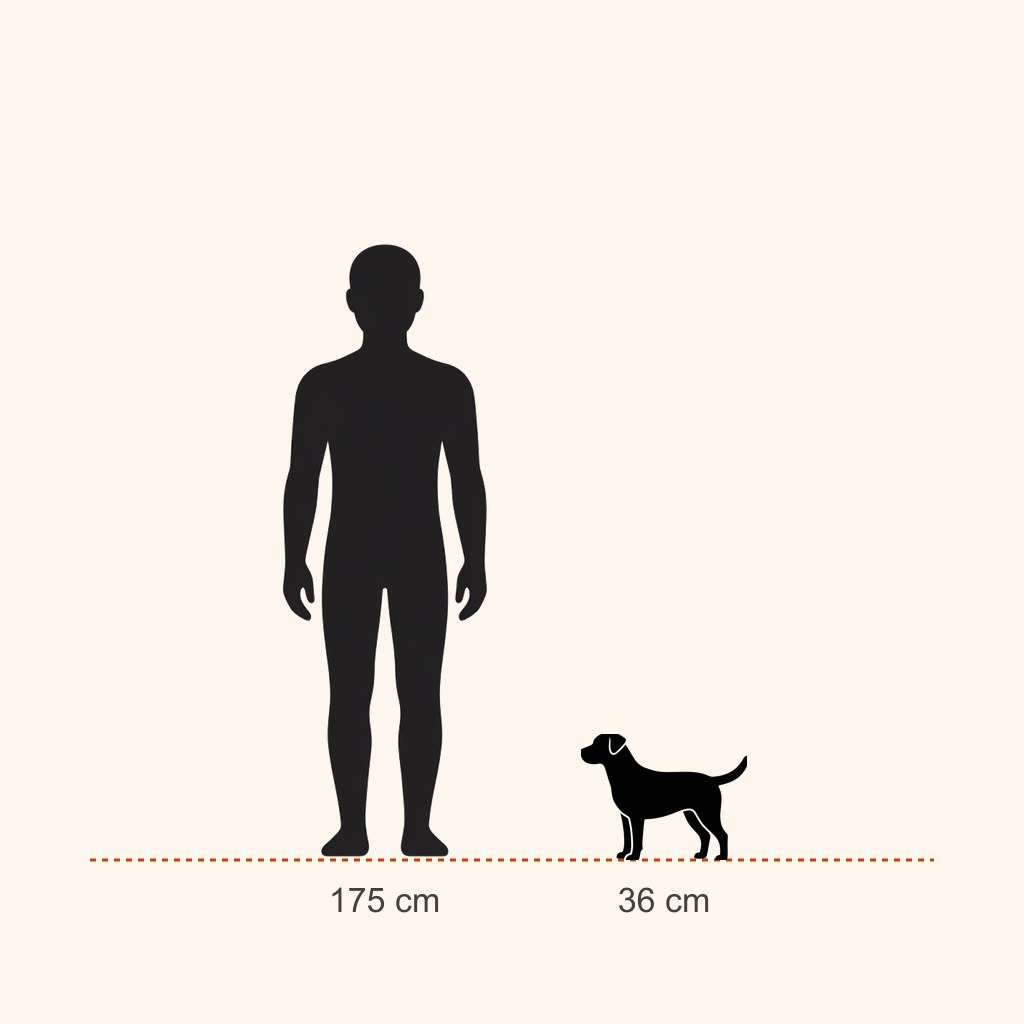
A miniaturized version of the large sighthounds; a lap dog known for its elegant, delicate build.
- Physical Traits
Very short fine coat, various colors, a very slender long-legged delicate body.
- Care / Environment Info
Very suitable for apartment living. Its very short coat barely sheds. Moderate exercise needs. Very sensitive to cold and, due to its fine bone structure, carries a fracture risk during rough play; should be handled carefully.
Italian Greyhound Owner's Guide
Last updated:
Is an Italian Greyhound right for you?
The Italian Greyhound is a true sighthound in a toy package. The lapdog look is misleading: this dog wants to chase, run, and climb onto high places. It is also one of the most fragile breeds you will read about here, and a broken leg is a classic veterinary case in this breed.
| Situation | Suitability | Note |
|---|---|---|
| Apartment | Excellent | Small, quiet, and calm indoors; the breed's most natural setting |
| Family with young children | Poor | High risk of being dropped or stepped on; serious danger for a 3-7 kg dog |
| First-time dog owner | Moderate | Easy to care for, but housetraining and fracture risk challenge a beginner |
| Household with a cat | Moderate | Usually adapts; risky with small rodents and birds |
| Home with a garden | Good | The fence must be closed at the base; this dog slips through small gaps |
| Alone 8+ hours a day | Poor | Prone to separation anxiety and extremely attached to its people |
| Cold, wet climate | Poor | A coat is essential; may simply refuse to go out to toilet in cold weather |
| Household with fur allergies | Moderate | Sheds very little, but allergens are still in skin and saliva |
Two realities to accept before choosing this breed: the home has to be arranged around fracture risk (high furniture, slippery floors, stairs), and housetraining takes patience. If you can accept both, what you get in return is an exceptionally affectionate, quiet, and clean companion.
Before you adopt
When you look at a puppy, watch the legs and the movement; limping, bowing, or obvious sensitivity is a direct question for the breeder. Ask for results on patellar luxation and Legg-Calvé-Perthes disease in the line, and for eye examinations including genetic testing for PRA.
Do not take a puppy before eight weeks, and look at how the litter is being raised: a puppy already used to launching itself off high surfaces will keep doing exactly that in your home.
Adult Italian Greyhounds do appear in rescue. Taking on an adult means you can see temperament and health as they are, which is a real advantage in this breed.
Temperament
The Italian Greyhound is affectionate, lively, and glued to its person. Burrowing under a blanket, settling on a lap, and sleeping beside its owner is the daily routine. It is quiet indoors and will announce the doorbell, but it is not a guard dog.
It is highly sensitive. Shouting, scolding, and rough handling create fear quickly, and this dog remembers a frightening situation for a long time. Only calm, reward-based training works.
Outdoors the sighthound appears: a strong urge to chase anything that moves and, for its size, real speed. Off-lead freedom only makes sense in a securely enclosed area.
It dislikes being alone. Barking, howling, indoor accidents, or chewing at doors when left may be separation anxiety rather than boredom; the answer is gradual practice with short absences, and behavioural help if it does not improve.
Health issues and lifespan
Sources generally give a lifespan of 14-15 years, and well-cared-for individuals often exceed it. The breed's problems are largely tied to its small, delicate skeleton.
- Leg fractures: The most common emergency in this breed. Between roughly four and twelve months the forearm bones are especially thin, and a jump from an arm, a sofa, or a bed can break them. Sudden limping, refusing to put a foot down, swelling, and objecting to being touched are the signs; go to a vet the same day. During puppyhood, block access to high furniture, put rugs on slippery floors, and gate the stairs.
- Dental disease: The breed's chronic problem. A small jaw, crowded teeth, and rapid tartar build-up lead to early gum disease and tooth loss. Bad breath, difficulty eating, and bleeding gums are the signs. Daily brushing is not optional in this breed.
- Patellar luxation: A skip of a step or two, holding a hind leg up and then carrying on. Depending on grade, it means monitoring or surgery.
- Legg-Calvé-Perthes disease: Loss of blood supply to the head of the femur in young dogs, typically around five to eight months, showing as progressive hind-leg lameness and muscle wasting.
- Progressive retinal atrophy (PRA): An inherited eye disease causing gradual loss of sight. Bumping into things in dim light can be the first sign; carriers can be identified by DNA test.
- Hypothyroidism and autoimmune disease: Weight gain, lethargy, and coat or skin problems suggest thyroid disease; immune-mediated conditions are also reported in the breed.
- Anaesthetic and cold sensitivity: Recovery from anaesthesia can be prolonged in sighthounds, and with almost no body fat these dogs lose body heat quickly during procedures. Tell your vet your dog is a sighthound.
Feeding
An adult Italian Greyhound usually weighs 3-7 kg and does well on roughly 70-150 g of dry food a day. The amount depends on the calorie density of the food and on activity; the correct condition is ribs easily felt and a clear waist.
- Puppy: Small-breed puppy food, three to four small meals a day. A complete, balanced food with appropriate calcium and phosphorus is essential; do not add calcium supplements on your own, as excess harms development.
- Adult: Two meals a day. This breed can become fussy, and feeding treats and human food makes fussiness worse.
- Senior: Dental problems may make eating hard; soften the kibble or move to wet food if needed.
In very small individuals, long gaps without food can lower blood sugar, so do not stretch the intervals between meals.
Grooming and coat
A very short, single, fine coat that feels almost like bare skin.
- A weekly wipe with a damp cloth or a soft mitt is enough; shedding is minimal.
- Bathe rarely; the skin is dry and sensitive.
- Dental care is the centre of grooming in this breed: daily brushing plus professional cleaning on your vet's schedule.
- Trim nails every two weeks; long nails spoil the stance on these fine legs.
- Use a coat in winter and a waterproof layer in rain. Do not leave the dog outside for long periods.
- Provide a soft, low bed and arrange the home so the dog never has to jump down from height.
- Check the skin regularly; it is thin and prone to scrapes and cuts.
Training and exercise
Daily needs: two short-to-moderate walks plus play indoors, with free running in a safe enclosed space a few times a week. This dog does not need a marathon, but an Italian Greyhound that never moves becomes restless and overweight.
Priorities:
- A fracture-prevention setup. Ramps or steps at the sofa and bed, rugs on slippery floors, a gate on the stairs. Never let the dog leap from your arms; set it down low.
- Housetraining. The breed's known difficulty. Many refuse to go out in cold or rain. Frequent scheduled trips, instant reward for every success, and an accepted indoor alternative make it manageable. Punishment backfires completely.
- Early socialisation (8-16 weeks). In a sensitive breed this decides how confident the adult will be. Keep introductions short, calm, and positive.
- Learning to be alone. Start with seconds and build up; keep departures and returns undramatic.
- Lead safety. Because of the narrow head and neck, use a martingale collar or a well-fitted harness.
This is a clever, willing breed; short sessions with rewards and a playful format work best. High-impact sports with jumps and hard landings are not suitable for this skeleton.
History
The Italian Greyhound is an ancient type. Small sighthound-type dogs are documented in the Mediterranean world more than two thousand years ago through archaeological finds and art. The modern name comes from the breed's popularity among noble families in Renaissance Italy, where these little hounds appear beside their owners in the paintings of the period.
Functionally the dog was used both to chase small game and as a companion, and over time the companion role took over entirely.
Attempts to make the breed even smaller in the late 19th century weakened its structure, and numbers in Europe fell sharply after the Second World War, with the breed rebuilt largely from British and American lines. The Italian Greyhound of today is best understood not as a decorative toy but as a sighthound in miniature, and it is worth choosing one with that in mind.
This guide is for information only and is not a substitute for veterinary advice. Prices are approximate and vary by region and time.
Adoption Prep Checklist
Housing
-
Small-breed dog bed
A comfortable bed supports joint health.
Feeding
-
Small-breed dog food
Food matched to breed size gives the right nutritional balance.
-
Food and water bowl set
Needed for daily feeding and water access.
Grooming
-
Short-hair dog brush
Regular brushing reduces shedding and matting.
-
Dog nail clippers
Regular nail care matters for healthy walking.
-
Dog shampoo
Use a dog-specific shampoo for skin and coat health.
Walking & Activity
-
Dog leash and collar set
Needed for safe walks.
-
Plush dog toy
Mental and physical stimulation reduces behavior problems.
Frequently Asked Questions
Does the Italian Greyhound shed?
Shedding is low. Brushing once a week is usually enough, with a mild increase during seasonal changes.
Can the Italian Greyhound live in an apartment?
Yes. It lives comfortably in an apartment as long as its daily needs are met. What matters is not floor area but consistent exercise and mental stimulation.
Is the Italian Greyhound good with children?
Caution is warranted. With proper socialisation and adult supervision it can live with children, but it is not a first choice for homes with young children.
Is the Italian Greyhound suitable for first-time dog owners?
Partly. Someone with basic experience will manage well, but it would not be the first choice for a complete beginner.
How much exercise does the Italian Greyhound need?
It needs a moderate amount of exercise. Daily activity plus some play time makes for a balanced routine.
Can the Italian Greyhound be left alone during the day?
It is not suited to long periods alone. It is prone to separation anxiety; a household where someone is usually home, or where a companion animal is present, fits it much better.
How long does the Italian Greyhound live?
The Italian Greyhound lives 14-16 years on average. Diet, regular veterinary check-ups and early screening for hereditary conditions all affect this directly.
Where does the Italian Greyhound come from?
The Italian Greyhound originates from Italy. The geography a breed was developed in, and the job it was bred for, explain much of its temperament and care needs today.