

Havanese
The image on this page is AI-generated and does not depict a real animal.
- Species
- Dog
- Origin
- Cuba
- Size
- Small
- Lifespan
- 14-16 years
- Temperament
- Affectionate playful friendly intelligent
- Description
Known for its affectionate and adaptable temperament, a lap dog that gets along very well with families.
- Physical Traits
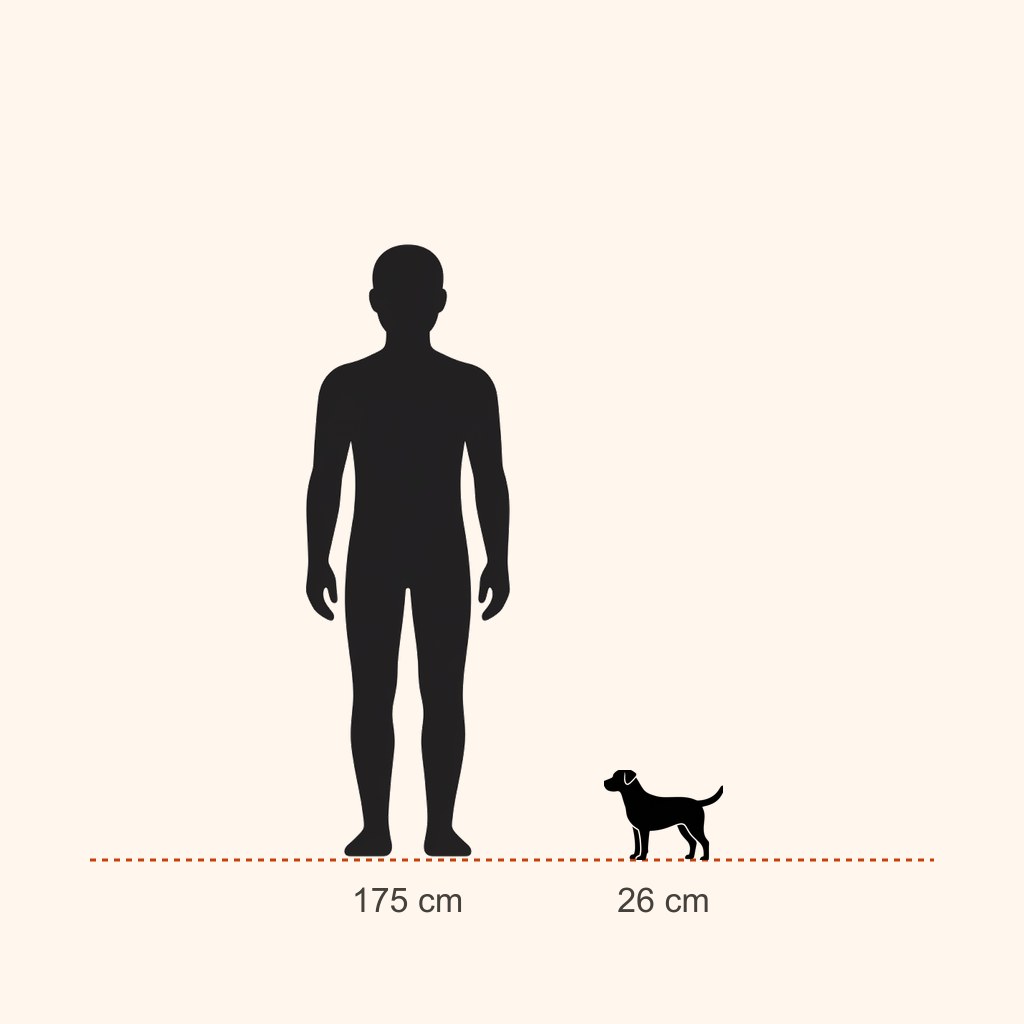
Long, silky, slightly wavy coat (various colors), a small compact body.
- Care / Environment Info
Very suitable for apartment living. Its long coat sheds little (considered hypoallergenic) but requires regular brushing. Moderate exercise needs.
Havanese Owner's Guide
Last updated:
Is a Havanese right for you?
The Havanese is Cuba's only native dog breed: a small, silky-coated, cheerful companion that follows its person like a shadow. It is easy to train, adaptable, and very well suited to city life. Two things should be clear before you adopt: the coat demands a serious routine, and this dog genuinely does not like being left alone.
| Situation | Suitability | Note |
|---|---|---|
| Apartment | Excellent | Small, adaptable, and settles easily into city life |
| Family with young children | Good | Playful and patient; a 3-6 kg dog still needs supervision |
| First-time dog owner | Excellent | Willing to learn and gentle; the real workload is coat care |
| Household with a cat | Good | Usually gets on well; low prey drive |
| Alone 8+ hours a day | Poor | One of the breeds most prone to separation anxiety |
| Home with someone around most of the day | Excellent | The arrangement this breed does best in |
| Home without time for grooming | Poor | A long coat means daily combing, a short one means regular grooming appointments |
| Household with fur allergies | Moderate | Sheds little, but allergens are in skin and saliva; it is not allergen-free |
The Havanese really is an easy breed, with one condition: it wants to be with you. A household where nobody is home for long stretches is not the right fit.
Before you adopt
Ask the breeder about these screenings: eye examination (regular eye certification is recommended, particularly for cataracts), patellar evaluation, and hip evaluation. The breed club also recommends evaluating breeding stock for chondrodysplasia, a skeletal development disorder; if you see bowed legs, disproportionate shortness, or abnormal movement in a puppy, ask about it directly.
Liver shunt is reported in the breed and usually shows itself before six months. Poor growth, dullness after meals, unsteady walking, or seizure-like episodes in a puppy call for veterinary assessment.
Check whether the puppy is used to a comb, a brush, and having its paws handled. The grooming routine in this breed lasts a lifetime.
Settle the alone-time question before you buy. If you have no realistic plan for a puppy coming home to an empty house all day, such as a dog walker, daycare, or help from a neighbour, choose a different breed.
Temperament
The Havanese is affectionate, playful, and sociable. Human attention is its fuel; it relocates to whichever room you are in, comes into the kitchen, and waits outside the bathroom door.
It is intelligent and very willing to learn. Reward-based training produces fast results and it loves learning tricks. It is sensitive, and a sharp tone or scolding flattens its motivation.
It is generally friendly but can be a little reserved with strangers; early socialisation balances that. It barks at the doorbell and at sounds from outside, and unmanaged barking becomes a problem in a flat.
It is prone to separation anxiety. Persistent barking and howling when alone, damage to doors and belongings, restlessness, and indoor accidents can be more than boredom. The approach is graduated practice: absences that start at seconds, undramatic departures and returns, rewarding calm, and an enriched environment. If it does not improve, involve your vet and a behaviourist; where medication is appropriate it sits alongside training, not instead of it.
Health issues and lifespan
Sources generally give a lifespan of 14-16 years. The Havanese is considered a relatively healthy breed, and most of its problems are the ones expected in small dogs.
- Patellar luxation: A skipping gait, carrying a hind leg for a step or two. Depending on grade, it means monitoring or surgery.
- Legg-Calvé-Perthes disease: Loss of blood supply to the head of the femur in young dogs, with progressive hind-leg lameness and muscle wasting.
- Chondrodysplasia: A disorder of skeletal development that can cause disproportionately short and bowed legs. The breed club recommends evaluating breeding stock for it. There is no cure in affected dogs; quality of life is maintained with weight control, low-impact exercise, and pain management.
- Eye problems: Cataracts (loss of transparency of the lens) and progressive retinal atrophy are reported, as is prolapse of the third eyelid gland, seen as a red fleshy swelling in the corner of the eye.
- Liver shunt: Blood bypassing the liver so that toxins accumulate. Usually seen young, with poor growth, dullness after meals, unsteady walking, and seizures. Early diagnosis matters.
- Hip dysplasia: It occurs in small breeds too, showing as difficulty in the hindquarters and reluctance to use stairs or jump.
- Dental disease: A small jaw and crowded teeth lead to early tartar, gum disease, and tooth loss. Daily brushing should be routine in this breed.
A note specific to small breeds: because the Havanese is long-lived, its senior years last a long time. An annual check-up, moving to every six months after the age of seven, is the most practical way to catch heart, dental, and eye problems early.
Feeding
An adult Havanese usually weighs 7-13 pounds and does well on roughly 70-140 g of good-quality dry food a day. The amount depends on the calorie density of the food and on activity; the right condition is ribs that can be felt easily.
- Puppy: Small-breed puppy food, three to four small meals a day. In very small individuals, long gaps without food can lower blood sugar.
- Adult: Two meals a day. Treats should be a small share of daily calories; this is a breed people feed from the table far too easily.
- Senior: Fewer calories, and soften the food if dental health makes eating hard.
In long-coated dogs the hair around the mouth gets soiled with food; wiping after each meal prevents both odour and skin irritation.
Grooming and coat
A silky, long, double coat. The grooming decision should be made at the outset: long coat or a short puppy clip?
- Long coat: Daily combing is essential. The comb must reach the skin; behind the ears, the armpits, the inner thighs, and under the tail mat first. A matted coat has to be clipped off.
- Short clip: Less daily work, but a professional appointment every six to eight weeks.
- Corded coat: A traditional presentation of the breed; it requires specific know-how and is not recommended for new owners.
- Bathing: Roughly monthly, with thorough rinsing and complete drying. A damp undercoat leads to skin problems.
- Around the eyes: Daily cleaning and regular trimming so hair does not irritate the eye.
- Ears: Weekly checks; drop ears plus hair make infections more likely.
- Nails: Every three weeks. Teeth: Brush daily.
In summer a short clip helps with heat but exposes the skin to sun; with a very closely clipped dog, keep to shade and avoid the middle of the day.
Training and exercise
Daily needs: around 30 minutes of walking and play plus short training sessions. The Havanese does not need a big garden or long runs; what it wants is time spent with you.
Priorities:
- Learning to be alone. The number one item in this breed. Short absences from puppyhood, rewarding calm, and no dramatic goodbyes.
- Housetraining. Small breeds need patience. Frequent scheduled trips, instant rewards, and quiet clean-up after accidents; no punishment.
- Managing barking. Teach an alternative behaviour for the doorbell and outside noises, such as going to a mat, and reward quiet.
- Getting used to grooming. A short daily brush and comb; make grooming visits a positive experience.
- Socialisation. Positive introductions to people, dogs, surfaces, and sounds; in a sensitive breed this decides the adult's confidence.
Trick training, scent games, puzzle feeders, and small-dog agility tire both mind and body nicely in this breed.
History
The Havanese is Cuba's only native dog breed and takes its name from the capital, Havana. Its origins lie in the small white "bichon" type dogs brought to the island by Spanish sailors and settlers; it comes from the same broad family as the Bichon Frise, the Maltese, and the Bolognese.
Island conditions shaped its own type over time: a light, silky coat suited to a tropical climate on a small, hardy frame. It became a popular parlour dog among well-off Cuban families and was also taken to Europe in the 19th century.
After the Cuban Revolution a small number of dogs left the country with emigrating families. A significant part of today's Havanese population traces back to lines from that small group, and the breed was rebuilt and popularised in the United States in the second half of the 20th century.
Today the Havanese is a companion breed known worldwide, while in Cuba it is regarded as the national dog and counted among the symbols of the island's culture.
This guide is for information only and is not a substitute for veterinary advice. Prices are approximate and vary by region and time.
Adoption Prep Checklist
Housing
-
Small-breed dog bed
A comfortable bed supports joint health.
Feeding
-
Small-breed dog food
Food matched to breed size gives the right nutritional balance.
-
Food and water bowl set
Needed for daily feeding and water access.
Grooming
-
Short-hair dog brush
Regular brushing reduces shedding and matting.
-
Dog nail clippers
Regular nail care matters for healthy walking.
-
Dog shampoo
Use a dog-specific shampoo for skin and coat health.
Walking & Activity
-
Dog leash and collar set
Needed for safe walks.
-
Plush dog toy
Mental and physical stimulation reduces behavior problems.
Training
-
Training treats / beginner training guide
Basic obedience training is recommended for first-time dog owners.
Frequently Asked Questions
Does the Havanese shed?
Shedding is low. Brushing once a week is usually enough, with a mild increase during seasonal changes.
Can the Havanese live in an apartment?
Yes. It lives comfortably in an apartment as long as its daily needs are met. What matters is not floor area but consistent exercise and mental stimulation.
Is the Havanese good with children?
Generally yes. It adapts well to families with children. Even so, interactions should be supervised and children taught to respect the animal’s boundaries.
Is the Havanese suitable for first-time dog owners?
Yes. Its care and training are relatively forgiving, which makes it a sound choice for first-time owners.
How much exercise does the Havanese need?
It needs a moderate amount of exercise. Daily activity plus some play time makes for a balanced routine.
Can the Havanese be left alone during the day?
It can be left alone for a few hours. Long, routine absences can bring on boredom-driven behaviour problems; enrichment and a predictable routine reduce that risk.
How long does the Havanese live?
The Havanese lives 14-16 years on average. Diet, regular veterinary check-ups and early screening for hereditary conditions all affect this directly.
Where does the Havanese come from?
The Havanese originates from Cuba. The geography a breed was developed in, and the job it was bred for, explain much of its temperament and care needs today.