

Collie
The image on this page is AI-generated and does not depict a real animal.
- Species
- Dog
- Origin
- Scotland
- Size
- Large
- Lifespan
- 12-14 years
- Temperament
- Intelligent loyal gentle protective
- Description
Bred for herding sheep, an intelligent breed extremely protective of its family.
- Physical Traits
Long lush coat (sable-white most common), a pointed long muzzle, an elegant athletic body.
- Care / Environment Info
A house with a garden is preferred. Its long coat sheds heavily, requiring regular brushing. Moderate-to-high exercise needs.
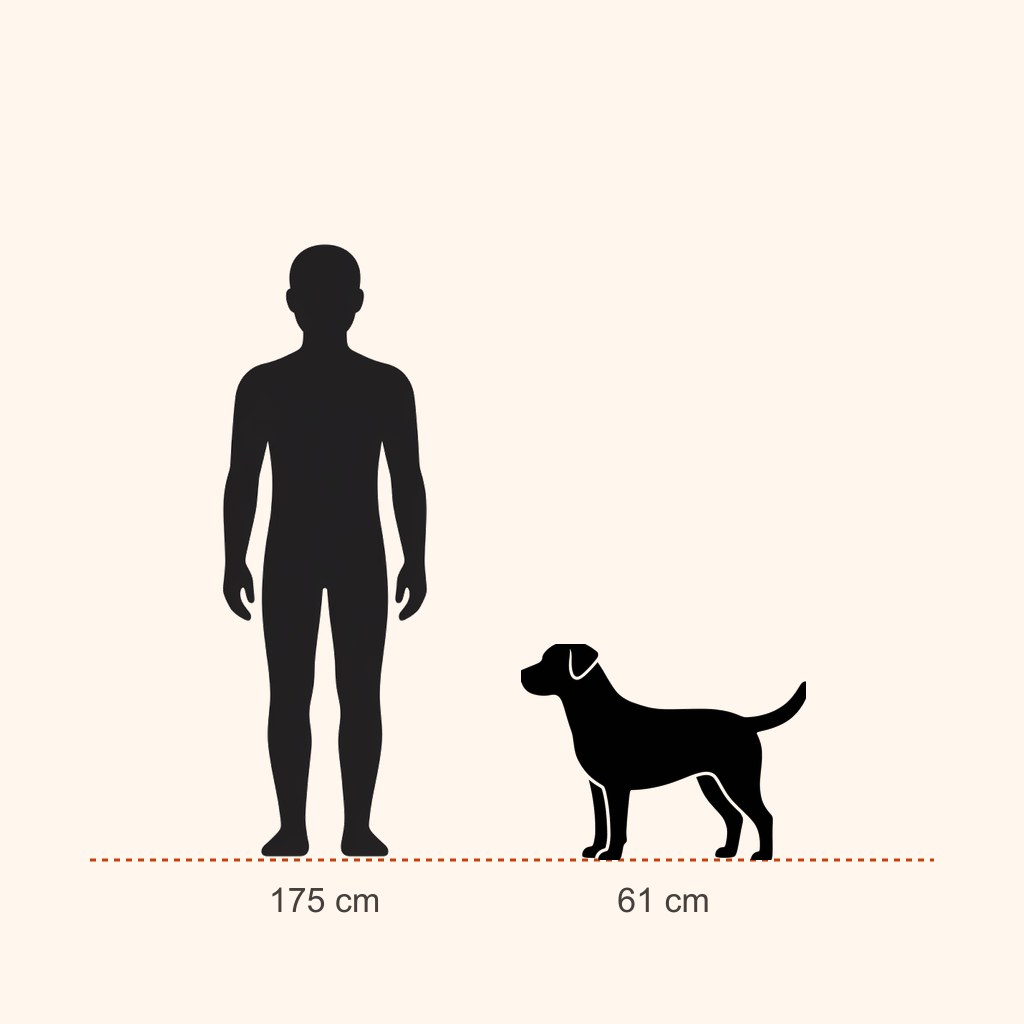
Collie Owner's Guide
Last updated:
Is a Collie right for you?
The Collie is the Scottish herding dog known for its flowing mane, elegant face and gentle nature. Thanks to "Lassie" it is instantly recognisable, and it really is devoted to its family and kind to children. But it is a herding dog: clever, in need of a job, vocal and a heavy shedder. It also carries a drug sensitivity every owner must know about.
| Situation | Suitability | Note |
|---|---|---|
| Apartment | Moderate | Possible with daily exercise and mental work; barking may bother neighbours |
| Family with young children | Good | Gentle and protective; may try to herd running children |
| First-time dog owner | Good | Eager and sensitive; grooming load must be understood |
| Alone 8+ hours a day | Poor | Barking and destruction when bored |
| Household with fur allergies | Poor | Double coat with heavy seasonal shedding |
| House with garden, active family | Excellent | Meets its need for activity and company |
| Home needing quiet | Poor | Alert barking is part of the breed |
Before you adopt
The breed has two coat varieties: the familiar Rough Collie and the less common Smooth Collie. Temperament is the same; grooming differs.
If buying from a breeder, ask for:
- MDR1 genetic test: Results for the parents and ideally the puppy (normal/normal, carrier, or mutant/mutant).
- Collie Eye Anomaly (CEA) screening: Puppies can be examined by a veterinary ophthalmologist at 6-8 weeks; a genetic test also exists.
- PRA genetic testing and parental eye exams.
Treat any Collie with unknown MDR1 status (including rescues) as if it carries the mutation, and tell your vet at the first visit.
Temperament
The Collie is affectionate, intelligent and deeply attached to its family. It is sensitive, reads your tone and responds poorly to harsh handling.
Its herding instinct is strong. It may circle running children, try to gather them and occasionally nudge at heels; redirect this early.
It is usually reserved with strangers but not aggressive, and it barks to announce anything unusual.
It dislikes long periods alone and inactivity; a bored Collie barks excessively and becomes destructive.
Health issues and lifespan
Sources generally give a lifespan of 10-14 years.
- MDR1 (multidrug sensitivity): An inherited mutation that disables the P-glycoprotein pump protecting the brain from certain drugs. PetMD reports about 70% of tested Collies are affected. In these dogs, high doses of ivermectin (such as mange treatment doses), loperamide (an anti-diarrhoeal), some sedatives (acepromazine, butorphanol) and some chemotherapy drugs can cause severe neurological toxicity: tremors, wobbliness, blindness, coma. Approved low heartworm-prevention doses are considered safe. Never give human anti-diarrhoea medicine, and never use livestock ivermectin products. Wobbliness, dilated pupils, drooling or dullness after a medication is an emergency.
- Collie Eye Anomaly (CEA): An inherited developmental disorder of the back of the eye. Many dogs keep normal vision; severe cases can have retinal detachment and blindness. See a veterinary ophthalmologist for bumping into things, abnormal pupils or sudden vision loss.
- Progressive retinal atrophy (PRA): Night vision fails first, then all vision.
- Dermatomyositis: Skin and muscle inflammation usually starting before 6 months; crusts and hair loss on the face, ear tips and tail. See your vet if a puppy develops such sores.
- Heatstroke: The thick coat heats up fast. Rapid panting, dark red tongue or staggering: move to shade, wet with cool (not ice-cold) water and go to the vet immediately.
Feeding
An adult Collie (23-34 kg) typically eats roughly 300-430 g of good-quality dry food a day depending on activity and the food's energy content.
- Puppy (2-15 months): Medium-to-large breed puppy food, 3-4 meals; avoid rapid weight gain.
- Adult: Two meals a day. As a general precaution for deep-chested dogs, avoid hard exercise right before and after meals.
- Senior (8+ years): Fewer calories, regular weight checks.
The thick coat hides weight gain; check the ribs with your hands.
Grooming and coat
The Rough Collie has a long, harsh outer coat over a dense, soft undercoat; the Smooth Collie has a short but still double coat.
- Rough Collies need brushing down to the skin at least 2-3 times a week. Behind the ears, elbows and hind-leg feathering mat easily.
- The undercoat blows twice a year; brush daily with an undercoat rake then.
- Do not shave. A double coat traps air between the undercoat and guard hairs, insulating against both cold and heat, while the guard hairs shield the skin from the sun. Shaving breaks this system, exposes the skin to sunburn and can cause patchy, sometimes permanently altered regrowth. For summer comfort, brush out the undercoat instead.
- Bathe every 1-2 months and dry thoroughly to the skin to avoid skin problems.
- Trim nails monthly and the hair between the pads.
Training and exercise
Daily need: at least an hour outdoors plus mental work. Walking alone won't tire this clever dog; it needs games that make it think.
Priorities:
- Socialisation (8-16 weeks): To prevent shyness in a sensitive, reserved breed.
- Redirecting herding: Teach play with balls and toys instead of chasing children.
- Bark control: Teach an "enough" or "quiet" cue early.
- Reward-based training: Collies work for praise and rewards, not pressure.
- Dog sports: Agility, obedience, rally and herding use its brain.
In hot weather, a heavily coated dog is prone to heatstroke; exercise in cool hours with shade and water.
History
The Collie descends from sheep-herding dogs of the Scottish and northern English uplands; the origin of the name is debated. In the 19th century Queen Victoria's interest in these dogs at her Scottish estate helped popularise them, and the Collie moved from shepherd's dog to show and family dog.
In the 20th century "Lassie" novels, films and TV series made the breed famous worldwide. Related breeds such as the Border Collie and Shetland Sheepdog are recognised separately, and some inherited problems like MDR1 and CEA also occur in them.
This guide is for information only and is not a substitute for veterinary advice. Prices are approximate and vary by region and time.
Adoption Prep Checklist
Housing
-
Large-breed dog bed
A comfortable bed supports joint health.
Feeding
-
Large-breed dog food
Food matched to breed size gives the right nutritional balance.
-
Food and water bowl set
Needed for daily feeding and water access.
Grooming
-
De-shedding brush
Regular brushing reduces shedding and matting.
-
Dog nail clippers
Regular nail care matters for healthy walking.
-
Dog shampoo
Use a dog-specific shampoo for skin and coat health.
Walking & Activity
-
Running/exercise dog harness
Needed for safe walks.
-
Interactive dog puzzle toy
Mental and physical stimulation reduces behavior problems.
Frequently Asked Questions
Does the Collie shed?
It sheds heavily, especially at seasonal changes. Expect near-daily brushing and regular cleaning at home; it is not a good choice for anyone sensitive to pet hair.
Can the Collie live in an apartment?
Possible but not ideal. A house with outdoor space is preferable; in an apartment you will need to increase daily exercise substantially.
Is the Collie good with children?
Generally yes. It adapts well to families with children. Even so, interactions should be supervised and children taught to respect the animal’s boundaries.
Is the Collie suitable for first-time dog owners?
Partly. Someone with basic experience will manage well, but it would not be the first choice for a complete beginner.
How much exercise does the Collie need?
It is high-energy and needs vigorous daily activity. Mental stimulation matters as much as physical exercise; without enough to do, destructive behaviour follows.
Can the Collie be left alone during the day?
It can be left alone for a few hours. Long, routine absences can bring on boredom-driven behaviour problems; enrichment and a predictable routine reduce that risk.
How long does the Collie live?
The Collie lives 12-14 years on average. Diet, regular veterinary check-ups and early screening for hereditary conditions all affect this directly.
Where does the Collie come from?
The Collie originates from Scotland. The geography a breed was developed in, and the job it was bred for, explain much of its temperament and care needs today.