

Chihuahua
The image on this page is AI-generated and does not depict a real animal.
- Species
- Dog
- Origin
- Mexico
- Size
- Very Small
- Lifespan
- 14-16 years
- Temperament
- Lively brave alert loyal
- Description
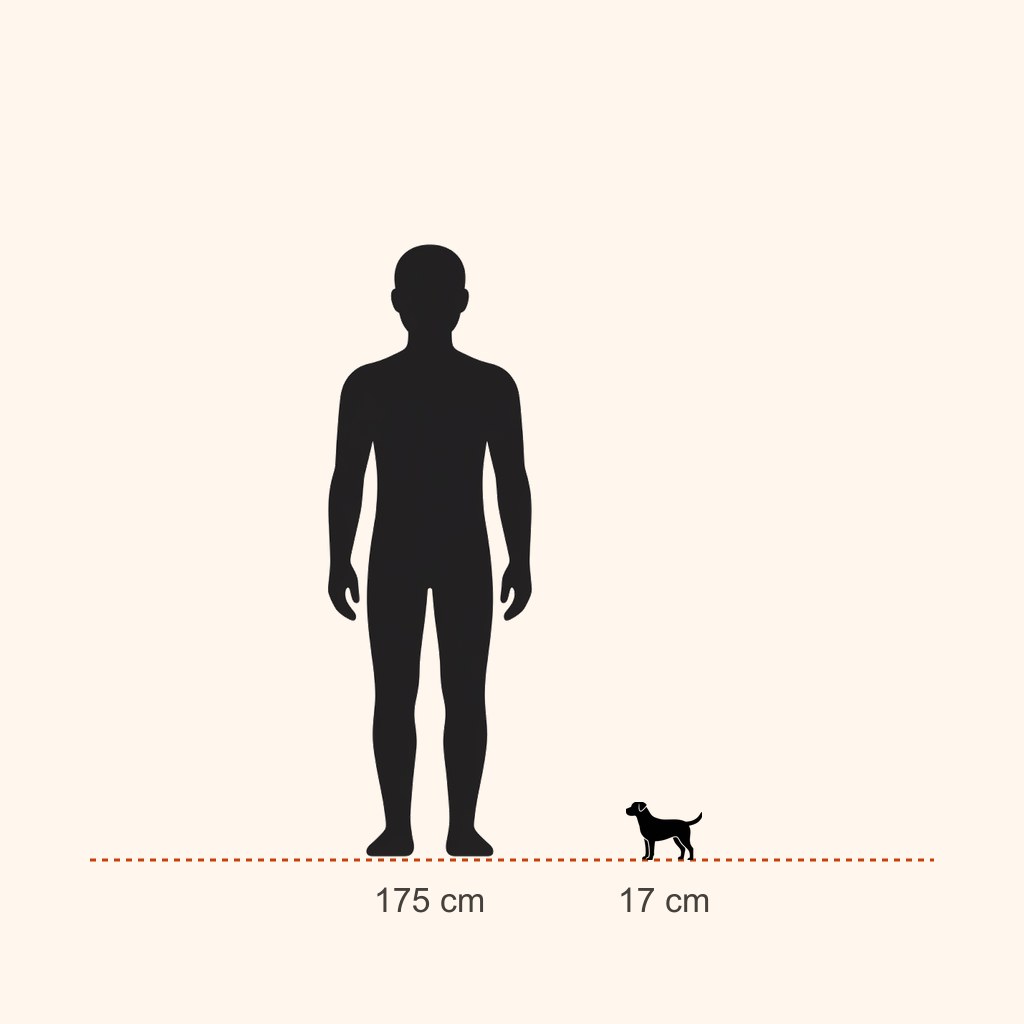
One of the smallest dog breeds in the world; despite its tiny build it has a brave character.
- Physical Traits
Short or long coat, various colors, a small apple-shaped head, large upright ears, a very small body.
- Care / Environment Info
Very suitable for apartment living. Sheds little-to-moderately depending on coat type (short/long), easy to maintain. Low exercise needs. Quite sensitive to cold, clothing/blankets are recommended in winter.
Chihuahua Owner's Guide
Last updated:
Is a Chihuahua right for you?
The smallest dog breed in the world at 1.5 to 3 kg. Long-lived, very well suited to apartments, deeply attached to its owner. The Chihuahua also has a poor reputation: bad-tempered, nippy, fearful. That reputation comes not from the breed but from the lack of training applied to small dogs.
| Situation | Suitability | Note |
|---|---|---|
| Apartment | Perfect | A small space is enough, exercise needs are low |
| Family with young children | Caution | Very fragile; the risk of falls and crushing is serious |
| First-time dog owner | Good | Easy to care for, but training must not be neglected |
| Alone 8+ hours a day | Poor | Bonds intensely to one person; separation anxiety is common |
| Household with fur allergies | Moderate | Low shedding in smooth coats, moderate in long coats |
| Cold climate | Poor | Feels the cold; winter clothing is a genuine need |
| Older or less active owner | Excellent | One of the least physically demanding breeds |
Avoid this trap when getting a Chihuahua: a dog that is always carried, never put down, and given no rules becomes fearful and defensive. Treat a small dog like a large one.
Before you adopt
Avoid unusually small individuals sold as "teacup Chihuahuas". This is not a breed variety; they are typically premature, weak, or deliberately dwarfed puppies that carry health problems for life.
Ask the breeder for patella evaluation, cardiac examination, and eye examination results for the parents. Also ask about hydrocephalus and open fontanelle in the line.
Chihuahuas and their mixes are among the most common small dogs in shelters worldwide. Adopting an adult means the temperament is already known, which is a real advantage in a breed where socialisation history matters so much.
Temperament
The Chihuahua is bold, alert, and determined. It will stand up to dogs far larger than itself; this behaviour is dangerous rather than charming, and the owner must prevent it.
It usually bonds very strongly to one person and can be possessive of them. It is wary of strangers; a well-socialised Chihuahua, however, will happily engage with visitors.
It is an alarm dog: it announces sounds at the door, in the lift, and outside the window. If barking is not managed through training, this is the biggest problem in apartment life.
There are two coat types, smooth and long. There is no difference in temperament, only in grooming.
Health issues and lifespan
Average lifespan is 14 to 16 years, among the longest of any dog breed.
- Patellar luxation: Very common in this breed. The classic sign is holding one hind leg up for a few steps and then carrying on. Mild cases are managed with weight and muscle control, advanced cases with surgery.
- Tracheal collapse: A dry, goose-honk cough and breathing difficulty that worsens with excitement. A neck collar should not be used in this breed; a harness is essential.
- Dental disease: The most common chronic problem. Teeth are crowded in a small jaw, tartar builds quickly, and teeth are lost early. Baby teeth sometimes fail to fall out and must be extracted.
- Hypoglycaemia: Especially in puppies and very small adults. Weakness, trembling, unsteadiness, altered consciousness. It is an emergency; rub sugar on the gums and go straight to a vet. It is prevented by frequent regular meals in puppyhood.
- Open fontanelle (molera): In some individuals the top of the skull does not fully close. It usually causes no problem but must be protected from impact.
- Hydrocephalus: Fluid accumulation in the skull. An excessively domed head, balance problems, and behavioural change are signs. This is a serious condition.
- Eye injuries: Corneal scratches are frequent because of the prominent eyes and proximity to the ground.
Feeding
An adult Chihuahua (1.5-3 kg) eats 40-70 g of small-kibble dry food per day. There is no margin for error in this breed; a handful of extra food turns into weight within a week.
- Puppy (2-10 months): Small-breed puppy food, three to four meals a day. Meals must not be skipped because of the hypoglycaemia risk, and the puppy should not go more than six hours without food.
- Adult: Small-kibble food, two meals a day. Kibble size matters; large kibble cannot be chewed by this jaw.
- Senior (9+ years): Moistened or wet food if teeth are missing.
Watch the treat quantity: for a 2 kg dog, a single biscuit can be equivalent to a meal.
Grooming and coat
Grooming is minimal in the smooth-coated Chihuahua and slightly more involved in the long-coated one.
- Smooth coat: a rubber mitt once a week.
- Long coat: brushing two or three times a week; check behind the ears and on the leg feathering for matting.
- Bathe every four to eight weeks, then dry thoroughly, as this breed chills easily.
- Teeth must be brushed at least three times a week. This is the single most important care item in this breed.
- Nails every three to four weeks; small breeds do not wear their nails down enough.
- A coat or jumper in winter is a genuine need, not decoration. Heat loss is rapid because body mass is low.
Training and exercise
Daily requirement: 20 to 30 minutes. Short walks and indoor play are enough. Strenuous exercise is unnecessary, but inactivity also leads to weight gain.
Priorities:
- Socialisation (8-16 weeks). Small dogs are most neglected at this step. Put the dog down, introduce it to other dogs, expose it to different people. The Chihuahua's grumpy reputation starts here.
- Barking control. A "quiet" cue and withholding attention when it barks.
- Harness habit. For tracheal health.
- Getting off the lap. It must learn to walk on the ground and experience the world on its own feet.
- House training. A small bladder means patience; frequent opportunities, a consistent spot, and a reward for every success.
The most common mistake with small dogs is allowing, because of size, behaviour that would never be accepted in a large dog. Growling, attempted biting, and lunging at guests are the same problem at 2 kg as at 40 kg.
History
The Chihuahua takes its name from the Mexican state of Chihuahua, where the breed attracted the attention of American travellers in the 19th century. Its origin is traced to pre-Columbian Mexico and to a small dog called the "Techichi", kept by the Toltec and later Aztec civilisations. The Techichi was a quiet companion used in religious ceremonies. After the Spanish conquest the breed survived in rural areas and was rediscovered in the 19th century. The AKC recognised it in 1904. Today it is accepted as the smallest breed in the world, and its visibility in popular culture has led both to wide recognition and to a great deal of thoughtless acquisition.
This guide is for information only and is not a substitute for veterinary advice. Prices are approximate and vary by region and time.
Adoption Prep Checklist
Housing
-
Small-breed dog bed
A comfortable bed supports joint health.
Feeding
-
Small-breed dog food
Food matched to breed size gives the right nutritional balance.
-
Food and water bowl set
Needed for daily feeding and water access.
Grooming
-
De-shedding brush
Regular brushing reduces shedding and matting.
-
Dog nail clippers
Regular nail care matters for healthy walking.
-
Dog shampoo
Use a dog-specific shampoo for skin and coat health.
Walking & Activity
-
Dog leash and collar set
Needed for safe walks.
-
Plush dog toy
Mental and physical stimulation reduces behavior problems.
Training
-
Training treats / beginner training guide
Basic obedience training is recommended for first-time dog owners.
Frequently Asked Questions
Does the Chihuahua shed?
It sheds a moderate amount. Brushing two or three times a week noticeably reduces both loose hair and matting.
Can the Chihuahua live in an apartment?
Yes. It lives comfortably in an apartment as long as its daily needs are met. What matters is not floor area but consistent exercise and mental stimulation.
Is the Chihuahua good with children?
Caution is warranted. With proper socialisation and adult supervision it can live with children, but it is not a first choice for homes with young children.
Is the Chihuahua suitable for first-time dog owners?
Yes. Its care and training are relatively forgiving, which makes it a sound choice for first-time owners.
How much exercise does the Chihuahua need?
Its energy level is low. Short, regular activity is enough; strenuous exercise is not required.
Can the Chihuahua be left alone during the day?
It is not suited to long periods alone. It is prone to separation anxiety; a household where someone is usually home, or where a companion animal is present, fits it much better.
How long does the Chihuahua live?
The Chihuahua lives 14-16 years on average. Diet, regular veterinary check-ups and early screening for hereditary conditions all affect this directly.
Where does the Chihuahua come from?
The Chihuahua originates from Mexico. The geography a breed was developed in, and the job it was bred for, explain much of its temperament and care needs today.