

Bedlington Terrier
The image on this page is AI-generated and does not depict a real animal.
- Species
- Dog
- Origin
- England
- Size
- Medium
- Lifespan
- 12-14 years
- Temperament
- Energetic brave affectionate
- Description
Known for its lamb-like coat shape, a terrier breed that is braver than its appearance suggests.
- Physical Traits
Woolly, curly lamb-like coat, a pear-shaped head, a slender-legged body.
- Care / Environment Info
Suitable for apartment living. Its woolly coat barely sheds but requires regular professional clipping. Moderate-to-high exercise needs.
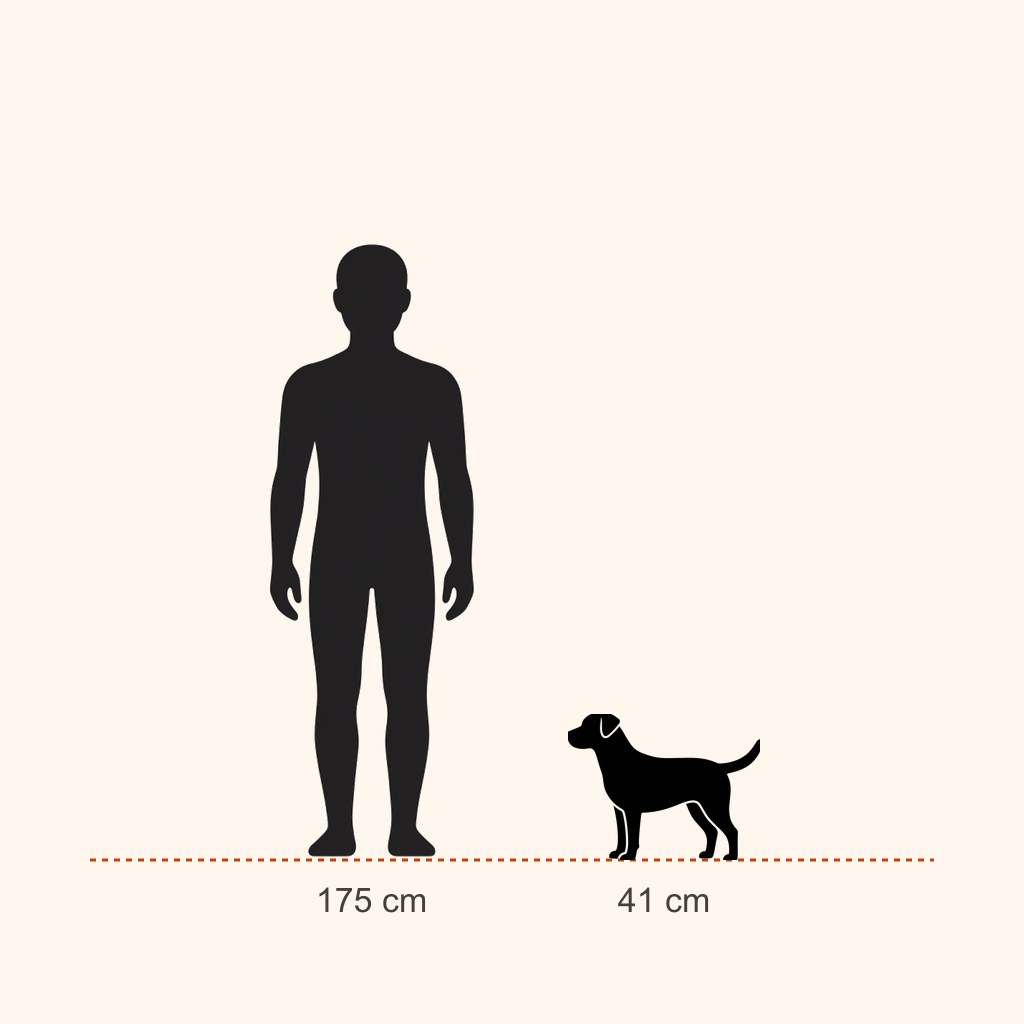
Bedlington Terrier Owner's Guide
Last updated:
Is a Bedlington Terrier right for you?
The Bedlington Terrier is a small-to-medium breed that looks like a lamb but has a full terrier spirit underneath. Originating from an English mining region, this dog hides an athletic, bold character with a strong prey drive behind its soft, curly coat.
| Situation | Suitability | Note |
|---|---|---|
| Apartment | Suitable | Medium-sized and adaptable; does well with daily exercise |
| Family with young children | Caution | Affectionate, but has a strong prey drive toward small animals |
| First-time dog owner | Moderate | Its affectionate temperament helps, but terrier stubbornness needs patience |
| Household with cats or small pets | Poor | High prey drive; careful, supervised introductions are needed |
| Household with fur allergies | Good | Curly, low-shedding coat, but requires regular professional grooming |
| Owner without a grooming budget | Not suitable | The characteristic "lamb" shape needs professional clipping every 6-8 weeks |
| House with a garden and secure fencing | Good | Loves to run and chase; a secure fence outdoors matters |
The most critical thing to know before getting a Bedlington is not its looks but its genetics: this breed carries a serious, inherited liver disease risk.
Before you adopt
Breeder choice is vital in this breed. Bedlington Terriers carry copper toxicosis, a serious inherited liver disease caused by a recessive mutation in the COMMD1 gene. Before getting a puppy, always ask for documentation showing both parents have been tested for this gene; do not buy from untested lines.
Meet the parents and ask about overall health history. This breed is not common in Turkey and mostly comes from imported lines or a small number of local breeders. It is rarely seen in shelters.
Temperament
The Bedlington Terrier is affectionate, playful, and devoted to its owner, with a generally softer overall temperament than many terriers. Even so, it is a terrier at its core: bold, determined, and stubborn when it wants to be.
Its prey drive is strong; it may chase small rodents and sometimes cats. It generally does well with animals it's introduced to at an early age, but this is not guaranteed.
It is energetic and capable of sudden bursts of speed; it has a characteristic bouncing gait sometimes called the "Bedlington bounce." It is intelligent and trainable, but terrier stubbornness shows up from time to time.
It can occasionally show poor tolerance toward other dogs, especially of the same sex; socialisation matters.
Health issues and lifespan
Average lifespan is 12 to 14 years. One health issue in this breed matters far more than the others and must be understood before adopting.
- Copper toxicosis: A breed-specific, autosomal recessive liver disease. The body cannot excrete excess copper, which accumulates in the liver; it typically shows signs around age 2-4 with lethargy, loss of appetite, vomiting, excessive thirst, and weight loss, progressing to jaundice and liver failure in advanced stages. A genetic test exists; puppies from two non-carrier parents are not at risk.
- Patellar luxation: The kneecap slips out of place; noticed as occasional limping or a skipping gait.
- Retinal dysplasia: An inherited eye condition reported in this breed; regular eye exams are recommended.
- Thrombopathia (bleeding disorder): An inherited condition specific to Bedlington Terriers affecting blood clotting; screening before surgery is recommended.
- Renal dysplasia: Another condition to monitor in this breed due to its limited gene pool.
Because copper toxicosis in this breed is directly tied to diet management, copper supplements should never be given to a diagnosed individual outside of veterinary guidance.
Feeding
An adult Bedlington Terrier (7.5-10 kg) eats 120-160 g of quality dry food per day.
- Puppy (2-12 months): Small-to-medium breed puppy food.
- Adult: 22-26% protein. In lines with known copper toxicosis risk, a low-copper diet may be recommended by a veterinarian.
- Senior (8+ years): Reduce calories.
Liver health in this breed is closely tied to diet; copper-rich additives or excessive copper-rich foods such as raw liver should be avoided.
Grooming and coat
The Bedlington's "lamb" look comes from its distinctive curly, linen-like coat texture.
- The coat sheds little but needs daily combing; without it, it mats easily.
- Professional clipping/scissoring every 6-8 weeks is needed to maintain the characteristic shape; many owners eventually learn to do this themselves.
- Bathe as needed, usually before clipping.
- Check ears weekly.
- Trim nails every 3-4 weeks.
- Its low-shedding coat is often considered more suitable for allergy sufferers, though no dog breed is fully allergen-free.
Training and exercise
Daily requirement: 45-60 minutes of walking and play. Despite its looks, the Bedlington is an active breed, and excess energy without regular exercise can turn into unwanted behaviour.
Priorities:
- Socialisation (8-16 weeks). Early, controlled introductions to other dogs and small animals matter.
- Recall. Because of its prey drive, letting it off-lead without a reliable recall is risky.
- Reward-based training. Terrier stubbornness is managed with consistency and positivity, not harsh methods.
- Secure fencing. Its chasing instinct in the garden means escape potential should be considered.
- Dog sports. Agility and tracking channel this breed's energy and intelligence positively.
History
The Bedlington Terrier takes its name from Bedlington, a mining town in northeast England. It is thought to have been bred by local miners in the early 19th century for both ratting and illegal poaching.
Otterhounds and various terrier types are believed to have contributed to the breed's development, which explains its combination of speed, stamina, and strong prey drive. Its lamb-like appearance became a fashionable feature over time and played an important role in promoting the breed.
The Bedlington Terrier was one of the first breeds registered in England in the mid-19th century. It remains a relatively rare breed today but continues to be loved both as a show dog and family companion — though because of its copper toxicosis risk, responsible breeding is especially important.
This guide is for information only and is not a substitute for veterinary advice. Prices are approximate and vary by region and time.
Adoption Prep Checklist
Housing
-
Medium-breed dog bed
A comfortable bed supports joint health.
Feeding
-
Medium-breed dog food
Food matched to breed size gives the right nutritional balance.
-
Food and water bowl set
Needed for daily feeding and water access.
Grooming
-
Short-hair dog brush
Regular brushing reduces shedding and matting.
-
Dog nail clippers
Regular nail care matters for healthy walking.
-
Dog shampoo
Use a dog-specific shampoo for skin and coat health.
Walking & Activity
-
Running/exercise dog harness
Needed for safe walks.
-
Interactive dog puzzle toy
Mental and physical stimulation reduces behavior problems.
Frequently Asked Questions
Does the Bedlington Terrier shed?
Shedding is low. Brushing once a week is usually enough, with a mild increase during seasonal changes.
Can the Bedlington Terrier live in an apartment?
Yes. It lives comfortably in an apartment as long as its daily needs are met. What matters is not floor area but consistent exercise and mental stimulation.
Is the Bedlington Terrier good with children?
Generally yes. It adapts well to families with children. Even so, interactions should be supervised and children taught to respect the animal’s boundaries.
Is the Bedlington Terrier suitable for first-time dog owners?
Partly. Someone with basic experience will manage well, but it would not be the first choice for a complete beginner.
How much exercise does the Bedlington Terrier need?
It is high-energy and needs vigorous daily activity. Mental stimulation matters as much as physical exercise; without enough to do, destructive behaviour follows.
Can the Bedlington Terrier be left alone during the day?
It can be left alone for a few hours. Long, routine absences can bring on boredom-driven behaviour problems; enrichment and a predictable routine reduce that risk.
How long does the Bedlington Terrier live?
The Bedlington Terrier lives 12-14 years on average. Diet, regular veterinary check-ups and early screening for hereditary conditions all affect this directly.
Where does the Bedlington Terrier come from?
The Bedlington Terrier originates from England. The geography a breed was developed in, and the job it was bred for, explain much of its temperament and care needs today.