

West Highland White Terrier
The image on this page is AI-generated and does not depict a real animal.
- Species
- Dog
- Origin
- Scotland
- Size
- Small
- Lifespan
- 12-15 years
- Temperament
- Friendly brave confident curious
- Description
Known for its pure white coat, a lively and confident small Scottish terrier.
- Physical Traits
Wiry pure white coat, small upright ears, a small compact body.
- Care / Environment Info
Suitable for apartment living. Its wiry coat requires regular clipping/hand-stripping. Moderate exercise needs. Some individuals may be prone to skin allergies.
West Highland White Terrier Owner's Guide
Last updated:
Is a West Highland White Terrier right for you?
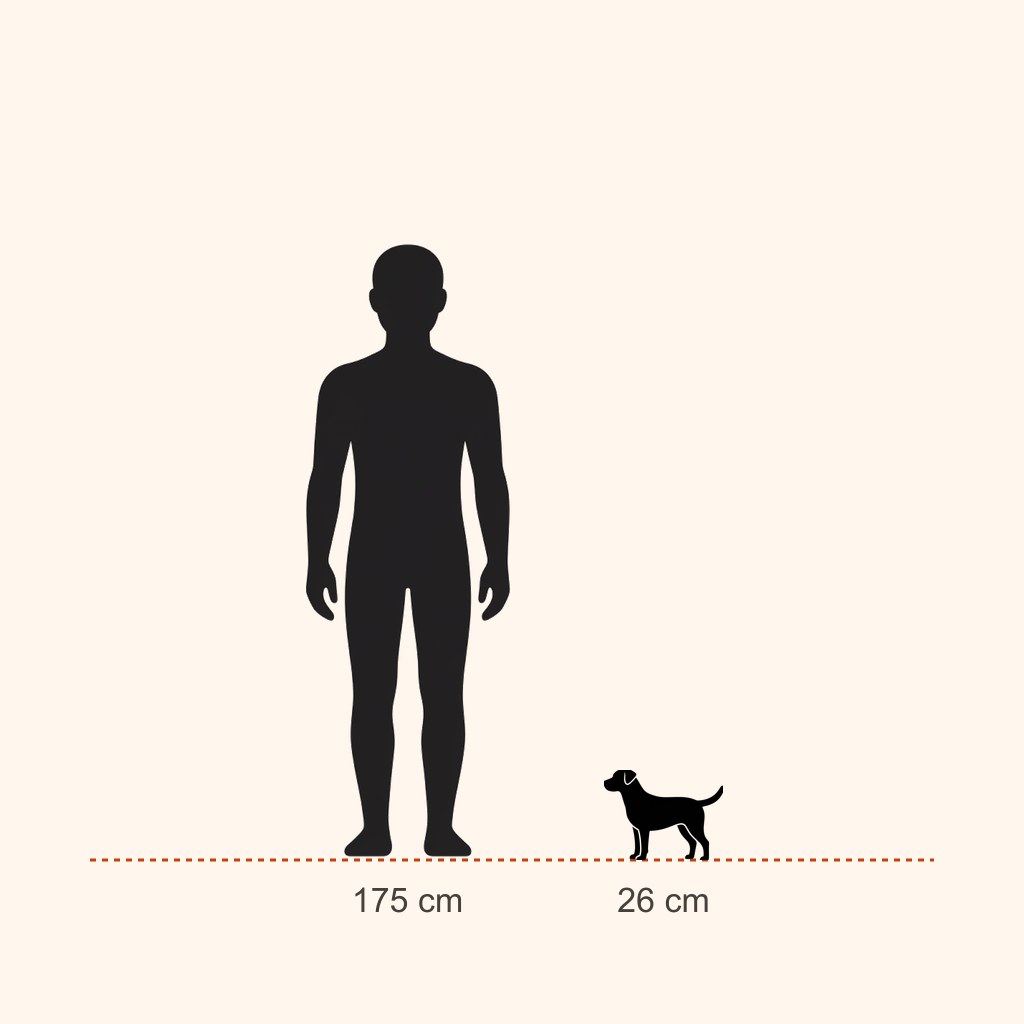
Known simply as the "Westie", this breed is an earthdog developed in the western Scottish highlands to hunt fox, badger, and vermin. It weighs 7-10 kg, is bright white, harsh-coated, and thoroughly self-assured. Small as it is, the temperament is pure terrier: bold, curious, persistent.
The Westie is a cheerful, entertaining housemate, but two things should be clear from the start. First, this breed does not stop digging and chasing. Second, allergic skin disease is not an exception in this breed — it is its most common health problem.
| Situation | Suitability | Note |
|---|---|---|
| Apartment | Good | Size fits; barking and energy need managing |
| Family with young children | Moderate | Playful and sturdy, but has little patience for rough handling |
| First-time dog owner | Moderate | Charming but stubborn; be ready for terrier persistence |
| Alone 8+ hours a day | Poor | Bored dogs bark, dig, and chew |
| House with a garden | Caution | It digs; fence lines need concrete or buried wire |
| Home with cats, hamsters, or birds | Poor | Very high prey drive |
| Unwilling to manage allergic skin disease | Poor | Atopic dermatitis is the breed's most common problem |
| Household with no grooming time | Poor | Shaping every three months, brushing weekly |
Before you adopt
The West Highland White Terrier is not on the usual restricted-breed lists, but registration, microchipping, and dangerous-breed rules differ from country to country; check your local regulations.
Ask the breeder about skin allergy, jaw bone disease (CMO), and pulmonary fibrosis in the line. These three are the breed's signature problems and they repeat within lines. A DNA test is now available for CMO; find out whether the breeder has used it.
When you meet the puppy, look at the jaw and face: swelling of the jaw bone, difficulty opening the mouth, or signs of pain when eating between 3 and 8 months of age suggest CMO. Red skin, smelly ears, and constant paw licking are early signs of allergy.
Temperament
The Westie is confident, cheerful, and sociable. Compared with some other terriers it is more people-oriented and more fun to live with, which is why it has been a favourite companion for three centuries.
It thinks for itself. It comes from a breed that went underground after quarry alone, so making its own decisions is the job description. In training that shows up as "I understood you, and I am choosing not to." Short, lively, reward-based sessions are what work.
The digging and chasing drives are strong. Holes in the garden are part of the breed's nature; redirecting is more effective than forbidding — for example, an approved digging pit. Expect it to pull on the lead when it sees a cat, a bird, or a rodent.
It is a vocal breed. It announces anything at the door, on the stairs, or past the window. In an apartment, the barking routine must be set up on day one.
Health issues and lifespan
Sources generally give a lifespan of 12-15 years.
- Atopic dermatitis (allergic skin disease): The breed's most common health problem, and top of the list in breed-club health surveys. Signs usually start between 6 months and 3 years: constant scratching, paw licking, ear infections, redness, hair loss, thickened and darkened skin. The itch leads to secondary bacterial and yeast infections. It is treatable but needs lifelong management, and early veterinary (ideally dermatology) support makes a large difference.
- Craniomandibular osteopathy (CMO, "Westie jaw"): An inherited developmental disease with excessive, abnormal bone growth in the lower jaw and the middle-ear region. It usually appears in puppies of 3-8 months. Signs: difficulty opening the mouth, pain when chewing, facial swelling, fever, loss of appetite. The bone growth generally stops at the end of the growth period; pain management and nutritional support are critical during that phase. A DNA test is available.
- Pulmonary fibrosis ("Westie lung disease"): Progressive scarring of lung tissue. It is notably common in this breed and usually appears in middle to older age. Signs: increasing breathlessness, a dry cough, tiring quickly on exertion, laboured breathing. There is no cure; early diagnosis allows supportive care that protects quality of life.
- Legg-Calvé-Perthes disease and patellar luxation: Small-breed joint problems. In Legg-Calvé-Perthes the head of the femur degenerates, showing as increasing lameness and muscle wastage in a young dog. In patellar luxation the hind leg is held up for a few strides. Both need veterinary assessment.
- Dry eye (KCS): Insufficient tear production, with sticky discharge, redness, and constant squinting. It may need lifelong eye drops.
- Bladder cancer (transitional cell carcinoma): A predisposition is reported in the breed. Urinary signs that never clear up, or recur despite treatment (frequent urination, blood in the urine, straining), must be investigated in an older dog.
- White shaker syndrome: A neurological condition of small white-coated breeds with whole-body tremors; it starts in young adults and usually responds well to treatment.
Feeding
An adult Westie (7-9 kg) eats roughly 110-160 g of good-quality dry food a day, depending on the calorie density of the food and the dog's activity.
- Puppy: Small-breed puppy food, three meals a day, dropping to two after six months.
- Adult: Two meals a day. This breed gains weight easily; the ribs should be easy to feel.
- Senior: Fewer calories, and a lean weight to spare the joints and the lungs.
In dogs with skin problems, food allergy is investigated with an elimination diet under veterinary supervision. The rule during that trial is absolute: no extra treats, table scraps, or flavoured medication, or the result cannot be interpreted. Swapping foods on your own does not count as an allergy test.
Grooming and coat
A double coat with a hard, straight outer layer over a soft undercoat. It sheds little but needs regular attention.
- Comb two or three times a week; mats start in the leg furnishings, behind the ears, and on the belly.
- Professional shaping roughly every three months. Show dogs are hand-stripped to keep the coat harsh; clipping is fine for a pet, though frequent clipping can soften the coat over time.
- White hair shows dirt and tear staining; wipe the face and around the paws regularly.
- In allergic dogs, regular bathing with the shampoo your vet recommends is part of the treatment.
- Check the ears weekly; odour and redness mean infection.
- Wipe the paws after walks; pollen and dust trigger allergic itching.
- Nails every 3-4 weeks; teeth brushed daily if possible.
Training and exercise
Daily needs: at least 30-45 minutes of focused exercise plus play. A Westie that is not kept busy expresses itself through barking and digging.
Priorities:
- Socialisation (8-16 weeks). Different people, dogs, and settings, to balance the terrier confidence.
- Recall. The hardest and most necessary cue, given the prey drive. Off-lead freedom in open ground is not safe with this breed.
- Barking management. "Tell me, then quiet"; limiting window-watching duty helps.
- An approved digging spot. Redirecting digging to one corner of the garden saves the fence.
- Mental work. Scent games, food puzzles, short trick sessions. The terrier mind wants a job.
Harsh methods create resistance in this breed. Short, fun, reward-based sessions and consistent rules work best.
History
The West Highland White Terrier was developed in western Scotland from the same local terrier pool as the Cairn and the Scottish Terrier. Its job was to drive foxes, badgers, and vermin out of rock crevices and out of the ground, so the breed was selected to be brave, compact enough to work in tight spaces, and capable of deciding for itself.
The choice of white was functional: a dark dog could be mistaken for the quarry in the field. Being able to tell your dog apart at a distance or in poor light was a safety matter for the hunter, so white individuals were deliberately bred.
The breed was recognised as separate in the early twentieth century and became popular quickly. On the health side, breed clubs and foundations run regular health surveys and fund research, particularly on skin allergy, CMO, and pulmonary fibrosis; choosing a breeder who follows that work makes a real difference.
This guide is for information only and is not a substitute for veterinary advice. Prices are approximate and vary by region and time.
Adoption Prep Checklist
Housing
-
Small-breed dog bed
A comfortable bed supports joint health.
Feeding
-
Small-breed dog food
Food matched to breed size gives the right nutritional balance.
-
Food and water bowl set
Needed for daily feeding and water access.
Grooming
-
Short-hair dog brush
Regular brushing reduces shedding and matting.
-
Dog nail clippers
Regular nail care matters for healthy walking.
-
Dog shampoo
Use a dog-specific shampoo for skin and coat health.
Walking & Activity
-
Dog leash and collar set
Needed for safe walks.
-
Plush dog toy
Mental and physical stimulation reduces behavior problems.
Frequently Asked Questions
Does the West Highland White Terrier shed?
Shedding is low. Brushing once a week is usually enough, with a mild increase during seasonal changes.
Can the West Highland White Terrier live in an apartment?
Yes. It lives comfortably in an apartment as long as its daily needs are met. What matters is not floor area but consistent exercise and mental stimulation.
Is the West Highland White Terrier good with children?
Generally yes. It adapts well to families with children. Even so, interactions should be supervised and children taught to respect the animal’s boundaries.
Is the West Highland White Terrier suitable for first-time dog owners?
Partly. Someone with basic experience will manage well, but it would not be the first choice for a complete beginner.
How much exercise does the West Highland White Terrier need?
It needs a moderate amount of exercise. Daily activity plus some play time makes for a balanced routine.
Can the West Highland White Terrier be left alone during the day?
It can be left alone for a few hours. Long, routine absences can bring on boredom-driven behaviour problems; enrichment and a predictable routine reduce that risk.
How long does the West Highland White Terrier live?
The West Highland White Terrier lives 12-15 years on average. Diet, regular veterinary check-ups and early screening for hereditary conditions all affect this directly.
Where does the West Highland White Terrier come from?
The West Highland White Terrier originates from Scotland. The geography a breed was developed in, and the job it was bred for, explain much of its temperament and care needs today.