

Tosa
The image on this page is AI-generated and does not depict a real animal.
- Species
- Dog
- Origin
- Japan
- Size
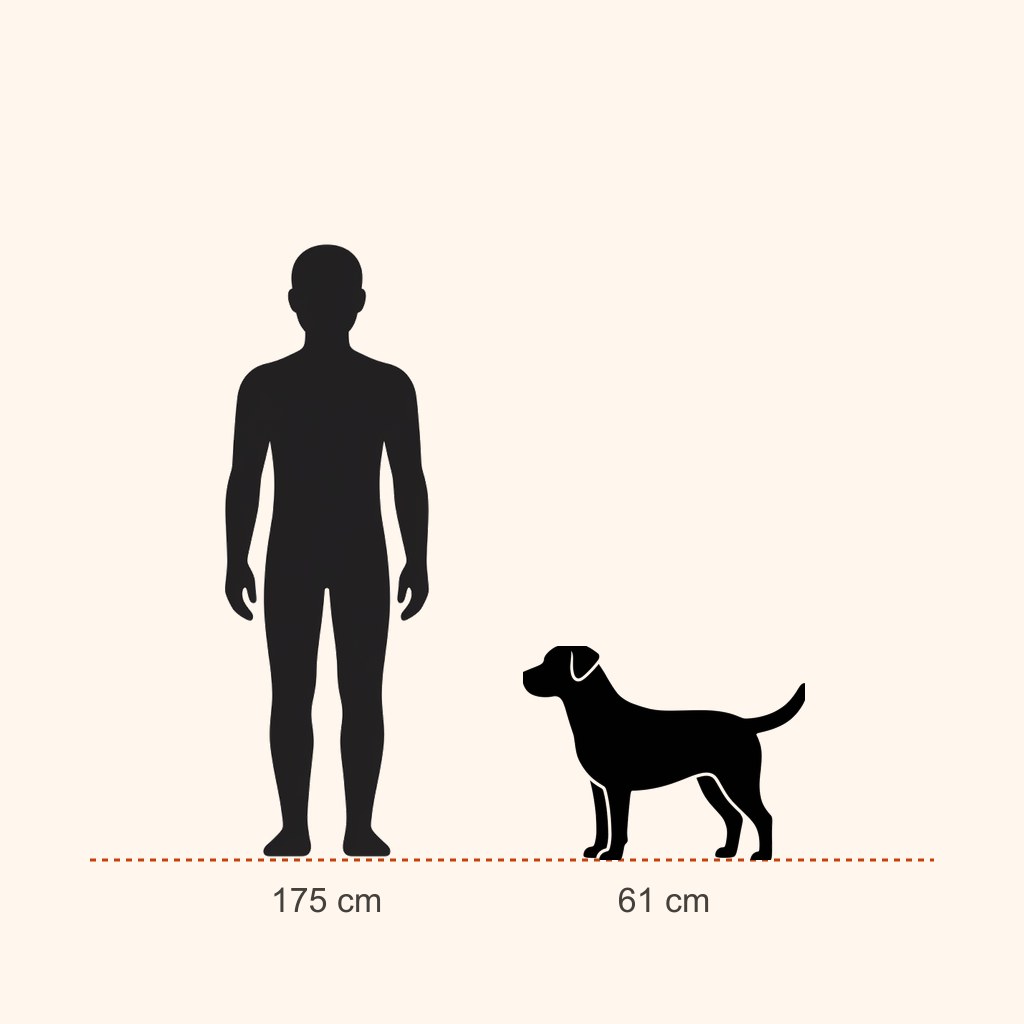
- Large
- Lifespan
- 8-12 years
- Temperament
- Calm loyal confident
- Description
Traditionally bred for dog fighting in Japan, a calm but powerful breed.
- Physical Traits
Short dense coat (red-brown tones), a large muscular body.
- Care / Environment Info
Requires a large garden, an experienced owner is recommended. Its short coat sheds little, easy to maintain. Moderate exercise, early socialization is important. May be subject to BSL restrictions in some countries.
Adoption Prep Checklist
Housing
-
Large-breed dog bed
A comfortable bed supports joint health.
Feeding
-
Large-breed dog food
Food matched to breed size gives the right nutritional balance.
-
Food and water bowl set
Needed for daily feeding and water access.
Grooming
-
Short-hair dog brush
Regular brushing reduces shedding and matting.
-
Dog nail clippers
Regular nail care matters for healthy walking.
-
Dog shampoo
Use a dog-specific shampoo for skin and coat health.
Walking & Activity
-
Dog leash and collar set
Needed for safe walks.
-
Plush dog toy
Mental and physical stimulation reduces behavior problems.
Frequently Asked Questions
Does the Tosa shed?
Shedding is low. Brushing once a week is usually enough, with a mild increase during seasonal changes.
Can the Tosa live in an apartment?
Not recommended. It needs a large garden or open space. Kept in confined quarters, restlessness and behavioural problems are the expected outcome.
Is the Tosa good with children?
Not recommended for homes with young children. Its temperament or physical characteristics make living alongside children risky.
Is the Tosa suitable for first-time dog owners?
No — it suits experienced owners. Its character, energy or care requirements would be demanding for a first-time owner.
How much exercise does the Tosa need?
It needs a moderate amount of exercise. Daily activity plus some play time makes for a balanced routine.
Can the Tosa be left alone during the day?
It can be left alone for a few hours. Long, routine absences can bring on boredom-driven behaviour problems; enrichment and a predictable routine reduce that risk.
How long does the Tosa live?
The Tosa lives 8-12 years on average. Diet, regular veterinary check-ups and early screening for hereditary conditions all affect this directly.
Where does the Tosa come from?
The Tosa originates from Japan. The geography a breed was developed in, and the job it was bred for, explain much of its temperament and care needs today.