

Shiba Inu
The image on this page is AI-generated and does not depict a real animal.
- Species
- Dog
- Origin
- Japan
- Size
- Medium
- Lifespan
- 13-16 years
- Temperament
- Alert confident independent brave
- Description
Known for its cat-like independent character, a small-to-medium traditional Japanese hunting dog.
- Physical Traits
Thick double coat (red most common), a fox-like pointed face, a curled tail, upright triangular ears.
- Care / Environment Info
Can live in an apartment. Its double coat sheds heavily on a seasonal basis, requiring regular brushing. Moderate-to-high exercise needs. Its independent and stubborn character requires patience and consistency in training.
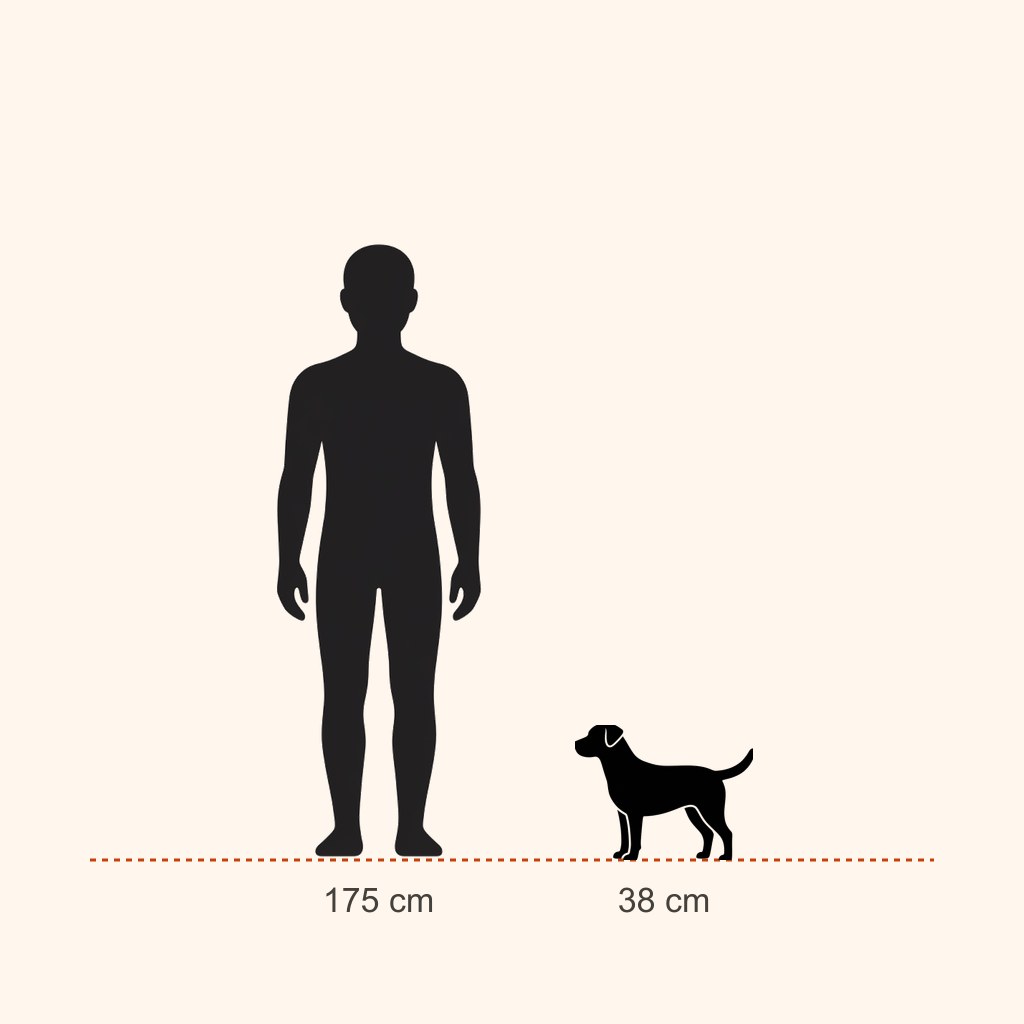
Shiba Inu Owner's Guide
Last updated:
Is a Shiba Inu right for you?
With its fox-like face, curled tail and tidy looks, the Shiba Inu is the smallest of Japan's native breeds. Its size, cleanliness and social-media fame make it look like an "easy little dog". The reality is different: the Shiba is an independent, stubborn hunting dog with a strong prey drive and a talent for escaping. The most common mistake owners make is expecting Golden Retriever-style obedience.
| Situation | Suitability | Note |
|---|---|---|
| Apartment | Good | Size fits and it is usually not a big barker; daily exercise is a must |
| Family with young children | Poor | Dislikes being handled or restrained; can be impatient |
| First-time dog owner | Poor | Independent and stubborn; experience helps a lot |
| Owner wanting off-lead walks | Unsuitable | Recall cannot be relied on |
| Home with cats, birds or rodents | Poor | Strong prey drive |
| Household with fur allergies | Poor | Double coat with heavy seasonal "blowouts" |
| Patient, consistent, experienced owner | Excellent | Once trust is earned, a loyal and clean companion |
Before you adopt
Choose a Shiba because you accept its temperament, not because of its looks. Colorado Shiba Inu Rescue names poor family fit, especially in homes with children, as a main reason Shibas end up in rescue.
If buying from a breeder, ask for the parents' patella and hip evaluations and eye exams. Always meet both parents; excessive shyness or possessive aggression (guarding food or toys) can run in lines.
Prepare your home: gaps in fences, doors left open or balconies are escape routes for this breed. Plan an ID tag and microchip registration before the puppy arrives.
Temperament
The Shiba is alert, confident, bold and independent. Many owners describe it as "cat-like": clean, self-grooming, and affectionate on its own terms.
It is loyal to its family but not needy, and aloof or indifferent with strangers. Its affection is earned, not given.
It is stubborn. It may know a cue perfectly and still not do it if it sees no point. That isn't stupidity; it's the character of a hunting dog bred to work independently.
It dislikes being handled, especially nail trims and restraint, and under stress may let out the high-pitched "Shiba scream".
Its personality usually settles around two years of age; a cuddly puppy becoming a more independent, selective adult is normal.
Health issues and lifespan
Sources generally give a lifespan of 12-16 years; it is a long-lived breed.
- Allergies: Common in the breed; environmental, food or flea-related. Paw licking, itching around the muzzle and ears, hair loss at the tail base and recurring ear infections are signs. See your vet if itching lasts more than a few days.
- Patellar luxation: The kneecap slips out of place. The dog holds a hind leg up for a few steps then walks normally, or skips. Frequent episodes need an orthopaedic assessment.
- Glaucoma: Raised pressure inside the eye, often hereditary in Shibas. A red, cloudy or enlarged-looking eye, squinting and pain around the eye. This is an emergency; pressure can cause permanent blindness within hours to days.
- Cataracts and other eye problems: Cloudiness, or watering and rubbing from inward-growing lashes (distichiasis) or rolled-in eyelids (entropion).
- Hip dysplasia: Lameness, difficulty rising.
- Dental problems: Tartar and early tooth loss; regular dental care is needed.
Feeding
An adult Shiba Inu (8-10 kg) typically eats roughly 110-170 g of good-quality dry food a day, adjusted to energy content and activity.
- Puppy (2-12 months): Small-to-medium breed puppy food, 3-4 meals a day.
- Adult: Two meals a day. Ideal weight is the most effective protection for knees and hips.
- Senior (9+ years): Fewer calories; monitor teeth and joints.
Don't switch foods at random in a dog with allergy signs; use an elimination diet under veterinary guidance. Leave a food-guarding Shiba alone while it eats and keep children away from the bowl.
Grooming and coat
A double coat of harsh outer hair over a dense, soft undercoat.
- Weekly brushing is enough most of the year.
- A few times a year it "blows" its undercoat, shedding in clumps; brush daily with an undercoat rake then.
- Do not shave. Air between the undercoat and outer coat insulates against both cold and heat, and the outer coat protects the skin from sun. Shaving breaks this system, exposes the skin to sunburn and can cause patchy, sometimes permanently altered regrowth. To keep it cool, brush out the loose undercoat.
- The breed is naturally clean; a few baths a year are enough.
- Start reward-based nail trims and handling in puppyhood, or they will become a battle with an adult Shiba.
Training and exercise
Daily need: at least 45-60 minutes of on-lead walking and play, plus scent and puzzle games.
Rules and priorities:
- Never let it off-lead. Outside a securely fenced area, releasing a Shiba means risking losing it. When prey drive kicks in it won't come back and won't register traffic.
- Escape-proof equipment: Shibas slip collars easily. Use a well-fitted, escape-resistant harness and keep a firm grip on the lead.
- Door manners: Teach a "wait" cue early so it doesn't bolt when the door opens.
- Socialisation (8-16 weeks): Positive experiences with people, children and dogs; poor socialisation can turn into intolerance of other dogs.
- Handling practice: Pair paw, ear and mouth checks with rewards.
- Positive reinforcement only: Harsh methods destroy trust and increase defensive behaviour.
Because of its dense coat, walk in cool morning and evening hours during hot weather.
History
The Shiba Inu descends from ancient dogs used in Japan's mountainous regions to hunt small game and birds. It is the smallest of Japan's native breeds.
Food shortages during the Second World War and a subsequent distemper epidemic brought the breed close to extinction. After the war it was rebuilt from surviving lines from different regions. Today the Shiba is one of Japan's most popular family dogs and has spread rapidly worldwide in recent years.
This guide is for information only and is not a substitute for veterinary advice. Prices are approximate and vary by region and time.
Adoption Prep Checklist
Housing
-
Medium-breed dog bed
A comfortable bed supports joint health.
Feeding
-
Medium-breed dog food
Food matched to breed size gives the right nutritional balance.
-
Food and water bowl set
Needed for daily feeding and water access.
Grooming
-
De-shedding brush
Regular brushing reduces shedding and matting.
-
Dog nail clippers
Regular nail care matters for healthy walking.
-
Dog shampoo
Use a dog-specific shampoo for skin and coat health.
Walking & Activity
-
Running/exercise dog harness
Needed for safe walks.
-
Interactive dog puzzle toy
Mental and physical stimulation reduces behavior problems.
Frequently Asked Questions
Does the Shiba Inu shed?
It sheds heavily, especially at seasonal changes. Expect near-daily brushing and regular cleaning at home; it is not a good choice for anyone sensitive to pet hair.
Can the Shiba Inu live in an apartment?
Yes. It lives comfortably in an apartment as long as its daily needs are met. What matters is not floor area but consistent exercise and mental stimulation.
Is the Shiba Inu good with children?
Caution is warranted. With proper socialisation and adult supervision it can live with children, but it is not a first choice for homes with young children.
Is the Shiba Inu suitable for first-time dog owners?
No — it suits experienced owners. Its character, energy or care requirements would be demanding for a first-time owner.
How much exercise does the Shiba Inu need?
It is high-energy and needs vigorous daily activity. Mental stimulation matters as much as physical exercise; without enough to do, destructive behaviour follows.
Can the Shiba Inu be left alone during the day?
It tolerates being alone well. That makes it workable for someone employed full time, though it will still expect attention and activity on your return.
How long does the Shiba Inu live?
The Shiba Inu lives 13-16 years on average. Diet, regular veterinary check-ups and early screening for hereditary conditions all affect this directly.
Where does the Shiba Inu come from?
The Shiba Inu originates from Japan. The geography a breed was developed in, and the job it was bred for, explain much of its temperament and care needs today.