

Pug
The image on this page is AI-generated and does not depict a real animal.
- Species
- Dog
- Origin
- China
- Size
- Small
- Lifespan
- 12-15 years
- Temperament
- Affectionate comical loyal calm
- Description
Known for its wrinkled face and playful personality, an affectionate lap dog.
- Physical Traits
Short smooth coat (fawn or black), a wrinkled flat face, large round eyes, a stocky compact body, a curled tail.
- Care / Environment Info
Very suitable for apartment living. Despite its short coat it sheds moderate-to-heavily. Facial wrinkles need regular cleaning. Low exercise needs. Its flat facial structure makes it heat-intolerant, snores, and is prone to obesity.
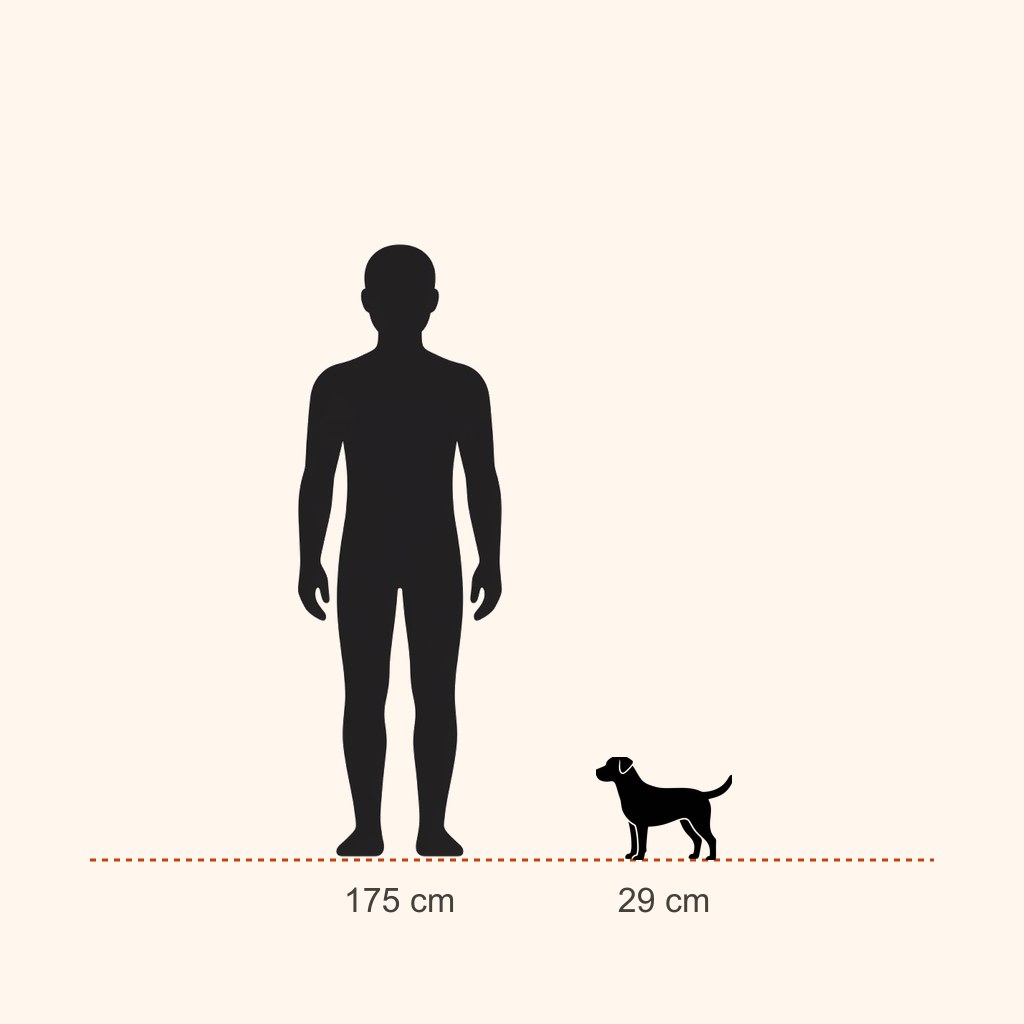
Pug Owner's Guide
Last updated:
Is a Pug right for you?
The Pug is a much-loved breed with a comical face and a sociable character. In temperament it is almost a perfect companion: cheerful, gentle, wonderful with children. But it carries a serious health burden, and that must sit at the centre of the adoption decision.
| Situation | Suitability | Note |
|---|---|---|
| Apartment | Perfect | Low exercise needs, a small space is enough |
| Family with young children | Perfect | Patient, playful, no aggression |
| First-time dog owner | Good | Easy temperament; health monitoring must be learned |
| Alone 8+ hours a day | Poor | Very attached to people; separation anxiety is common |
| Household with fur allergies | Poor | Do not be fooled by the short coat, it sheds very heavily |
| Hot climate | Very poor | One of the breeds at highest risk of heat stroke |
| Someone wanting a running or walking partner | Not suitable | Cannot sustain prolonged effort and cannot swim |
Large-scale VetCompass data from the UK shows Pugs at markedly higher risk than other breeds for a number of common disorders. If you love this breed, support breeders who select for longer muzzles and open nostrils.
Before you adopt
Breeder selection in this breed determines the animal's lifelong breathing comfort. What you are looking for is not the "flattest-faced" Pug but a Pug that can breathe.
When you go to see the puppy, check these things: are the nostrils open, does it breathe noisily at rest, does it tire quickly after a short play session, are the eyes in a normal position. A puppy that wheezes at rest will have problems for life.
Ask the breeder for hip certification, an eye examination, and the Pug encephalitis (NME) genetic test result. Also ask about the parents' breathing assessment.
Support breeders producing longer-muzzled individuals with open nostrils; this choice is changing the breed's future. Pugs and their mixes are common in shelters, so adoption is a strong option.
Temperament
The Pug's temperament is the breed's greatest strength. It is cheerful, sociable, and comic; it seems to make a special effort to make you laugh. Aggression is almost never seen in this breed.
It is glued to people. It wants to be in your lap, at your feet, under the duvet. It does not like being left alone.
It is patient with children and other animals. It treats strangers as friends; do not expect guarding.
It has a stubborn streak but is not malicious; it simply gets distracted and is motivated by food.
It snores, breathes with a rasp, and passes wind. These are described as "Pug quirks", but at least the first two relate to its respiratory structure and warrant medical assessment if severe.
Health issues and lifespan
Average lifespan is 12 to 15 years, but the health burden is high.
- Brachycephalic obstructive airway syndrome (BOAS): Breathing difficulty caused by the short muzzle. Noisy breathing, snoring, rapid exhaustion during exercise, bluish tongue. Severe cases need surgery. The snoring widely accepted in this breed is in fact a sign of disease.
- Heat stroke: The most real and most fatal risk. Take care above 25 °C and do not go out above 28 °C. Never leave the dog alone in a vehicle. Its cooling capacity is very low.
- Eye problems: The prominent, large eyes are exposed to injury and drying. Corneal ulcers are common. The most severe situation is proptosis, in which the eye comes out of the socket; it can happen after a blow or excessive pressure and requires emergency surgery.
- Pug encephalitis (necrotising meningoencephalitis): A fatal brain inflammation specific to this breed that begins at a young age. Seizures, loss of balance, and behavioural change are the signs. Rare, but breed-specific.
- Skin fold dermatitis: Fungi and bacteria multiply if the facial folds stay damp. Daily wiping is essential.
- Obesity: It has a good appetite and moves little. Excess weight further constricts an already narrow airway.
- Tail spine anomalies: The screw tail is associated with vertebral deformities and can cause hind-limb weakness.
- Hip dysplasia: Despite its small size, this is widely reported in the breed.
Feeding
An adult Pug (6-8 kg) eats 120-180 g of quality dry food per day. Weight control is directly linked to respiratory health in this breed.
- Puppy (2-12 months): Small-breed puppy food, three meals a day.
- Adult: 22-26% protein. Measure with a cup; a Pug always looks hungry.
- Senior (8+ years): Calories reduced.
Use a slow-feeder bowl. Short-muzzled breeds swallow a lot of air while eating, which causes gas and bloating.
The mouth area and facial fold should be wiped after meals.
Grooming and coat
- The facial folds must be wiped with a damp cloth and dried thoroughly every day. This is the breed's most important daily grooming task.
- The fold under the tail must also be checked.
- A rubber brush once or twice a week. Despite the short coat it sheds very heavily; "Pug hair everywhere" is a shared complaint among owners.
- Bathe every four to six weeks.
- Check the eyes daily; if there is redness, watering, or a squint, see a vet.
- Ears weekly.
- Nails every three to four weeks, teeth several times a week (dental crowding is common in the short jaw).
Training and exercise
Daily requirement: 20 to 40 minutes in short segments, in the cool of early morning and evening. Do not push in heat, uphill, or over long distances.
Swimming: Pugs cannot swim. The heavy head and short muzzle cause them to sink. Never leave one by a pool or the sea without a life jacket.
Priorities:
- Heat awareness. The most important thing for the owner to learn. Extremely noisy breathing, a tongue turning purple or blue, and inability to stand are an emergency; cool the dog and go straight to a vet.
- Harness. A neck collar narrows the airway and presses on the eyes.
- Socialisation (8-16 weeks).
- Short, enjoyable training. Motivate with food; it tires of long repetition.
- Practice at being alone. Gradual conditioning prevents separation anxiety.
History
The Pug is a very old breed of Chinese origin, with records taken back as far as 400 BCE. During the Han dynasty it was kept in the imperial palace, reserved for the nobility and given only as a gift. The resemblance of the facial wrinkles to a Chinese character gave the breed a special value.
In the 16th century it was brought to Europe by Dutch traders. It became the official dog of the House of Orange, the Dutch royal family; according to legend a Pug saved Prince William's life by warning him of assassins.
In France, Joséphine, Napoleon's wife, is said to have used her Pug Fortune to carry secret notes while she was imprisoned. Queen Victoria was also a great admirer of the breed and helped spread it in England.
Over the last century breeding moved toward ever flatter faces; that tendency is the source of today's health problems. Veterinary organisations and some breed clubs are working toward a return to longer-muzzled types that can breathe.
This guide is for information only and is not a substitute for veterinary advice. Prices are approximate and vary by region and time.
Adoption Prep Checklist
Housing
-
Small-breed dog bed
A comfortable bed supports joint health.
Feeding
-
Small-breed dog food
Food matched to breed size gives the right nutritional balance.
-
Food and water bowl set
Needed for daily feeding and water access.
Grooming
-
De-shedding brush
Regular brushing reduces shedding and matting.
-
Dog nail clippers
Regular nail care matters for healthy walking.
-
Dog shampoo
Use a dog-specific shampoo for skin and coat health.
Walking & Activity
-
Dog leash and collar set
Needed for safe walks.
-
Plush dog toy
Mental and physical stimulation reduces behavior problems.
Frequently Asked Questions
Does the Pug shed?
It sheds heavily, especially at seasonal changes. Expect near-daily brushing and regular cleaning at home; it is not a good choice for anyone sensitive to pet hair.
Can the Pug live in an apartment?
Yes. It lives comfortably in an apartment as long as its daily needs are met. What matters is not floor area but consistent exercise and mental stimulation.
Is the Pug good with children?
Generally yes. It adapts well to families with children. Even so, interactions should be supervised and children taught to respect the animal’s boundaries.
Is the Pug suitable for first-time dog owners?
Partly. Someone with basic experience will manage well, but it would not be the first choice for a complete beginner.
How much exercise does the Pug need?
Its energy level is low. Short, regular activity is enough; strenuous exercise is not required.
Can the Pug be left alone during the day?
It can be left alone for a few hours. Long, routine absences can bring on boredom-driven behaviour problems; enrichment and a predictable routine reduce that risk.
How long does the Pug live?
The Pug lives 12-15 years on average. Diet, regular veterinary check-ups and early screening for hereditary conditions all affect this directly.
Where does the Pug come from?
The Pug originates from China. The geography a breed was developed in, and the job it was bred for, explain much of its temperament and care needs today.