

Poodle (Standard)
The image on this page is AI-generated and does not depict a real animal.
- Species
- Dog
- Origin
- Germany/France
- Size
- Large
- Lifespan
- 12-15 years
- Temperament
- Intelligent active polite trainable
- Description
Very intelligent and quick to learn, an elegant breed known for its hypoallergenic coat.
- Physical Traits
Dense, curly, non-shedding single-layer coat, various solid colors, a slender elegant long-legged body.
- Care / Environment Info
Can live in an apartment or a house with a garden. Its curly single-layer coat barely sheds and is considered hypoallergenic, but requires regular (every 4-8 weeks) professional clipping; care costs are therefore high. Due to its high intelligence level it needs mental stimulation and moderate-to-high exercise.
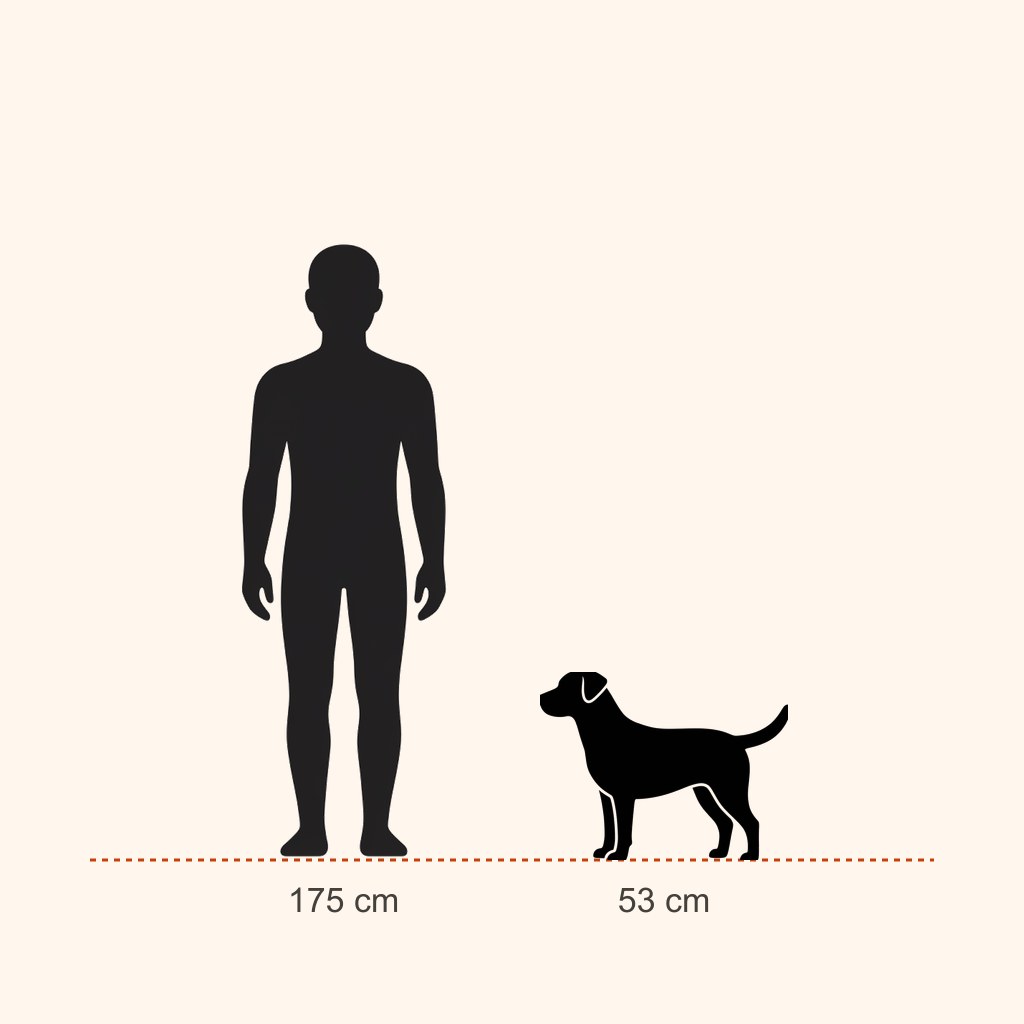
Poodle (Standard) Owner's Guide
Last updated:
Is a Standard Poodle right for you?
The Poodle is the breed for which the "toy dog" reputation is least deserved. Under the fluffy trim is a serious water retriever: athletic, highly intelligent, and in need of a job. The Standard is the largest of the three sizes (20-32 kg) and the most balanced in character.
| Situation | Suitability | Note |
|---|---|---|
| Apartment | Good | A quiet, clean breed; but an hour of exercise a day is essential |
| Family with young children | Excellent | Patient and playful; more robust than the smaller sizes |
| First-time dog owner | Good | Very easy to train; the difficulty lies in grooming |
| Alone 8+ hours a day | Poor | Attached to people; develops anxiety when bored |
| Household with fur allergies | One of the best options | Sheds almost nothing, though calling it "non-allergenic" is wrong |
| Home without a grooming budget | Poor | Professional clipping is needed every six to eight weeks |
The Poodle is one of the best answers for someone who wants an intelligent, active dog without shedding. In exchange it demands grooming discipline and regular professional trims.
Before you adopt
Ask the breeder for hip certification, an eye examination certificate, and PRA genetic test results. Also ask whether Addison's disease and sebaceous adenitis have appeared in the line; both are known concerns in this breed.
"Doodle" crosses (Goldendoodle, Labradoodle) are not Poodles; their shedding characteristics are unpredictable and genetic health screening is often skipped.
Standard Poodles appear in shelters and breed rescues. Adopting an adult means the temperament and coat care needs are already visible.
Temperament
The Poodle consistently ranks in the top three in canine intelligence rankings. This makes training easy, but it comes at a price: a bored Poodle gets into mischief creatively. It learns to open doors, raid cupboards, and outmanoeuvre you.
It is very attached to its family and likes to be near people. It is wary of strangers but rarely aggressive. It generally gets on well with other dogs and cats.
Its relationship with water is genetic; the Standard Poodle loves to swim and swims well. Fetch games, agility, and obedience sport are the breed's favourite activities.
It is a sensitive breed; it withdraws in the face of harsh voices and punishment. Reward-based training is the only correct approach.
Health issues and lifespan
Average lifespan is 12 to 15 years.
- Addison's disease (hypoadrenocorticism): More common in Poodles than in other breeds. The signs are vague: lethargy, vomiting, loss of appetite, collapse under stress. It can be fatal if undiagnosed and is managed lifelong with medication.
- Gastric torsion (bloat): A risk at the Standard size. Distended abdomen, retching without vomiting, restlessness. Requires an emergency vet.
- Hip dysplasia: Occurs at the Standard size; parental certification should be requested.
- Progressive retinal atrophy (PRA): A DNA test exists; parents should be screened.
- Sebaceous adenitis: A skin disease specific to Poodles. Hair loss, scaling, and odour. It requires lifelong management.
- Epilepsy: Seizures usually begin between one and five years of age and can be controlled with medication.
- Ear infections: Frequent because of the drop, hairy ears; hair in the ear canal must be removed regularly.
Feeding
An adult Standard Poodle (20-32 kg) consumes 300-400 g of quality dry food per day.
- Puppy (2-18 months): Large-breed puppy food, three meals a day.
- Adult: 22-26% protein. Omega-3 content matters for skin and coat health; in Poodles, food quality shows directly in coat quality.
- Senior (8+ years): Calories reduced.
Two meals a day and an hour of calm after eating reduce the risk of gastric torsion.
Grooming and coat
Poodle hair stays in place where it sheds; it does not fall to the floor. That is an advantage for allergies and a matter of pure discipline for grooming.
- Brush daily or every other day. Skip two days and matting begins; matted hair pulls at the skin, causes inflammation, and can only be resolved by clipping.
- Professional clipping every six to eight weeks. The style does not matter; short cuts such as the "puppy cut" make daily care easier.
- Hair in the ear canal must be removed regularly and the ears cleaned weekly.
- Tear staining under the eyes is common; daily wiping reduces it.
- Bathe every three to four weeks, then dry and brush thoroughly.
- Nails every three to four weeks, teeth several times a week.
Training and exercise
Daily requirement: 1 to 1.5 hours. The Standard Poodle is athletic; walking is not enough, running and play are needed. Swimming is ideal exercise.
Priorities:
- Mental work. The most critical item for this breed. Trick training, scent games, food puzzles, retrieving hidden objects. A Poodle whose mind is not tired becomes restless.
- Socialisation (8-16 weeks).
- Tolerating grooming. Brushing, the dryer, nail trims, and the grooming table must be introduced with rewards in puppyhood. A Poodle that fears grooming is a lifelong problem.
- Basic obedience and recall.
- Advanced work. Agility, obedience sport, rally. The Poodle is one of the most successful breeds in these sports.
History
Contrary to popular belief the Poodle is German, not French, in origin. Its name comes from the German verb "pudeln", to splash in water; the French name "caniche" also refers to duck hunting. The breed was developed as a gundog retrieving waterfowl from cold water.
Even the famous trim was functional: the hair over the joints and chest was left to protect vital organs in cold water, while the rest of the body was shortened to make swimming easier.
In France the breed gained national dog status and spread among the aristocracy; the Miniature and Toy sizes were developed there in response to demand for companion dogs. Today the Poodle is considered a single breed in three sizes and the FCI standard is managed through France.
This guide is for information only and is not a substitute for veterinary advice. Prices are approximate and vary by region and time.
Adoption Prep Checklist
Housing
-
Large-breed dog bed
A comfortable bed supports joint health.
Feeding
-
Large-breed dog food
Food matched to breed size gives the right nutritional balance.
-
Food and water bowl set
Needed for daily feeding and water access.
Grooming
-
Short-hair dog brush
Regular brushing reduces shedding and matting.
-
Dog nail clippers
Regular nail care matters for healthy walking.
-
Dog shampoo
Use a dog-specific shampoo for skin and coat health.
Walking & Activity
-
Running/exercise dog harness
Needed for safe walks.
-
Interactive dog puzzle toy
Mental and physical stimulation reduces behavior problems.
Frequently Asked Questions
Does the Poodle (Standard) shed?
Shedding is low. Brushing once a week is usually enough, with a mild increase during seasonal changes.
Can the Poodle (Standard) live in an apartment?
Yes. It lives comfortably in an apartment as long as its daily needs are met. What matters is not floor area but consistent exercise and mental stimulation.
Is the Poodle (Standard) good with children?
Generally yes. It adapts well to families with children. Even so, interactions should be supervised and children taught to respect the animal’s boundaries.
Is the Poodle (Standard) suitable for first-time dog owners?
Partly. Someone with basic experience will manage well, but it would not be the first choice for a complete beginner.
How much exercise does the Poodle (Standard) need?
It is high-energy and needs vigorous daily activity. Mental stimulation matters as much as physical exercise; without enough to do, destructive behaviour follows.
Can the Poodle (Standard) be left alone during the day?
It can be left alone for a few hours. Long, routine absences can bring on boredom-driven behaviour problems; enrichment and a predictable routine reduce that risk.
How long does the Poodle (Standard) live?
The Poodle (Standard) lives 12-15 years on average. Diet, regular veterinary check-ups and early screening for hereditary conditions all affect this directly.
Where does the Poodle (Standard) come from?
The Poodle (Standard) originates from Germany/France. The geography a breed was developed in, and the job it was bred for, explain much of its temperament and care needs today.