

Pomeranian
The image on this page is AI-generated and does not depict a real animal.
- Species
- Dog
- Origin
- Germany/Poland
- Size
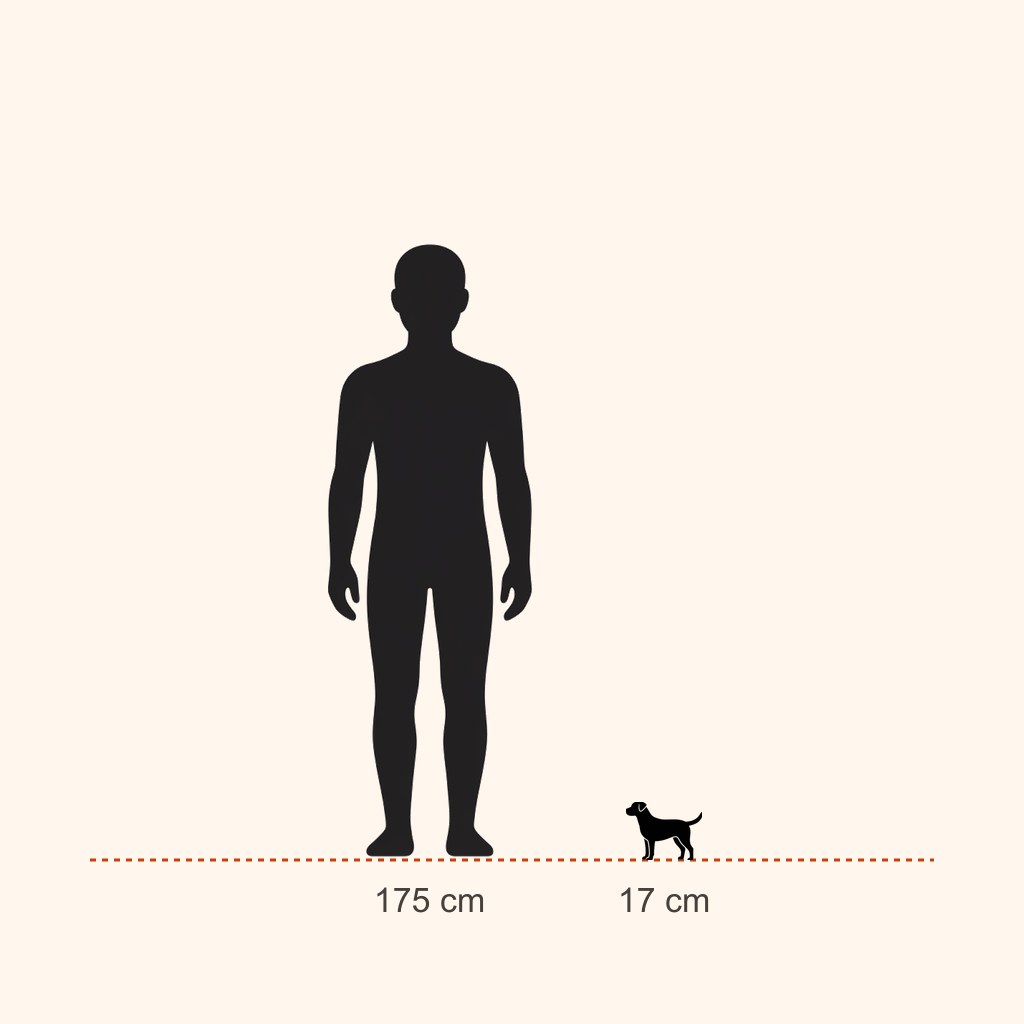
- Very Small
- Lifespan
- 12-16 years
- Temperament
- Lively self-confident curious outgoing
- Description
Known for its fox-like face and fluffy coat, an energetic and outgoing lap dog.
- Physical Traits
Very fluffy, abundant, standing-off double coat, a fox-like pointed face, a small compact body.
- Care / Environment Info
Suitable for apartment living. Its very fluffy double coat sheds heavily, requiring frequent brushing. Low-to-moderate exercise needs. Barking can be noticeable, dental health monitoring is important.
Pomeranian Owner's Guide
Last updated:
Is a Pomeranian right for you?
The Pomeranian packs a big-dog personality into a 2-3 kg body. It is also sold under the name "Pomeranian Boo"; that is not a separate breed but simply a clipped Pomeranian.
| Situation | Suitability | Note |
|---|---|---|
| Apartment | Excellent | Happy in a small space |
| Family with young children | Caution | A fragile dog; the risk of being dropped or crushed is real |
| First-time dog owner | Good | Grooming is not easy, but management is |
| Alone 8+ hours a day | Moderate | More resilient than other toy breeds, but barking increases |
| Household with fur allergies | Poor | Double coat, sheds heavily |
| Home needing quiet | Poor | Very prone to barking; a problem if not managed by training |
The most misunderstood aspect of the Pomeranian is its fragility. Being small does not make it a toy; a dog that is carried everywhere and never set down develops behavioural problems.
Before you adopt
Avoid unusually small individuals marketed as "teacup" or "mini". This is not a breed variety; such puppies are typically premature, undernourished, or deliberately dwarfed, and they carry health problems for life.
Ask the breeder for patella evaluation and cardiac and eye examination results for the parents. Ask about tracheal collapse in the line as well.
Meet the mother and check that the puppy has stayed with her for at least eight weeks. Small breeds are frequently weaned too early, which causes lasting behavioural problems.
Pomeranians and their mixes turn up in shelters and breed rescues more often than people expect; adopting an adult is a genuine option.
Temperament
The Pomeranian is curious, lively, and more than a little self-assured. It will challenge a dog ten times its size; this is not endearing but dangerous, and the owner must intervene.
It bonds strongly with its owner, enjoys attention, and usually picks one favourite person. It is wary and vocal with strangers and announces anyone at the door. The breed makes a good alarm dog, but unless barking is limited by training it becomes a problem in apartment life.
It is intelligent and enjoys learning tricks. When bored it barks and digs.
Health issues and lifespan
Average lifespan is 12 to 16 years; small breeds live long.
- Patellar luxation: Very common in toy breeds. The classic sign is holding one hind leg up for a step or two while walking, then carrying on. Mild cases are managed with weight and muscle control, advanced cases with surgery.
- Tracheal collapse: A dry, goose-honk cough and breathing difficulty that worsens with excitement. A harness rather than a neck collar should be considered mandatory in this breed.
- Dental disease: Crowded teeth in a small jaw, early tartar, and tooth loss. Without regular brushing, tooth loss can be seen by age five.
- Alopecia X (black skin disease): Symmetrical hair loss on the body with darkening skin. It is cosmetic but can be confused with other hormonal diseases and should be investigated.
- Hypoglycaemia: Especially in puppies; weakness, trembling, unsteadiness. Frequent regular meals are required during puppyhood.
- Open fontanelle: In some individuals the skull does not fully close and must be protected from impact.
Feeding
An adult Pomeranian (1.8-3.5 kg) eats 60-100 g of small-breed food per day. The margin for error is very narrow; 200 g of excess weight on a 3 kg dog is equivalent to 10 kg on a person.
- Puppy (2-10 months): Small-breed puppy food, three to four meals a day. Meals should not be skipped because of the hypoglycaemia risk.
- Adult: Small-kibble dry food, two meals a day. The small kibble supports both chewing and dental health.
- Senior (8+ years): Softened food if teeth are missing; calories reduced.
Treats should not exceed 10% of daily calories. Two biscuits are a significant part of the daily requirement for a dog this size.
Grooming and coat
The Pomeranian's double coat is the breed's signature and requires serious care.
- Brush two to three times a week; daily during shedding season. If the undercoat mats, the problem reaches the skin.
- Bathe every four to six weeks, followed by thorough drying. A damp undercoat causes fungal infection.
- Do not shave. The "Boo cut" is popular but risky: once the undercoat is clipped it may not regrow properly, leaving permanent thinning (post-clipping alopecia). Only the paw pads, ear edges, and sanitary area are tidied.
- Teeth must be brushed at least three times a week. This is not negotiable in this breed.
- Nails every three to four weeks.
Training and exercise
Daily requirement: 30 to 45 minutes. Two short walks and indoor play are enough. Being small does not mean exercise is unnecessary.
Priorities:
- Barking control. Teach a "quiet" cue early. Picking the dog up when it barks rewards the barking.
- Socialisation (8-16 weeks). Small dogs become fearful and aggressive because they are under-socialised. Put the dog down and introduce it to other dogs.
- Harness habit. A neck collar should not be used, for tracheal health.
- Being alone. Start with short periods and build up.
- Tolerating grooming. Brushing, nail trims, and tooth brushing are taught in puppyhood as a game.
The most common mistake with small dogs is allowing behaviour that would never be accepted in a large dog, because it looks cute. The rules should not change with size.
History
The Pomeranian is a miniaturised version of the large Spitz dogs of northern Europe. It takes its name from the Pomerania region on the Baltic coast. In the 18th and 19th centuries the breed's ancestors were far larger than today, around 10-15 kg. In 1888 Queen Victoria brought back an unusually small Pomeranian from Italy, and this dog began the breed's reduction in size; during her reign the average weight halved. The standard today is 2-3 kg. One well-known detail: two of the three dogs rescued from the Titanic were Pomeranians.
This guide is for information only and is not a substitute for veterinary advice. Prices are approximate and vary by region and time.
Adoption Prep Checklist
Housing
-
Small-breed dog bed
A comfortable bed supports joint health.
Feeding
-
Small-breed dog food
Food matched to breed size gives the right nutritional balance.
-
Food and water bowl set
Needed for daily feeding and water access.
Grooming
-
De-shedding brush
Regular brushing reduces shedding and matting.
-
Dog nail clippers
Regular nail care matters for healthy walking.
-
Dog shampoo
Use a dog-specific shampoo for skin and coat health.
Walking & Activity
-
Dog leash and collar set
Needed for safe walks.
-
Plush dog toy
Mental and physical stimulation reduces behavior problems.
Frequently Asked Questions
Does the Pomeranian shed?
It sheds heavily, especially at seasonal changes. Expect near-daily brushing and regular cleaning at home; it is not a good choice for anyone sensitive to pet hair.
Can the Pomeranian live in an apartment?
Yes. It lives comfortably in an apartment as long as its daily needs are met. What matters is not floor area but consistent exercise and mental stimulation.
Is the Pomeranian good with children?
Caution is warranted. With proper socialisation and adult supervision it can live with children, but it is not a first choice for homes with young children.
Is the Pomeranian suitable for first-time dog owners?
Partly. Someone with basic experience will manage well, but it would not be the first choice for a complete beginner.
How much exercise does the Pomeranian need?
Its energy level is low. Short, regular activity is enough; strenuous exercise is not required.
Can the Pomeranian be left alone during the day?
It can be left alone for a few hours. Long, routine absences can bring on boredom-driven behaviour problems; enrichment and a predictable routine reduce that risk.
How long does the Pomeranian live?
The Pomeranian lives 12-16 years on average. Diet, regular veterinary check-ups and early screening for hereditary conditions all affect this directly.
Where does the Pomeranian come from?
The Pomeranian originates from Germany/Poland. The geography a breed was developed in, and the job it was bred for, explain much of its temperament and care needs today.