

Miniature Schnauzer
The image on this page is AI-generated and does not depict a real animal.
- Species
- Dog
- Origin
- Germany
- Size
- Small
- Lifespan
- 12-15 years
- Temperament
- Intelligent friendly alert trainable
- Description
Known for its characteristic beard and eyebrows, an intelligent and friendly small breed.
- Physical Traits
Wiry coat (salt-and-pepper, black or black-silver), a distinct brow and beard, a square compact body.
- Care / Environment Info
Suitable for apartment living. Its wiry coat sheds little but requires regular clipping. Moderate exercise needs.
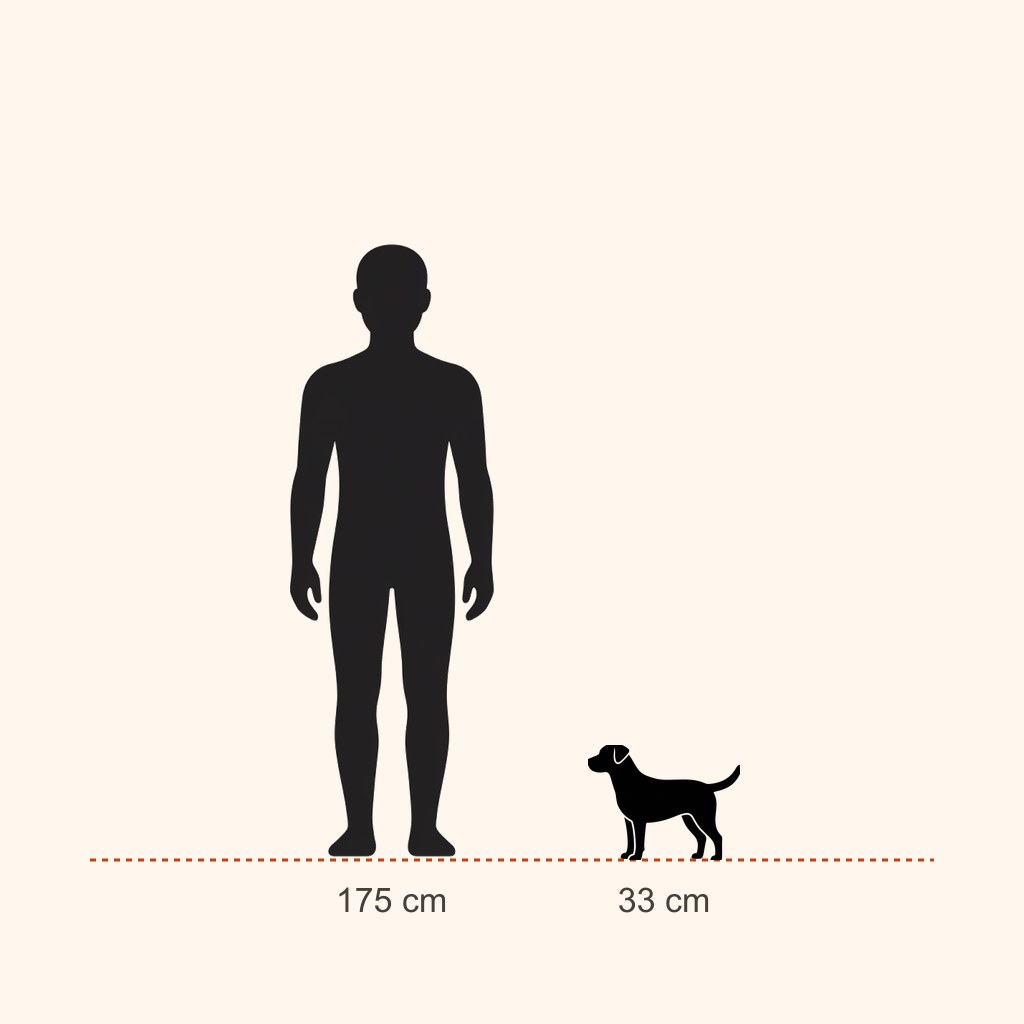
Miniature Schnauzer Owner's Guide
Last updated:
Is a Miniature Schnauzer right for you?
The Miniature Schnauzer is the smallest of the three Schnauzer breeds: 5-9 kg, with a wiry coat, a beard, and famous eyebrows. It was developed on German farms to kill rats, and it still carries that alertness, energy, and willingness to work.
The breed has two great attractions: a coat that barely sheds, and a temperament that genuinely enjoys working with people. It also comes with two commitments: regular grooming, and a breed-specific problem with fat metabolism that has to be taken seriously.
| Situation | Suitability | Note |
|---|---|---|
| Apartment | Good | Size fits; the barking tendency needs early management |
| Family with young children | Good | Sturdy and playful, though supervision is still needed |
| First-time dog owner | Good | Willing to learn and happy to work with you |
| Alone 8+ hours a day | Poor | Attached to its people; bored dogs bark and destroy |
| Household with fur allergies | Good | Sheds very little, though it is not "allergen free" |
| Household with no grooming time | Poor | A groomer every 6-8 weeks is effectively compulsory |
| Home with cats, hamsters, or birds | Caution | Ratting background; high prey drive |
| A home that feeds table scraps | Poor | Fatty food means pancreatitis risk in this breed |
Before you adopt
The Miniature Schnauzer is not on the usual restricted-breed lists, but registration, microchipping, and dangerous-breed rules vary between countries; check your local regulations.
Ask the breeder for the parents' eye examination results, since hereditary cataracts are reported in the breed. Ask directly whether pancreatitis, high blood fat (hyperlipidaemia), or bladder stones run in the line. DNA tests exist for some inherited diseases; find out which ones the breeder has run.
If you decide on this breed, accept two routines from the start: regular grooming, and strict discipline about fat in the kitchen. These are not optional extras; they are what the breed requires.
Temperament
The Miniature Schnauzer is lively, alert, and strongly oriented towards people. Compared with other terrier-type breeds it is more cooperative and more open to training, which is why it is such a common family choice.
Its bond with its family is strong. It follows you from room to room and wants to be part of whatever you are doing. Long hours alone are hard on this breed.
The watchdog side is obvious. It announces every sound at the door, on the stairs, at the window. Its voice is loud for its size and can be a problem in an apartment, so the barking routine must be set up early.
Prey drive is alive and well. Thanks to the ratting background, it chases small running animals; relationships with resident rodents, birds, and sometimes cats need careful management. It is not safe off-lead in open ground.
It is clever and bores with repetition. Varied, short, reward-based sessions work well, and scent games and agility suit the breed particularly.
Health issues and lifespan
Sources generally give a lifespan of 12-15 years.
- Hyperlipidaemia (high blood fat): A genetic predisposition in this breed, and the root of most of its breed-specific problems. It may cause no signs on its own; milky-looking serum in a blood sample is the typical finding. Annual bloodwork from middle age genuinely matters in this breed.
- Pancreatitis: The Miniature Schnauzer is among the breeds most prone to pancreatic inflammation, and that tendency is linked to its high blood fat. Signs: repeated vomiting, loss of appetite, abdominal pain (the "praying" posture with chest down and rear up), lethargy, diarrhoea. This is an emergency. The trigger is often a single fatty meal: fried food, butter, cured sausage, fatty trimmings. Feeding fatty scraps to this breed is a real risk, and the whole household has to follow the rule.
- Bladder stones: The breed is prone to both struvite and calcium oxalate stones. Signs: frequent small urinations, blood in the urine, straining and crying while urinating. A male dog unable to pass urine has a complete obstruction, which is life-threatening; go to a vet immediately. Plenty of water and the diet your vet recommends are the main ways to reduce recurrence.
- Hereditary cataracts and other eye problems: Cloudiness in the eye, bumping into things in the dark, hesitant walking. Some forms start young.
- Diabetes: Reported in the breed; excessive drinking, frequent urination, and weight loss despite a good appetite are the typical signs.
- Liver shunt (portosystemic shunt): In puppies this can show as poor growth, dullness after meals, incoordination, and vomiting.
- Skin problems: Blocked follicles that look like blackheads along the back ("schnauzer comedo syndrome") are specific to the breed; if they crust or itch, they need treatment.
Feeding
An adult Miniature Schnauzer (6-8 kg) eats roughly 100-150 g of good-quality dry food a day, depending on the calorie density of the food and the dog's activity.
- Puppy: Small-breed puppy food, three meals a day, dropping to two after six months.
- Adult: Two meals a day. Fat content is critical in this breed. For dogs with hyperlipidaemia or a history of pancreatitis, vets usually prescribe a low-fat diet; that is part of the treatment, not a preference.
- Senior: Lower calories, with blood fat and glucose monitored regularly.
The banned list is unusually clear here: fried food, butter, cured and processed meats, fatty trimmings, fat skimmed from broth, leftover cheese. Use lean rewards instead (carrot, kibble from the daily ration, plain chicken breast). Keep the water bowl full; good water intake lowers the risk of bladder stones.
Grooming and coat
A double coat of wiry outer hair over a soft undercoat. It sheds almost nothing, but that does not mean it is maintenance-free: hair that does not fall out will mat if it is not cut.
- Comb two to three times a week, especially the beard, eyebrows, leg furnishings, and armpits.
- A groomer every 6-8 weeks: clipping is the practical and common option. Show dogs are hand-stripped to preserve the harsh texture, which is not necessary for a pet.
- Wipe the beard after every meal. Food and water stay in it and cause odour, irritation, and staining.
- Trim the hair around the eyes regularly.
- Check the ears weekly and dry them after contact with water.
- Nails every 3-4 weeks; teeth brushed daily if possible.
Training and exercise
Daily needs: at least an hour of total activity, mixing two walks, free play, and mental work. Walking alone will not satisfy this breed.
Priorities:
- Socialisation (8-16 weeks). Different people, dogs, and sounds, to balance its alert nature.
- Barking management. Set up "tell me, then quiet" on day one in an apartment.
- Recall. Vital because of the prey drive; use high-value rewards and build up distractions.
- Accepting grooming. If the grooming table, comb, and clipper noise are not introduced with rewards in puppyhood, they become a lifelong source of stress.
- Mental work. Scent games, food puzzles, agility. This breed enjoys having a job.
Harsh methods are unnecessary; the Miniature Schnauzer is cooperative to begin with. Consistency and variety are the keys.
History
The Schnauzer is a multipurpose German farm dog type. The name comes from "Schnauze", German for muzzle or snout, and points to the breed's most recognisable feature, its beard.
The miniature size was developed in the late nineteenth century from the smaller Standard Schnauzers and selective work with small breeds. The goal was a small dog that could deal with rats and mice in barns and storehouses and raise the alarm on the farm. The size shrank, but the working character was kept.
The breed reached America in the early twentieth century and became popular quickly, particularly among city dwellers. It is now one of the most widespread small breeds in the world; the low-shedding coat and cooperative temperament made the move to apartment life easy. Under the beard, though, is still a busy, curious farm dog.
This guide is for information only and is not a substitute for veterinary advice. Prices are approximate and vary by region and time.
Adoption Prep Checklist
Housing
-
Small-breed dog bed
A comfortable bed supports joint health.
Feeding
-
Small-breed dog food
Food matched to breed size gives the right nutritional balance.
-
Food and water bowl set
Needed for daily feeding and water access.
Grooming
-
Short-hair dog brush
Regular brushing reduces shedding and matting.
-
Dog nail clippers
Regular nail care matters for healthy walking.
-
Dog shampoo
Use a dog-specific shampoo for skin and coat health.
Walking & Activity
-
Dog leash and collar set
Needed for safe walks.
-
Plush dog toy
Mental and physical stimulation reduces behavior problems.
Training
-
Training treats / beginner training guide
Basic obedience training is recommended for first-time dog owners.
Frequently Asked Questions
Does the Miniature Schnauzer shed?
Shedding is low. Brushing once a week is usually enough, with a mild increase during seasonal changes.
Can the Miniature Schnauzer live in an apartment?
Yes. It lives comfortably in an apartment as long as its daily needs are met. What matters is not floor area but consistent exercise and mental stimulation.
Is the Miniature Schnauzer good with children?
Generally yes. It adapts well to families with children. Even so, interactions should be supervised and children taught to respect the animal’s boundaries.
Is the Miniature Schnauzer suitable for first-time dog owners?
Yes. Its care and training are relatively forgiving, which makes it a sound choice for first-time owners.
How much exercise does the Miniature Schnauzer need?
It needs a moderate amount of exercise. Daily activity plus some play time makes for a balanced routine.
Can the Miniature Schnauzer be left alone during the day?
It can be left alone for a few hours. Long, routine absences can bring on boredom-driven behaviour problems; enrichment and a predictable routine reduce that risk.
How long does the Miniature Schnauzer live?
The Miniature Schnauzer lives 12-15 years on average. Diet, regular veterinary check-ups and early screening for hereditary conditions all affect this directly.
Where does the Miniature Schnauzer come from?
The Miniature Schnauzer originates from Germany. The geography a breed was developed in, and the job it was bred for, explain much of its temperament and care needs today.