

Miniature Pinscher
The image on this page is AI-generated and does not depict a real animal.
- Species
- Dog
- Origin
- Germany
- Size
- Small
- Lifespan
- 14-16 years
- Temperament
- Lively brave alert
- Description
A German breed that looks like a small version of the Doberman but is actually older.
- Physical Traits
Short smooth coat (red or black-tan), a slender elegant small body.
- Care / Environment Info
Very suitable for apartment living. Its short coat sheds little, easy to maintain. Moderate exercise needs.
Miniature Pinscher Owner's Guide
Last updated:
Is a Miniature Pinscher right for you?
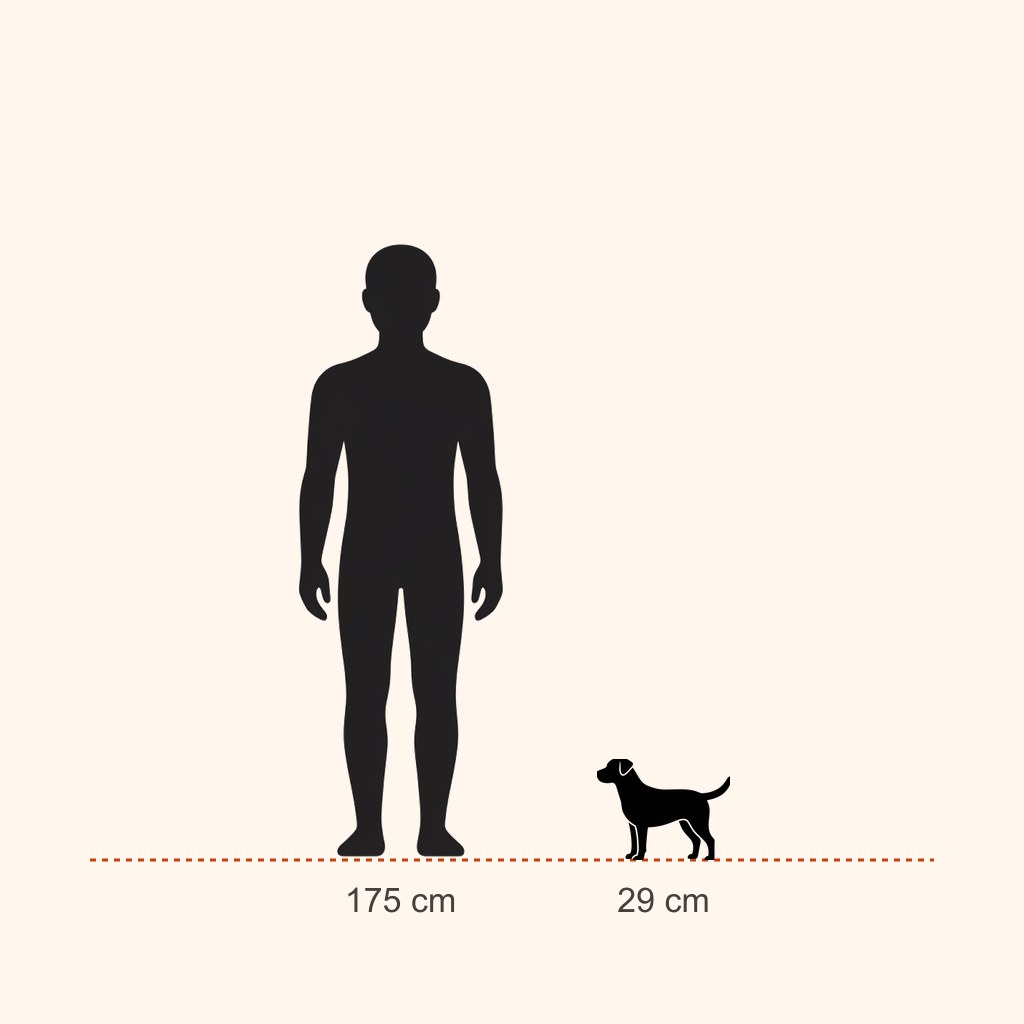
The Miniature Pinscher, or "Min Pin", is a German breed of around 4-5 kg with a short coat and enormous energy. Its high-stepping "hackney" gait is the breed's signature. Enthusiasts call it the King of Toys, and the nickname is earned: this dog considers itself the most important member of the household.
One misconception needs clearing up first: the Min Pin is not a miniature Doberman. The resemblance is misleading. The Min Pin descends from German ratting pinscher types, and its recorded history is older than the Doberman's; there is no "one is a shrunken version of the other" relationship between the two breeds.
| Situation | Suitability | Note |
|---|---|---|
| Apartment | Moderate | Size fits, but energy and barking must be managed |
| Family with young children | Moderate | Does not tolerate rough handling; can be impatient |
| First-time dog owner | Moderate | Clever but stubborn; you need to be good at setting limits |
| Alone 8+ hours a day | Poor | Bored dogs bark, dig, and destroy |
| House with a garden | Caution | An escape artist; gaps and fence lines must be sealed |
| Cold winters, unheated spaces | Poor | Single short coat; it feels the cold and needs a winter coat |
| Home with cats or small pets | Poor | High prey drive |
| Home that needs quiet | Poor | An alert watchdog and a vocal breed |
Before you adopt
The Miniature Pinscher does not appear on the usual restricted-breed lists, but dangerous-breed, registration, and microchipping rules vary by country; check your local regulations first.
Before you bring one home, go over your house. This breed gets through any gap its head fits into and shoots out of any door left ajar. The bottom of a garden fence, the gaps in a balcony railing, and the front door are all serious risk points. Escaping and getting lost is one of the main reasons Min Pins end up in shelters.
Ask the breeder for the parents' patella and eye examinations, and whether Legg-Calvé-Perthes disease has occurred in the line. The puppy should not leave its mother before eight weeks.
Check rehoming listings too: plenty of adult Min Pins are given up for their energy and their voice, and with an adult you can see the temperament from the start.
Temperament
The Min Pin is bold, curious, and relentless. You notice it the moment it enters a room; nothing escapes it and every noise gets investigated.
Its self-confidence is extraordinary for its size. It will challenge dogs many times larger, and that is the most common cause of serious injury in the breed. "It's small, nothing will happen" is a dangerous attitude; encounters with large dogs need managing.
The watchdog reflex is strong. It announces every movement at the door, in the lift, on the balcony. Barking is never eliminated entirely in this breed, but an early routine keeps it at a reasonable level.
It is intelligent but does not live to obey. In training it asks what is in it for the dog. Short, fast, reward-based sessions work best. House training takes the patience and consistency small breeds generally need.
Prey drive is high. With its ratting background, it chases any small creature that runs, which is why it is not safe off-lead in open ground.
Health issues and lifespan
Sources generally give a lifespan of 12-16 years; it is among the longer-lived breeds.
- Legg-Calvé-Perthes disease: Loss of blood supply to the head of the femur, which then degenerates. It affects toy and small breeds, usually puppies of 4-12 months. Signs: increasing lameness in one hind leg, reluctance to use it, muscle wastage, pain on touch. It is progressive; early diagnosis and usually surgery are needed. Do not write off a limping puppy as having "growing pains".
- Patellar luxation: The classic sign is a hind leg held up for a few strides. Mild cases are monitored, higher grades need surgery, and untreated cases lead to arthritis.
- Epilepsy (seizures): Reported in the breed. See a vet after the first seizure and record duration and frequency. A seizure lasting over five minutes, or repeated seizures back to back, is an emergency.
- Eye disease: Progressive retinal atrophy and cataracts are reported. Bumping into things in dim light, hesitant walking, and cloudiness in the eye should raise concern.
- Dental disease: A small jaw, crowded teeth, and early tartar. Bad breath is the first warning.
- Cold intolerance and injury risk: The single short coat means the dog chills quickly in winter. Jumping and falling from heights also raise fracture risk; use ramps to reduce sofa jumping.
Feeding
An adult Min Pin (4-5 kg) eats roughly 70-110 g of good-quality dry food a day, depending on the calorie density of the food and its activity level.
- Puppy: Small-breed puppy food, 3-4 meals a day. Long gaps between meals can drop blood sugar in very small puppies.
- Adult: Two meals a day. This breed gains weight easily and is extremely persuasive about food; do not give in.
- Senior: Fewer calories, with joints and teeth monitored.
Excess weight in this breed loads the knees and hips directly. The ribs should be easy to feel and there should be a visible waist from above. Treats should stay a small share of daily calories.
Grooming and coat
A short, hard, glossy single coat. Grooming is the easy part of this breed.
- A weekly brush or a wipe with a rubber mitt is enough. It sheds lightly all year.
- Baths are rare; wiping with a damp cloth usually does the job.
- A coat or jumper in winter is a genuine need, not decoration. In cold regions the dog should not stay outdoors for long.
- In summer, the thin coat can let the skin burn in direct sun; prefer shade and cooler hours.
- Check the ears weekly.
- Nails every 3-4 weeks; teeth brushed daily if possible.
Training and exercise
Daily needs: 45-60 minutes of total activity (two walks plus play). Small does not mean low exercise; a Min Pin whose energy goes unspent finds work to do indoors.
Priorities:
- Escape safety. Door-waiting exercises, a double-door routine, a secure harness, and an ID tag. This is the single most vital training item in the breed.
- Socialisation (8-16 weeks). Different people, dogs, and environments. Poor socialisation turns into reactive barking in this breed.
- Barking management. "Tell me, then quiet"; reacting while the dog barks feeds the behaviour.
- Recall. It has to be trained despite the prey drive; start at short distances with high-value rewards.
- Mental work. Scent games, food puzzles, short trick sessions. This breed enjoys thinking.
Harsh methods produce resistance and defensiveness in a Min Pin. Consistent rules, clear limits, and reward-based work give the best results.
History
The Miniature Pinscher descends from the pinscher-type dogs that hunted rats in German stables and storehouses. Its German name is Zwergpinscher, and the FCI recognised the breed definitively in 1955; it sits in the same group as the Doberman (Pinscher and Schnauzer), but that is a matter of type, not ancestry.
Older German sources also call the breed "Reh Pinscher", a name that comes from the resemblance of its fine-boned build and high-stepping gait to the small red deer (Reh) of German forests.
The confusion with the Doberman arises because both breeds come from Germany and share similar colour patterns. Yet the Min Pin's ratting history predates the development of the Doberman as a protection dog in the late nineteenth century.
The breed reached America in the early twentieth century and quickly became popular. Today it lives mostly as a companion, but its prey drive, alertness, and energy are still the inheritance of ancestors that chased rats around a stable.
This guide is for information only and is not a substitute for veterinary advice. Prices are approximate and vary by region and time.
Adoption Prep Checklist
Housing
-
Small-breed dog bed
A comfortable bed supports joint health.
Feeding
-
Small-breed dog food
Food matched to breed size gives the right nutritional balance.
-
Food and water bowl set
Needed for daily feeding and water access.
Grooming
-
Short-hair dog brush
Regular brushing reduces shedding and matting.
-
Dog nail clippers
Regular nail care matters for healthy walking.
-
Dog shampoo
Use a dog-specific shampoo for skin and coat health.
Walking & Activity
-
Dog leash and collar set
Needed for safe walks.
-
Plush dog toy
Mental and physical stimulation reduces behavior problems.
Training
-
Training treats / beginner training guide
Basic obedience training is recommended for first-time dog owners.
Frequently Asked Questions
Does the Miniature Pinscher shed?
Shedding is low. Brushing once a week is usually enough, with a mild increase during seasonal changes.
Can the Miniature Pinscher live in an apartment?
Yes. It lives comfortably in an apartment as long as its daily needs are met. What matters is not floor area but consistent exercise and mental stimulation.
Is the Miniature Pinscher good with children?
Generally yes. It adapts well to families with children. Even so, interactions should be supervised and children taught to respect the animal’s boundaries.
Is the Miniature Pinscher suitable for first-time dog owners?
Yes. Its care and training are relatively forgiving, which makes it a sound choice for first-time owners.
How much exercise does the Miniature Pinscher need?
It needs a moderate amount of exercise. Daily activity plus some play time makes for a balanced routine.
Can the Miniature Pinscher be left alone during the day?
It can be left alone for a few hours. Long, routine absences can bring on boredom-driven behaviour problems; enrichment and a predictable routine reduce that risk.
How long does the Miniature Pinscher live?
The Miniature Pinscher lives 14-16 years on average. Diet, regular veterinary check-ups and early screening for hereditary conditions all affect this directly.
Where does the Miniature Pinscher come from?
The Miniature Pinscher originates from Germany. The geography a breed was developed in, and the job it was bred for, explain much of its temperament and care needs today.