

Maltese
The image on this page is AI-generated and does not depict a real animal.
- Species
- Dog
- Origin
- Italy/Malta
- Size
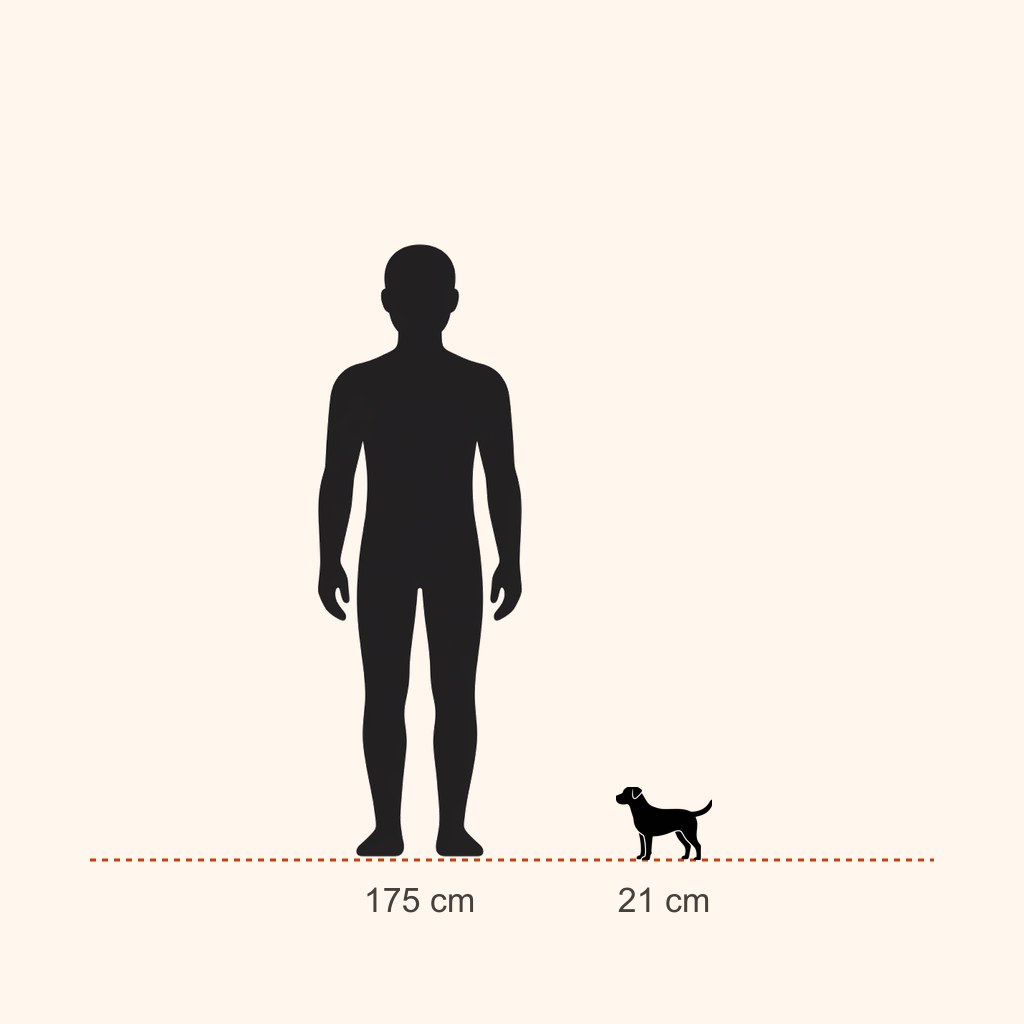
- Very Small
- Lifespan
- 12-14 years
- Temperament
- Affectionate outgoing playful elegant
- Description
Known for its elegant posture and cotton-white coat, an affectionate small lap dog.
- Physical Traits
Long, straight, silky pure white coat, a small black nose, a very small elegant body.
- Care / Environment Info
Very suitable for apartment living. Its human-hair-like coat sheds little but requires daily brushing. Low exercise needs. Tear staining under the eyes is a common grooming concern.
Maltese Owner's Guide
Last updated:
Is a Maltese right for you?
The Maltese is one of the oldest companion breeds, known for its white silky coat and affectionate temperament. A 3-4 kg dog, cheerful and devoted to people. Its lack of shedding is the most common reason for choosing it.
| Situation | Suitability | Note |
|---|---|---|
| Apartment | Perfect | A small space is enough, exercise needs are low |
| Family with young children | Caution | Fragile; the risk of falls and crushing is serious |
| First-time dog owner | Good | Easy temperament; grooming discipline is required |
| Alone 8+ hours a day | Very poor | One of the most dependent breeds; separation anxiety is very common |
| Household with fur allergies | One of the best options | Sheds almost nothing, though calling it "non-allergenic" is wrong |
| Home without a grooming budget | Poor | Regular clipping or daily brushing is essential |
| Home needing quiet | Moderate | Can be vocal; manageable with training |
The most important thing to know about this breed: the Maltese was not made for solitude. For centuries its only job has been to keep people company.
Before you adopt
Avoid unusually small individuals sold as "teacup Maltese"; their health problems last a lifetime.
Ask the breeder for patella evaluation, cardiac and eye examinations, and information about liver shunt in the line.
Meet the mother and check that the puppy has stayed with her for at least eight weeks. Early weaning is common in small breeds and causes lasting behavioural problems.
Maltese and their mixes appear in breed rescues; adopting an adult means the coat care needs and temperament are already visible.
Temperament
The Maltese is cheerful, affectionate, and playful. Devotion to people defines the breed; it wants to be in your lap, to follow you, and to sleep beside you.
It is bold and does not know its own size; it may challenge large dogs. The owner must prevent this.
It can be wary of strangers and will announce them. Untrained, this turns into excessive barking.
It is intelligent and enjoys learning; trick training is easy in this breed.
Its energy is moderate but it is not inactive; it wants daily play.
Separation anxiety is the most common behavioural problem in this breed.
Health issues and lifespan
Average lifespan is 12 to 15 years.
- Patellar luxation: Very common in small breeds; the sign is holding one leg up for a few steps.
- Tracheal collapse: A goose-honk cough. A harness should be used.
- Dental disease: The most common chronic problem. A small jaw, crowded teeth, early tooth loss. Regular brushing is essential.
- Portosystemic shunt (liver shunt): More common in this breed than in others. Poor growth, lethargy after meals, behavioural change.
- Hypoglycaemia: In puppies; trembling, weakness. Prevented with frequent meals.
- Tear staining: Brown to reddish stains below the eyes. Usually cosmetic, but a blocked tear duct or allergy may lie beneath; persistent watering should be investigated.
- White shaker syndrome: A neurological condition seen in small white breeds causing whole-body tremor. It responds well to treatment.
- Heart valve disease: Mitral valve insufficiency occurs in old age.
Feeding
An adult Maltese (3-4 kg) eats 60-100 g of small-kibble dry food per day.
- Puppy (2-10 months): Small-breed puppy food, three to four meals a day.
- Adult: Very small kibble, two meals a day.
- Senior (9+ years): Softened food if teeth are missing; monitor liver and cardiac values.
In individuals with tear staining, some food additives and minerals in tap water may play a role; filtered water can be tried.
Watch treat quantities; for a 3 kg dog two biscuits are a significant part of the daily requirement.
Grooming and coat
The Maltese coat is single-layered, has no undercoat, and grows continuously. That means little shedding but intensive care.
Two options:
- Long coat: daily brushing is required; matting is rapid.
- Short clip: grooming every six to eight weeks; brushing two or three times a week is then enough. The right choice for most homes.
Shared care:
- Bathe every three to four weeks; a white coat soils easily.
- The area around the eyes must be wiped daily. Removing discharge before it dries is the most effective way to reduce staining.
- Wipe the mouth area after meals; food stains show on white hair.
- Teeth must be brushed at least three times a week.
- Hair in the ear canal should be checked.
- Nails every three to four weeks.
- Clothing in winter is a genuine need; there is no undercoat.
Training and exercise
Daily requirement: 30 to 45 minutes. Short walks and indoor play.
Priorities:
- Being alone. The most critical item in this breed. Start with short separations in puppyhood; once anxiety sets in it is hard to resolve.
- Barking control. A "quiet" cue should be taught early.
- Socialisation (8-16 weeks). Put the dog down and introduce it to different environments and dogs.
- House training. Patience is needed in small breeds; consistency is essential.
- Tolerating grooming. Brushing, drying, and the grooming table should be introduced with rewards in puppyhood.
- Harness.
The most common mistake with small dogs is allowing, because of size, behaviour that would not be accepted in a large dog. The rules should not change with size.
History
The Maltese is one of the oldest known companion breeds, with origins traced to the Mediterranean basin and probably to the island of Malta. Ancient Greek and Roman sources mention small white dogs of this type, and it is accepted that Aristotle referred to one in his writings.
In the Roman period it was a favourite of noble women and was depicted in mosaics and on vases. Through the Middle Ages and the Renaissance it spread through European courts and appears frequently in paintings.
The breed's function was never hunting or guarding; for centuries its only role was to accompany people. Its present-day dependence on people is a direct consequence of that history.
It was standardised in England in the 19th century and recognised by the Kennel Club. The breed standard today accepts only the colour white.
This guide is for information only and is not a substitute for veterinary advice. Prices are approximate and vary by region and time.
Adoption Prep Checklist
Housing
-
Small-breed dog bed
A comfortable bed supports joint health.
Feeding
-
Small-breed dog food
Food matched to breed size gives the right nutritional balance.
-
Food and water bowl set
Needed for daily feeding and water access.
Grooming
-
Short-hair dog brush
Regular brushing reduces shedding and matting.
-
Dog nail clippers
Regular nail care matters for healthy walking.
-
Dog shampoo
Use a dog-specific shampoo for skin and coat health.
Walking & Activity
-
Dog leash and collar set
Needed for safe walks.
-
Plush dog toy
Mental and physical stimulation reduces behavior problems.
Training
-
Training treats / beginner training guide
Basic obedience training is recommended for first-time dog owners.
Frequently Asked Questions
Does the Maltese shed?
Shedding is low. Brushing once a week is usually enough, with a mild increase during seasonal changes.
Can the Maltese live in an apartment?
Yes. It lives comfortably in an apartment as long as its daily needs are met. What matters is not floor area but consistent exercise and mental stimulation.
Is the Maltese good with children?
Caution is warranted. With proper socialisation and adult supervision it can live with children, but it is not a first choice for homes with young children.
Is the Maltese suitable for first-time dog owners?
Yes. Its care and training are relatively forgiving, which makes it a sound choice for first-time owners.
How much exercise does the Maltese need?
Its energy level is low. Short, regular activity is enough; strenuous exercise is not required.
Can the Maltese be left alone during the day?
It can be left alone for a few hours. Long, routine absences can bring on boredom-driven behaviour problems; enrichment and a predictable routine reduce that risk.
How long does the Maltese live?
The Maltese lives 12-14 years on average. Diet, regular veterinary check-ups and early screening for hereditary conditions all affect this directly.
Where does the Maltese come from?
The Maltese originates from Italy/Malta. The geography a breed was developed in, and the job it was bred for, explain much of its temperament and care needs today.