

Lhasa Apso
The image on this page is AI-generated and does not depict a real animal.
- Species
- Dog
- Origin
- Tibet
- Size
- Small
- Lifespan
- 14-16 years
- Temperament
- Independent alert confident loyal
- Description
Originally bred as a monastery guard dog, a small breed with an independent character.
- Physical Traits
Long, straight, lush coat (various colors), long fringes covering the eyes, a small compact body.
- Care / Environment Info
Suitable for apartment living. Its long coat sheds moderate-to-heavily, requiring regular brushing/clipping. Low-to-moderate exercise needs. Has an independent and aloof character.
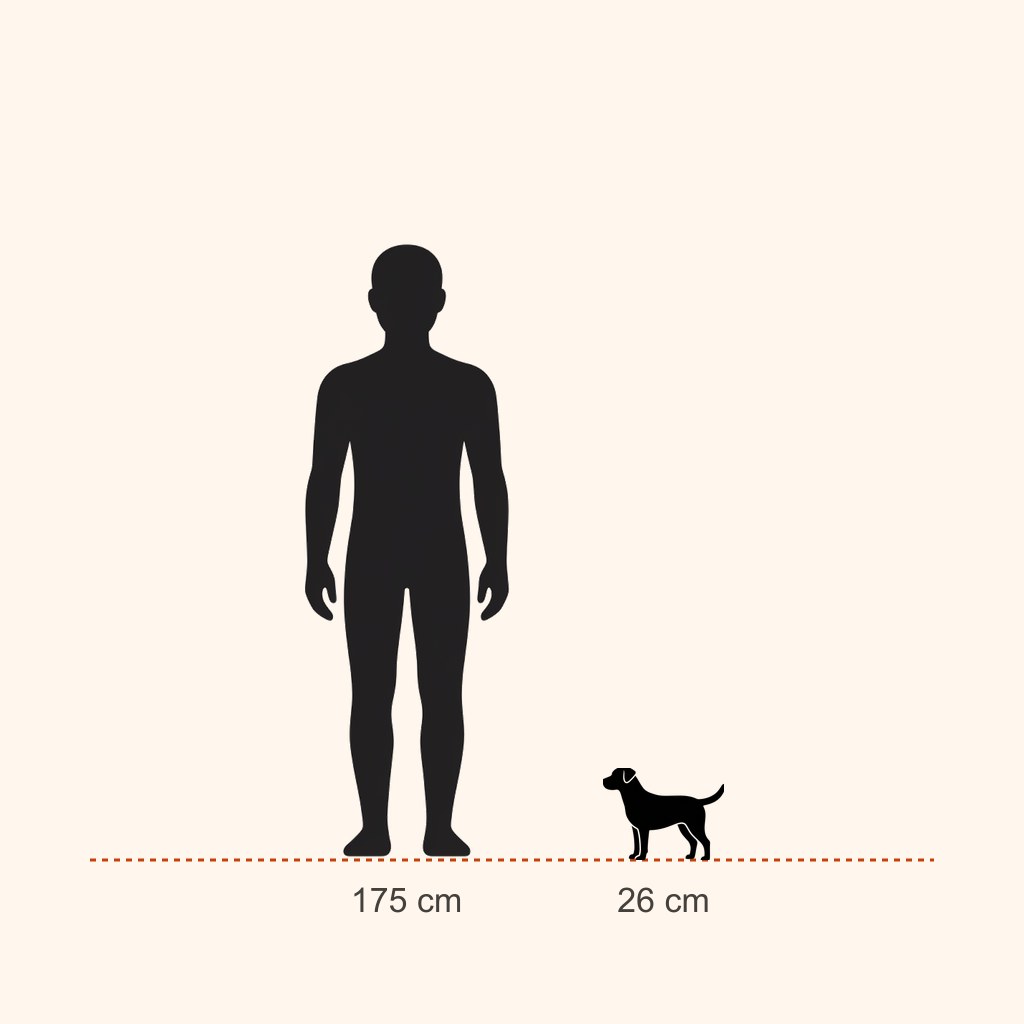
Lhasa Apso Owner's Guide
Last updated:
Is a Lhasa Apso right for you?
The Lhasa Apso was the indoor sentinel of Tibetan monasteries and noble houses. The heavy work at the gate belonged to large dogs; the Lhasa moved through the rooms and raised the alarm whenever it heard something it did not recognise. The 6-8 kg, long-coated dog in front of you today is still ready to do that job. Do not be fooled by the lap-dog looks: this breed is independent, self-assured, and watchful.
| Situation | Suitability | Note |
|---|---|---|
| Apartment | Good | Size is no issue; managing the barking is |
| Family with young children | Moderate | Dislikes being grabbed or squeezed; better with school-age children |
| First-time dog owner | Moderate | Charming temperament, but training runs through stubbornness |
| Alone 8+ hours a day | Moderate | Its independence helps, but it still needs a midday break |
| Household with no grooming time | Poor | The full coat needs combing every other day, or a short clip |
| Household with fur allergies | Moderate | Sheds little, but is not "allergen free" |
| Hot climate without air conditioning | Moderate | Thick double coat; dislikes heat |
| Home that needs quiet | Poor | Watchdog reflex is built into the breed |
People who love this breed tend to say the same thing: a Lhasa does not worship you, it chooses you. Aloof with strangers, clownish with its family. If you want a dog that eagerly performs every cue, this breed will disappoint you.
Before you adopt
The Lhasa Apso is not on any of the common restricted-breed lists, but rules on dangerous or restricted breeds, registration, and microchipping differ from country to country. Check your local regulations before you commit.
If you are buying a puppy, ask two questions: about eye examinations of the parents, and about kidney disease in the line. Hereditary renal dysplasia is the breed's most serious genetic problem, and an apparently healthy puppy may show no signs until around a year of age. "We've never had a problem" is not an answer; ask directly about early deaths in the line.
Look at rescue and rehoming listings as well. Lhasa Apsos often end up there because the coat care became too much or the barking caused complaints. Taking on an adult means you can see the temperament from day one.
Temperament
The Lhasa Apso is confident, alert, and slightly mischievous. It clowns around the house, invents games, then retires to its own corner to observe. That double nature is the breed's signature.
It is measured with strangers. Barking is its thousand-year-old job: announce whoever is at the door. You cannot delete that reflex, but a "tell me, then quiet" routine keeps it reasonable. Early socialisation prevents the alarm from turning into anxious, constant triggering.
It is stubborn. Intelligent as it is, it bores quickly of repetitive obedience drills. Short, reward-based, playful sessions work; harsh tones and force do the opposite and make the dog shut down.
Despite its size, it thinks it is a big dog. It may challenge much larger dogs in the park, and that is where most serious accidents in this breed happen. Managing encounters with unfamiliar dogs is your job.
Health issues and lifespan
Sources generally give a lifespan of 12-15 years, and well-cared-for individuals often live longer.
- Hereditary renal dysplasia: The breed's most serious inherited problem. The kidneys fail to mature normally before birth. Signs can appear anywhere from a few weeks to several years of age: excessive drinking and urination, poor appetite, vomiting, weight loss. In a young dog with these signs, blood and urine tests should not be delayed.
- Eye disease: Dry eye (KCS), cataracts, glaucoma, and progressive retinal atrophy are all reported in the breed. Constant watering, sticky discharge, cloudiness, redness, or sudden signs of pain (holding the eye shut) all mean a vet visit. Glaucoma is an emergency.
- Patellar luxation: The classic sign is a hind leg held up for a few strides before the dog carries on normally. Mild cases are monitored with weight control; higher grades need surgery.
- Dental and gum disease: Crowded teeth in a small jaw invite tartar and gingivitis. Bad breath is the first warning.
- Heat and breathing sensitivity: The Lhasa has a shortened muzzle, though far less extreme than a Pekingese. Snoring, rapid breathing, and quick fatigue can appear in hot weather; skip walks during the hottest hours.
- Ear and skin problems: The hairy, drop ear canal traps moisture. Scratching, head shaking, and odour signal infection. Skin sores can also hide under matted coat.
Feeding
An adult Lhasa Apso (6-8 kg) eats roughly 90-140 g of good-quality dry food a day. Activity level, neutering status, and the calorie density of the food all shift that range; the real measure is the scale and the waistline.
- Puppy (2-12 months): Small-breed puppy food, 3-4 meals a day. Long gaps between meals can drop blood sugar in very small puppies.
- Adult: Two meals a day. Treats should stay a small fraction of daily calories.
- Senior (8+ years): Have kidney values checked annually. If kidney disease is found, the diet is adjusted by your vet; do not restrict protein on your own.
Extra weight in this breed loads the knees and spine. Fatty table scraps mean both weight gain and digestive trouble.
Grooming and coat
A long, straight, hard outer coat over a softer undercoat. It sheds little but demands work.
- If the full coat is kept, combing every other day is mandatory, and the comb must reach the skin.
- The practical alternative is a short "puppy cut": a groomer every 6-8 weeks, but far less daily work.
- Hair around the eyes must be trimmed regularly; hair in the eye causes corneal injury.
- Tear staining under the eyes should be wiped daily with a damp cloth.
- Check the ear canals weekly for excess hair and debris.
- Keep the hair around the anus and belly short, or faeces will stick and irritate the skin.
- Nails every 3-4 weeks; teeth brushed daily if possible.
Training and exercise
Daily needs are modest: 30-45 minutes of walking in total, plus indoor play. The Lhasa is not a running partner; what it really needs is mental occupation. Scent games, food puzzles, and short trick sessions do more for this breed than extra distance.
Priorities:
- Socialisation (8-16 weeks). The most critical item, given the breed's reserve. Different people, sounds, and surfaces prevent timidity.
- Barking management. Teach a "tell me, then quiet" routine at the door; shouting over the barking only adds volume.
- Handling and grooming. If a puppy is not taught to accept the comb, nail clippers, and ear cleaning with rewards, you will wrestle for a lifetime.
- Recall. It takes patience with an independent breed; start at short distance with high-value rewards.
- Being alone. Build up gradually with short separations.
Punishment-based methods damage trust in this breed. Consistency and short sessions give the best results.
History
The Lhasa Apso has lived in the monasteries and noble households of the Tibetan plateau for well over a thousand years. Its name comes from Lhasa, the Tibetan capital. Its job was not to guard livestock or the gate but to report what was happening indoors; the outdoor work belonged to large dogs such as the Tibetan Mastiff.
In Tibetan culture these dogs were not sold but given as gifts, and that is how the breed reached the West: individuals sent from Tibet in the early twentieth century founded the British and later American lines.
The long, floor-length coat was never decorative. It was functional protection in the harsh climate of high altitude. Many owners today choose a short clip for practical reasons, and that choice does the dog no harm.
This guide is for information only and is not a substitute for veterinary advice. Prices are approximate and vary by region and time.
Adoption Prep Checklist
Housing
-
Small-breed dog bed
A comfortable bed supports joint health.
Feeding
-
Small-breed dog food
Food matched to breed size gives the right nutritional balance.
-
Food and water bowl set
Needed for daily feeding and water access.
Grooming
-
De-shedding brush
Regular brushing reduces shedding and matting.
-
Dog nail clippers
Regular nail care matters for healthy walking.
-
Dog shampoo
Use a dog-specific shampoo for skin and coat health.
Walking & Activity
-
Dog leash and collar set
Needed for safe walks.
-
Plush dog toy
Mental and physical stimulation reduces behavior problems.
Frequently Asked Questions
Does the Lhasa Apso shed?
It sheds heavily, especially at seasonal changes. Expect near-daily brushing and regular cleaning at home; it is not a good choice for anyone sensitive to pet hair.
Can the Lhasa Apso live in an apartment?
Yes. It lives comfortably in an apartment as long as its daily needs are met. What matters is not floor area but consistent exercise and mental stimulation.
Is the Lhasa Apso good with children?
Caution is warranted. With proper socialisation and adult supervision it can live with children, but it is not a first choice for homes with young children.
Is the Lhasa Apso suitable for first-time dog owners?
Partly. Someone with basic experience will manage well, but it would not be the first choice for a complete beginner.
How much exercise does the Lhasa Apso need?
Its energy level is low. Short, regular activity is enough; strenuous exercise is not required.
Can the Lhasa Apso be left alone during the day?
It tolerates being alone well. That makes it workable for someone employed full time, though it will still expect attention and activity on your return.
How long does the Lhasa Apso live?
The Lhasa Apso lives 14-16 years on average. Diet, regular veterinary check-ups and early screening for hereditary conditions all affect this directly.
Where does the Lhasa Apso come from?
The Lhasa Apso originates from Tibet. The geography a breed was developed in, and the job it was bred for, explain much of its temperament and care needs today.