

French Bulldog
The image on this page is AI-generated and does not depict a real animal.
- Species
- Dog
- Origin
- France
- Size
- Small
- Lifespan
- 10-12 years
- Temperament
- Affectionate adaptable playful easygoing
- Description
Very suited to city life, calm and loving, a small breed popular for apartment living.
- Physical Traits
Short smooth coat, a flat broad nose (brachycephalic face), characteristic 'bat ears', a compact muscular body.
- Care / Environment Info
Very suitable for apartment living. Its short coat sheds little, easy to maintain. Low-to-moderate exercise needs. Its flat-nosed structure (brachycephaly) makes it intolerant of heat and intense exercise, snoring and breathing difficulty can occur; caution needed in hot weather.
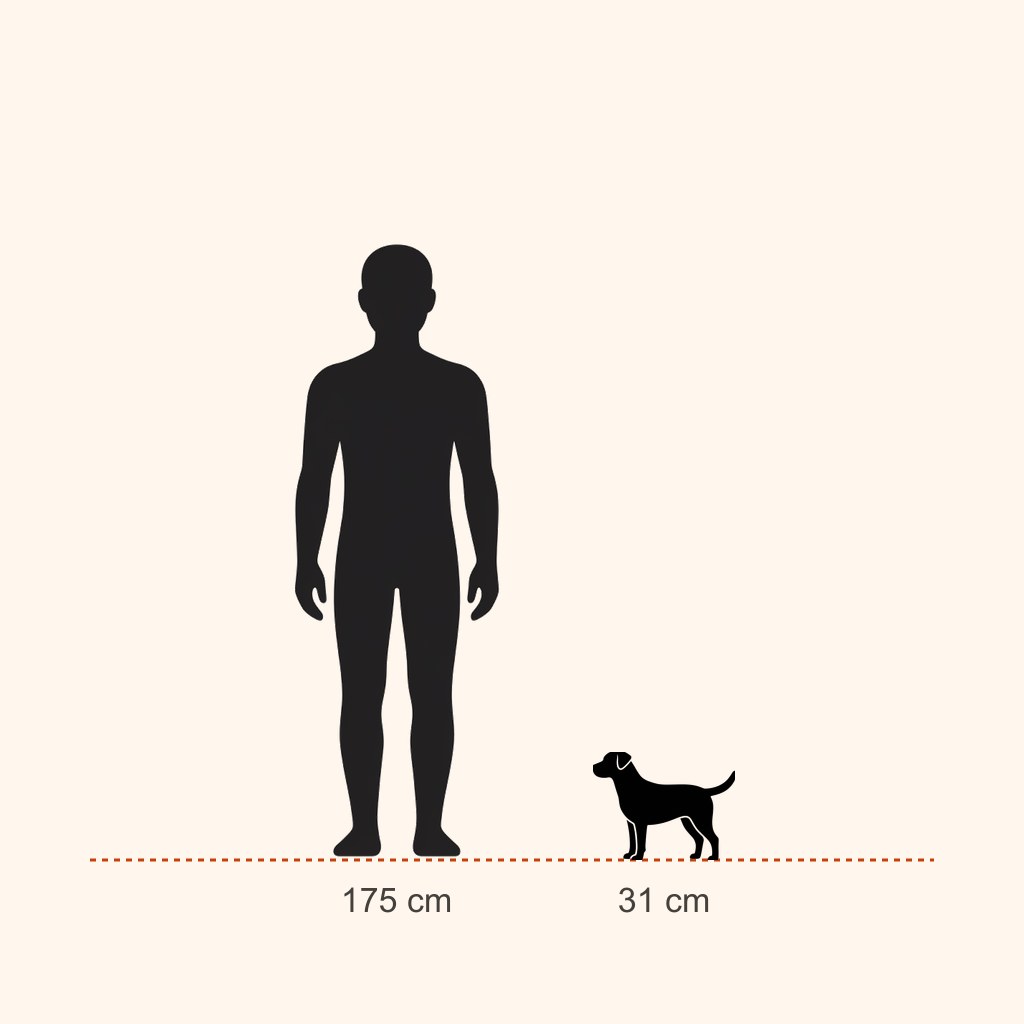
French Bulldog Owner's Guide
Last updated:
Is a French Bulldog right for you?
The French Bulldog has become one of the most popular breeds in the world, and that popularity has cost the breed dearly in health terms. It is a charming, calm dog very well suited to apartments; in return it needs lifelong health monitoring because of its airway structure. Read the health section before deciding on this breed.
| Situation | Suitability | Note |
|---|---|---|
| Apartment | Excellent | Low exercise needs, quiet |
| Family with young children | Excellent | Patient and playful |
| First-time dog owner | Good | Moderate training difficulty, simple grooming |
| Alone 8+ hours a day | Moderate | Very attached to people; long absences cause anxiety |
| Household with fur allergies | Moderate | Short coat, low to moderate shedding |
| Hot climate | Poor | High heat-stroke risk; must not go out in midday summer heat |
| Swimming, long walks, running | Not suitable | Cannot swim, cannot sustain prolonged effort |
The real question with this breed is budget and realism: are you prepared for veterinary costs? Large-scale VetCompass data from the UK shows French Bulldogs at markedly higher risk than other breeds for a number of common disorders.
Before you adopt
Avoid puppies that breathe noisily at rest, tire quickly during exercise, or have nearly closed nostrils. Support breeders who select for open nostrils and longer muzzles; they are doing the right thing for the breed's future.
Ask for hip certification, patella evaluation, and spine x-rays for the parents. Also ask about the breathing assessment of the parents; grading schemes such as the UK BOAS scheme are spreading in this breed.
Note that whelping in this breed almost always requires a caesarean section. Do not consider breeding from a French Bulldog.
French Bulldogs appear in shelters and breed rescues more often than the price tag would suggest, frequently surrendered because of health costs. Adopting an adult means the airway situation is already visible.
Temperament
The French Bulldog is calm, affectionate, and comic. It barks little, which makes it ideal for apartments. It wants to be near people; sleeping at your feet is its favourite activity.
It is generally tolerant of children and other pets. It is friendly toward strangers, so do not expect guarding.
It has a stubborn streak: when it does not want to do something, it will not. Training should be reward-based and delivered in short sessions. Dependence on people is high, and separation anxiety is common in this breed.
Health issues and lifespan
Average lifespan is 10 to 12 years. Read this section carefully; the health burden is markedly heavier than in other small breeds.
- Brachycephalic obstructive airway syndrome (BOAS): Breathing difficulty caused by the shortened muzzle. Noisy breathing, snoring, rapid exhaustion during exercise, bluish tongue. Severe cases require nostril widening and soft palate surgery. The snoring considered "normal" in this breed is in fact a sign of disease.
- Heat stroke: Cooling capacity is low because of BOAS. Take care above 25 °C and do not go out above 30 °C. Never leave the dog alone in a vehicle.
- Spinal problems: The short, screw-tail structure is associated with vertebral anomalies (hemivertebrae). Signs are hind-limb weakness, gait disturbance, and pain. Intervertebral disc disease also occurs.
- Skin fold dermatitis: Fungi and bacteria multiply if the facial folds stay damp. Daily wiping and drying are required.
- Allergies: Itching, redness, recurrent ear infections. Very common in this breed and may require lifelong management.
- Eye problems: Corneal ulcers (the protruding eyes are exposed to injury) and prolapse of the third eyelid gland (cherry eye).
Feeding
An adult French Bulldog (9-14 kg) eats 150-200 g of quality dry food per day. Weight control is directly linked to respiratory health in this breed: excess weight further constricts an already narrow airway.
- Puppy (2-12 months): Small-breed puppy food, three meals a day.
- Adult: 22-26% protein. If allergy is suspected, limited-ingredient or single-protein food may be tried under veterinary supervision.
- Senior (8+ years): Calories reduced.
Use a slow-feeder bowl. Short-muzzled breeds swallow a lot of air while eating, which causes gas and bloating. Allow a rest period after meals.
Grooming and coat
Coat care is easy; skin care is what matters.
- A rubber brush once a week is enough.
- The facial folds must be wiped with a damp cloth and dried thoroughly every day. This is the breed's most critical daily grooming task.
- The fold under the tail must also be checked; inflammation is common in dogs with tight screw tails.
- Bathe every four to six weeks with a skin-friendly shampoo.
- Ears weekly; erect ears collect dust.
- Nails every three to four weeks, teeth several times a week.
Training and exercise
Daily requirement: 30 to 45 minutes in short segments. Walk in the early morning and evening cool. Do not push in heat, uphill, or over long distances.
Swimming: French Bulldogs cannot swim. Their heavy bone structure and short muzzle cause them to sink. Never leave one near a pool, the sea, or a lake without a life jacket.
Priorities:
- Heat awareness. What the owner must learn: extremely noisy breathing, a tongue turning purple or blue, and inability to stand are an emergency; cool the dog and go straight to a vet.
- Socialisation (8-16 weeks).
- Harness. A neck collar constricts the airway further.
- Basic obedience. Short, playful sessions; this breed tires of long repetition.
- Being alone. Gradual conditioning prevents separation anxiety.
History
The breed arose from the small bulldogs kept by lace workers in the Nottingham area of 19th-century England. When the Industrial Revolution pushed those workers to migrate to France, their dogs went with them and crossed with local terriers to form the modern type. It quickly became popular in Paris, fashionable in cafés and artistic circles, which is where the name comes from. The erect "bat ear" entered the standard at the insistence of American breeders; the English preferred a rose ear. Over the last twenty years the breed's popularity has exploded worldwide, and that rise has brought health problems with it. Breed clubs today are debating a shift toward longer-muzzled dogs that can breathe.
This guide is for information only and is not a substitute for veterinary advice. Prices are approximate and vary by region and time.
Adoption Prep Checklist
Housing
-
Small-breed dog bed
A comfortable bed supports joint health.
Feeding
-
Small-breed dog food
Food matched to breed size gives the right nutritional balance.
-
Food and water bowl set
Needed for daily feeding and water access.
Grooming
-
Short-hair dog brush
Regular brushing reduces shedding and matting.
-
Dog nail clippers
Regular nail care matters for healthy walking.
-
Dog shampoo
Use a dog-specific shampoo for skin and coat health.
Walking & Activity
-
Dog leash and collar set
Needed for safe walks.
-
Plush dog toy
Mental and physical stimulation reduces behavior problems.
Frequently Asked Questions
Does the French Bulldog shed?
Shedding is low. Brushing once a week is usually enough, with a mild increase during seasonal changes.
Can the French Bulldog live in an apartment?
Yes. It lives comfortably in an apartment as long as its daily needs are met. What matters is not floor area but consistent exercise and mental stimulation.
Is the French Bulldog good with children?
Generally yes. It adapts well to families with children. Even so, interactions should be supervised and children taught to respect the animal’s boundaries.
Is the French Bulldog suitable for first-time dog owners?
Partly. Someone with basic experience will manage well, but it would not be the first choice for a complete beginner.
How much exercise does the French Bulldog need?
Its energy level is low. Short, regular activity is enough; strenuous exercise is not required.
Can the French Bulldog be left alone during the day?
It can be left alone for a few hours. Long, routine absences can bring on boredom-driven behaviour problems; enrichment and a predictable routine reduce that risk.
How long does the French Bulldog live?
The French Bulldog lives 10-12 years on average. Diet, regular veterinary check-ups and early screening for hereditary conditions all affect this directly.
Where does the French Bulldog come from?
The French Bulldog originates from France. The geography a breed was developed in, and the job it was bred for, explain much of its temperament and care needs today.