

Cavalier King Charles Spaniel
The image on this page is AI-generated and does not depict a real animal.
- Species
- Dog
- Origin
- England
- Size
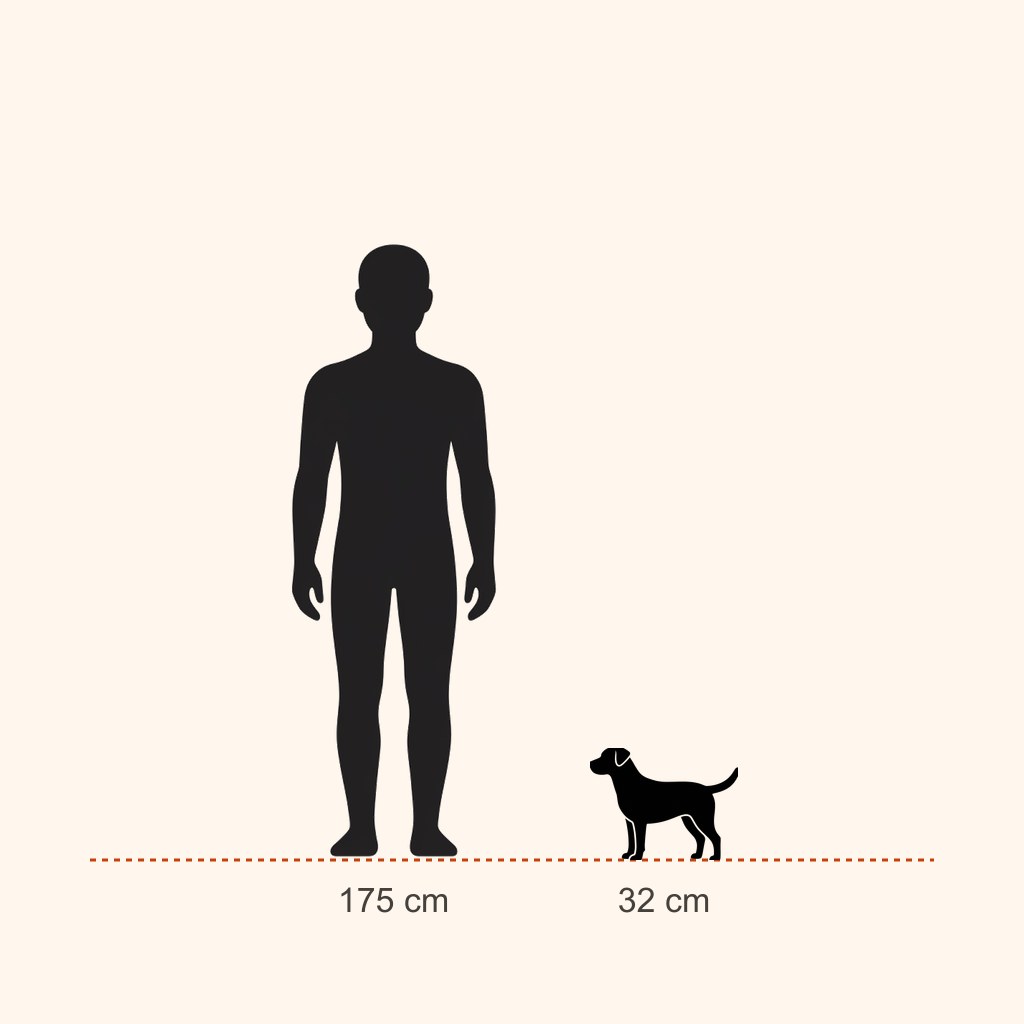
- Small
- Lifespan
- 12-15 years
- Temperament
- Affectionate gentle patient friendly
- Description
Very affectionate and adaptable, a lap dog that gets along well with both children and other pets.
- Physical Traits
Long silky wavy coat (usually chestnut-white or black-tan), large round eyes, long drooping ears.
- Care / Environment Info
Suitable for apartment living. Its long silky coat sheds moderately, requiring regular brushing. Moderate exercise needs. Prone to heart conditions (mitral valve disease), regular veterinary checkups are important.
Cavalier King Charles Spaniel Owner's Guide
Last updated:
Is a Cavalier King Charles Spaniel right for you?
In temperament the Cavalier may be the easiest of all dog breeds: soft, affectionate, adaptable, and able to get on with anyone. The problem is not temperament but health. Cardiac and neurological disease are so widespread in this breed that this knowledge must sit at the centre of the adoption decision.
| Situation | Suitability | Note |
|---|---|---|
| Apartment | Perfect | Small, quiet, adaptable |
| Family with young children | Perfect | Patient and gentle; the breed's greatest strength |
| First-time dog owner | Excellent | Easy to train and easy in temperament |
| Alone 8+ hours a day | Very poor | One of the most dependent breeds; separation anxiety is very common |
| Household with fur allergies | Poor | Long silky coat, sheds regularly |
| Older or less active owner | Excellent | Moderate exercise needs, enjoys the lap |
| Low veterinary budget | Not suitable | Heart disease is almost inevitable in this breed |
The most honest warning: the large majority of this breed will develop mitral valve disease if they live long enough. Adopt knowing and preparing for this.
Before you adopt
Breeder selection is vital here. Some breeders follow the MVD (mitral valve) screening protocol: parents are auscultated by a cardiologist at specific ages and only bred from if no murmur is present. Others carry out MRI screening for syringomyelia. Asking for these documents is the single most important thing you can do for the breed's future.
Cavaliers appear in breed rescues; adopting an adult means the cardiac status can be assessed in advance.
Temperament
The Cavalier is one of the most adaptable breeds. It becomes a walking companion in an active family and a lap dog in a quiet home; it fits its environment.
It is extremely affectionate, friendly even with strangers, so do not expect guarding. It is tolerant of children, dogs, and cats.
Closeness to people is a need in this breed. It follows you, sits beside you, climbs into your lap. Left alone, it is at high risk of developing separation anxiety.
Because of its spaniel background it has a prey drive and may chase birds and small animals. A garden fence and a lead matter.
It is easy to train; it wants to please and is motivated by food.
Health issues and lifespan
Average lifespan is 12 to 15 years, though in practice it can be shorter because of cardiac disease.
- Mitral valve disease (MVD): The breed's central problem. Deterioration of the heart valve, first a murmur and then heart failure. It can begin at a very young age in this breed and is many times more common than in others. An annual cardiac auscultation from age one, and echocardiography once a murmur is heard, are necessary. Early diagnosis and medication slow progression and extend life.
- Syringomyelia (SM): Fluid-filled cavities in the spinal cord caused by a skull too small for the brain. Signs: scratching at the neck and shoulder (particularly when a collar is put on or during excitement), scratching at the air, signs of pain, sensitivity to touch. It is painful and requires lifelong management. Diagnosed by MRI.
- Patellar luxation: Common in small breeds.
- Eye problems: Cataracts, retinal dysplasia, dry eye.
- Ear infections: Long, hairy drop ears; weekly checks are needed.
- Obesity: It has a good appetite, and weight directly increases cardiac load. Weight control here is a cardiological matter.
- Episodic falling syndrome: A breed-specific transient muscle stiffness and collapse triggered by exercise or excitement; a genetic test exists.
Feeding
An adult Cavalier (5.5-8 kg) eats 120-180 g of quality dry food per day.
- Puppy (2-12 months): Small-breed puppy food, three meals a day.
- Adult: 22-26% protein. Lower-sodium foods may be preferred for cardiac health; if heart disease is diagnosed, a prescription diet on veterinary advice.
- Senior (8+ years): Calories reduced; annual cardiac and renal monitoring.
Measure with a cup. This breed does not refuse food and gains weight easily.
Grooming and coat
A long, silky, wavy coat with a moderate tendency to mat.
- Brush two to three times a week. Check especially behind the ears, in the armpits, on the leg feathering, and on the tail.
- Bathe every four to six weeks.
- Ears must be checked weekly; long-haired drop ears do not ventilate.
- Trim the hair under the paws to prevent slipping.
- Check eyes daily and wipe away discharge.
- Nails every three to four weeks, teeth several times a week (dental disease is common in small breeds).
Training and exercise
Daily requirement: 45 to 60 minutes. Walking and play are enough. In individuals that develop cardiac disease, exercise is adjusted on veterinary advice.
Priorities:
- Being alone. The most critical and most neglected item in this breed. Start with short periods and build up.
- Socialisation (8-16 weeks).
- Recall. Important because of the prey drive; even so, be careful in off-lead areas.
- Harness. Because of the syringomyelia risk, a harness that does not press on the neck should be preferred.
- Basic obedience. It learns easily; short, reward-based sessions.
- A health monitoring routine. Put the annual cardiac auscultation in the calendar.
History
The breed's origins lie with the small spaniels of 16th and 17th century European courts. King Charles II of England was so devoted to these dogs that he is said to have issued a rule allowing them into every part of the palace; the breed's name comes from this.
In the 18th and 19th centuries the fashion for flat-faced breeds such as the Pug and the Japanese Chin changed the breed; the muzzle shortened and the head became rounder. That type continues today as a separate breed, the King Charles Spaniel (English Toy Spaniel).
In the 1920s the American Roswell Eldridge offered a prize to breeders willing to return to the longer-muzzled type shown in old paintings. The effort succeeded, and in 1928 the breed was recognised separately as the Cavalier King Charles Spaniel.
Today the breed's biggest issue is genetic diversity. The population descends from a narrow founder group, which is why cardiac and neurological disease are so widespread. In several countries, controlled outcrossing is being discussed as a way to improve the breed's health.
This guide is for information only and is not a substitute for veterinary advice. Prices are approximate and vary by region and time.
Adoption Prep Checklist
Housing
-
Small-breed dog bed
A comfortable bed supports joint health.
Feeding
-
Small-breed dog food
Food matched to breed size gives the right nutritional balance.
-
Food and water bowl set
Needed for daily feeding and water access.
Grooming
-
De-shedding brush
Regular brushing reduces shedding and matting.
-
Dog nail clippers
Regular nail care matters for healthy walking.
-
Dog shampoo
Use a dog-specific shampoo for skin and coat health.
Walking & Activity
-
Dog leash and collar set
Needed for safe walks.
-
Plush dog toy
Mental and physical stimulation reduces behavior problems.
Frequently Asked Questions
Does the Cavalier King Charles Spaniel shed?
It sheds a moderate amount. Brushing two or three times a week noticeably reduces both loose hair and matting.
Can the Cavalier King Charles Spaniel live in an apartment?
Yes. It lives comfortably in an apartment as long as its daily needs are met. What matters is not floor area but consistent exercise and mental stimulation.
Is the Cavalier King Charles Spaniel good with children?
Generally yes. It adapts well to families with children. Even so, interactions should be supervised and children taught to respect the animal’s boundaries.
Is the Cavalier King Charles Spaniel suitable for first-time dog owners?
Partly. Someone with basic experience will manage well, but it would not be the first choice for a complete beginner.
How much exercise does the Cavalier King Charles Spaniel need?
It needs a moderate amount of exercise. Daily activity plus some play time makes for a balanced routine.
Can the Cavalier King Charles Spaniel be left alone during the day?
It can be left alone for a few hours. Long, routine absences can bring on boredom-driven behaviour problems; enrichment and a predictable routine reduce that risk.
How long does the Cavalier King Charles Spaniel live?
The Cavalier King Charles Spaniel lives 12-15 years on average. Diet, regular veterinary check-ups and early screening for hereditary conditions all affect this directly.
Where does the Cavalier King Charles Spaniel come from?
The Cavalier King Charles Spaniel originates from England. The geography a breed was developed in, and the job it was bred for, explain much of its temperament and care needs today.