

Bull Terrier
The image on this page is AI-generated and does not depict a real animal.
- Species
- Dog
- Origin
- England
- Size
- Large
- Lifespan
- 12-15 years
- Temperament
- Playful stubborn brave affectionate
- Description
Known for its characteristic egg-shaped head, an energetic and playful breed.
- Physical Traits
Short smooth coat (white or mottled), an egg-shaped downward-sloping head, a muscular compact body.
- Care / Environment Info
Can live in an apartment with adequate exercise. Its short coat sheds little, easy to maintain. High exercise needs.
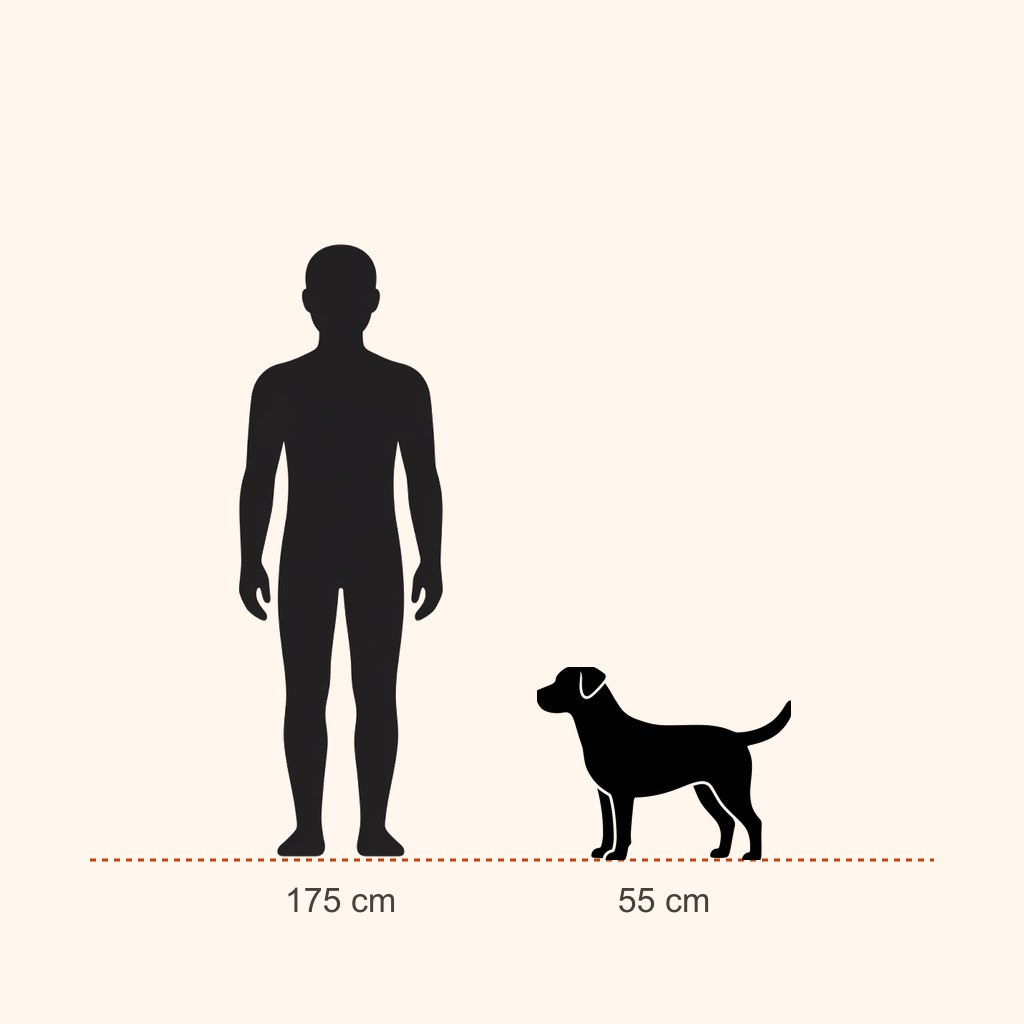
Bull Terrier Owner's Guide
Last updated:
Is a Bull Terrier right for you?
You recognise a Bull Terrier instantly by the egg-shaped head. The character is just as distinctive: comic, stubborn, devoted to its people, and mischievous with seemingly endless energy. The common description is not an exaggeration, it is a three-year-old child in a dog suit. This breed can be a loving family dog, but a bored Bull Terrier takes the house apart.
| Situation | Suitability | Note |
|---|---|---|
| Apartment | Moderate | Energy is the issue rather than size; serious daily exercise and mental work are essential |
| Family with young children | Moderate | Affectionate with its family but muscular and boisterous; it can knock a child over |
| First-time dog owner | Poor | Stubborn, strong, and demanding about socialisation |
| Household with cats or small pets | Caution | Clear terrier prey drive; do not assume any individual will accept them |
| Dog parks, multi-dog homes | Caution | Friction with same-sex dogs is possible; early, ongoing socialisation is required |
| Alone 8+ hours a day | Poor | High risk of destructiveness and compulsive behaviour |
| Home with a garden | Good | A solid fence is essential; this dog digs, pushes, and persists |
| Household with fur allergies | Moderate | Short coat but a steady shedder; skin allergies are also common |
The most overlooked issue in this breed is behaviour: an under-stimulated Bull Terrier may start chasing its own tail or repeating other behaviours, and in this breed that is not simply a habit but a documented problem believed to have a heritable component.
Before you adopt
With this breed, choosing the breeder is half of the health outcome. Ask for specific evidence:
- Hearing test (BAER). Inherited deafness occurs, especially in white dogs; the test can be done in puppyhood and detects deafness in one ear as well.
- Kidney screening. A urine protein:creatinine ratio for hereditary nephritis and an ultrasound for polycystic kidney disease. Both can progress silently for a long time.
- Cardiac examination. Assessment with colour Doppler for valve disease.
- Knees and eyes. Patellar evaluation and an eye examination; primary lens luxation matters particularly in Miniature Bull Terrier lines.
Meet the parents. The temperament this breed should have is confident and steady with strangers; a fearful or over-reactive mother is not a good sign.
Bull-type crossbreeds are common in shelters. If you are considering one, assess an adult dog's temperament together with an experienced trainer or shelter staff member.
Legal status: Some countries restrict or ban bull-type breeds, and rules vary widely between and within countries. In Turkey, for example, a Ministry of Agriculture and Forestry circular dated 7 December 2021 lists American Pit Bull Terrier, Dogo Argentino, Fila Brasileiro, Japanese Tosa, American Staffordshire Terrier, and American Bully as dangerous breeds subject to registration, neutering, microchipping, muzzle and lead requirements; the Bull Terrier is not on that list. Because bull-type dogs are frequently confused with one another, check your own country's current rules and how your dog is officially identified before you travel or move.
Temperament
The Bull Terrier is cheerful, funny, and deeply attached to its people. It wants physical contact with the family; a 25 kg dog trying to sit in your lap is normal here.
It is stubborn. It is intelligent but ranks low on obedience lists because it has its own opinion about what is worth doing. Training must be short, fun, and reward-based; harsh methods produce resistance and lost trust.
Its energy is high and its play is rough. That roughness can be misread by other dogs, and early, continued socialisation is the best way to reduce friction with same-sex dogs.
It is prone to compulsive behaviour, most famously tail chasing and spinning. This has been studied in the breed and is thought to have a genetic component. If it starts, do not wait for it to pass: raise the dog's level of stimulation, note the triggers, and involve your vet or a behaviourist early.
Swallowing foreign objects is a classic emergency in this breed: socks, pieces of balls, toys. Set the household up accordingly.
Health issues and lifespan
Sources generally give a lifespan of 12-14 years. The most critical heading in this breed's health is the kidneys, which is why routine screening here is not a generic recommendation but something that directly affects how long the dog lives.
- Hereditary nephritis: An inherited kidney disease. It progresses silently for a long time; increased drinking and urination, weight loss, poor appetite, and vomiting are late signs. Monitor with an annual urine protein:creatinine ratio.
- Polycystic kidney disease (PKD): Cysts in the kidney, detected by ultrasound. Early stages have no signs.
- Inherited deafness: Markedly more frequent in white dogs but also seen in coloured ones. Deafness in one ear cannot be spotted by eye and requires a BAER test. A deaf dog can live well, but training is done with hand signals and it is never walked off-lead.
- Heart valve disease (mitral valve dysplasia): Murmur, tiring quickly, coughing, fainting. Regular auscultation matters.
- Patellar luxation and joint problems: A skipping gait, carrying a hind leg.
- Skin and allergy problems: Itching, redness, recurrent ear infections. White dogs are at risk of sunburn and sun damage on unpigmented skin; shade in the middle of the day is essential in summer.
- Compulsive tail chasing and spinning: A behavioural problem that nevertheless needs medical attention. It can progress to self-injury and is managed with behaviour work and, where appropriate, medication.
- Intestinal obstruction from swallowed objects: Repeated vomiting, refusing food, abdominal pain. It can require emergency surgery.
Feeding
An adult Bull Terrier usually weighs 50-70 pounds and eats around 300-450 g of good-quality dry food a day. Adjust for activity and calorie density; this breed gains weight easily and excess weight loads both joints and heart.
- Puppy: Medium-to-large breed puppy food, three meals a day. Pushing growth with extra food harms joint development.
- Adult: Two measured meals a day. Do not free-feed.
- Senior: Fewer calories; if kidney values are being monitored, a prescription diet may be advised by your vet.
- If kidney disease is diagnosed, diet becomes part of the treatment and must be set by your veterinarian.
In dogs with skin allergies, a food trial is done under veterinary supervision; an "allergy food" chosen from the internet usually achieves nothing.
Grooming and coat
A short, harsh, glossy coat. Care is easy but not non-existent.
- Brush weekly with a rubber brush, more often during seasonal shedding.
- Bathe less than monthly; do not dry the skin out further.
- Check the skin weekly for redness, crusting, and scratch marks.
- Check ears weekly; allergic dogs get repeat ear infections.
- Nails every two to three weeks, tooth brushing several times a week.
- For white and unpigmented areas, provide shade in summer and avoid midday sun; dog-specific sunscreens can be used on veterinary advice.
Training and exercise
Daily needs: 60-90 minutes of active exercise plus mental work. Mental tiredness matters as much as physical tiredness in this breed; a well-stimulated dog is the best defence against compulsive behaviour.
Priorities:
- Early and continued socialisation (from 8-16 weeks onward). People, dogs, environments. Neglected socialisation is expensive later in this breed.
- Lead manners and impulse control. Holding a muscular, strong dog on a lead is a safety matter. "Wait", "leave it", and recall come first.
- Bite inhibition and play rules. If limits on rough play are not taught in puppyhood, they are hard to fix in an adult.
- Mental work. Scent games, puzzle feeders, short training sessions, durable chew toys.
- Preventing compulsions. If tail chasing starts, record it rather than just distracting the dog: when, how long, in what situation. Your vet will need that information.
Take care in hot weather: this is a muscular, short-coated, excitable dog, so avoid hard exercise in the heat of the day.
History
The Bull Terrier emerged in 19th-century England from crosses between bull-type dogs and terriers. The original purposes were fighting and vermin control; that history describes the breed's selection, not what it is kept for today.
The modern identity of the breed is linked to the work of James Hinks in the mid-19th century. Hinks produced a whiter, more elegant, more "gentlemanly" dog, aiming at a companion and show dog rather than a pit dog.
The egg-shaped head, the breed's most distinctive feature, was emphasised by selection over the following decades. Coloured dogs became common later; for a long period only white dogs were considered acceptable, and the price of that preference was that deafness associated with white coats became established in the breed.
Today the Bull Terrier is a companion and family dog. The right question when adopting is not "is it dangerous" but "do I have the time to manage this energy and this stubbornness".
This guide is for information only and is not a substitute for veterinary advice. Prices are approximate and vary by region and time.
Adoption Prep Checklist
Housing
-
Large-breed dog bed
A comfortable bed supports joint health.
Feeding
-
Large-breed dog food
Food matched to breed size gives the right nutritional balance.
-
Food and water bowl set
Needed for daily feeding and water access.
Grooming
-
Short-hair dog brush
Regular brushing reduces shedding and matting.
-
Dog nail clippers
Regular nail care matters for healthy walking.
-
Dog shampoo
Use a dog-specific shampoo for skin and coat health.
Walking & Activity
-
Running/exercise dog harness
Needed for safe walks.
-
Interactive dog puzzle toy
Mental and physical stimulation reduces behavior problems.
Frequently Asked Questions
Does the Bull Terrier shed?
Shedding is low. Brushing once a week is usually enough, with a mild increase during seasonal changes.
Can the Bull Terrier live in an apartment?
Yes. It lives comfortably in an apartment as long as its daily needs are met. What matters is not floor area but consistent exercise and mental stimulation.
Is the Bull Terrier good with children?
Generally yes. It adapts well to families with children. Even so, interactions should be supervised and children taught to respect the animal’s boundaries.
Is the Bull Terrier suitable for first-time dog owners?
Partly. Someone with basic experience will manage well, but it would not be the first choice for a complete beginner.
How much exercise does the Bull Terrier need?
It is high-energy and needs vigorous daily activity. Mental stimulation matters as much as physical exercise; without enough to do, destructive behaviour follows.
Can the Bull Terrier be left alone during the day?
It can be left alone for a few hours. Long, routine absences can bring on boredom-driven behaviour problems; enrichment and a predictable routine reduce that risk.
How long does the Bull Terrier live?
The Bull Terrier lives 12-15 years on average. Diet, regular veterinary check-ups and early screening for hereditary conditions all affect this directly.
Where does the Bull Terrier come from?
The Bull Terrier originates from England. The geography a breed was developed in, and the job it was bred for, explain much of its temperament and care needs today.