

Braque du Bourbonnais
The image on this page is AI-generated and does not depict a real animal.
- Species
- Dog
- Origin
- France
- Size
- Medium
- Lifespan
- 12-15 years
- Temperament
- Calm loyal hard-working
- Description
One of France's old hunting dog breeds; a calm-natured pointer type.
- Physical Traits
Short dense coat (brown speckled/fawn), drooping ears, a muscular body.
- Care / Environment Info
A house with a garden is preferred. Its short coat sheds little, easy to maintain. Moderate-to-high exercise needs.
Braque du Bourbonnais Owner's Guide
Last updated:
Is a Braque du Bourbonnais right for you?
The Braque du Bourbonnais comes from the Bourbonnais region in central France and is known for its faded pale-brown-and-white spotted coat, often described as "faded lilac." It isn't yet fully recognized by the AKC — only listed in the Foundation Stock Service — while the FCI and UKC recognized the breed in 2006. It's uncommon in Turkey but occasionally found among hunting-dog breeders.
| Situation | Fit | Note |
|---|---|---|
| Apartment | Weak | Bred to run; can't burn off its energy indoors |
| Family with young children | Good | Calm and affectionate; also developed as a family dog |
| First-time dog owner | Caution | Easygoing temperament, but the daily exercise load can be a lot for an inexperienced owner |
| Someone looking for a purely decorative/companion dog | Not suitable | Strong hunting drive; unhappy without scenting and searching |
| Secure home with a yard, or rural setting | Excellent | Room to run freely is almost essential for this breed |
| Non-hunting but active owner | Good | Satisfied with walks, scent games, and regular runs |
| Home with coat allergies | Moderate | Short coat, moderate shedding |
This breed's most distinctive trait is its color: the coat, darker at birth, fades with age into a "wine-lees" or "peach-blossom" tone — no other hunting breed shows this quite so distinctly. Another unique feature is its natural bobtail gene; many puppies are born with a naturally short tail, with no need for tail docking.
Before you adopt
The breed comes from a small population: intensive selective breeding in the 1930s, focused narrowly on the "faded lilac" color and the natural bobtail, narrowed the gene pool and nearly wiped the breed out. In the 1970s, a group of enthusiasts led by Michel Comte tracked down remaining individuals in the Bourbonnais countryside and rebuilt the breed. That history is why careful breeding, with hip and elbow screening, still matters when choosing a breeder today.
When getting a puppy, ask whether the parents have passed hip, elbow, and eye checks. Since the breed is rare in Turkey, it may come from an import or one of very few local breeders; expect to wait.
Temperament
The Braque du Bourbonnais is energetic and determined in the field, yet surprisingly calm at home. The AKC describes this balance as "ideal for the walking hunter, with a calm and gentle temperament." It's affectionate and attached to its family, and somewhat wary and mildly protective toward strangers.
Intelligent and cooperative, it responds well to training, though its nose can pull its focus away easily. Like any hunting breed, it carries a strong scenting and searching drive; left unspent, that drive can turn into restlessness at home.
It generally gets on well with other dogs and children. First introductions to small rodents or cats should be managed carefully, since the hunting reflex can be triggered.
Health issues and lifespan
Sources generally report a lifespan of 10-15 years; since the breed comes from a small but carefully managed population, it's considered generally healthy.
- Hip and elbow dysplasia: a common developmental joint issue in medium-to-large hunting breeds; this is why breeders are encouraged to screen for hip/elbow status.
- Patellar luxation: the kneecap slipping out of place; noticed as occasional hind-leg limping.
- Entropion/ectropion: the eyelid rolling inward or outward; watering, redness, or pawing at the eye calls for a vet check.
- Pulmonary stenosis: a narrowing of the vessel from the heart to the lungs; a congenital heart issue caught early with regular heart exams.
- Ear infections and skin allergies: common in drop-eared hunting breeds; itching, odor, and redness are signs.
Feeding
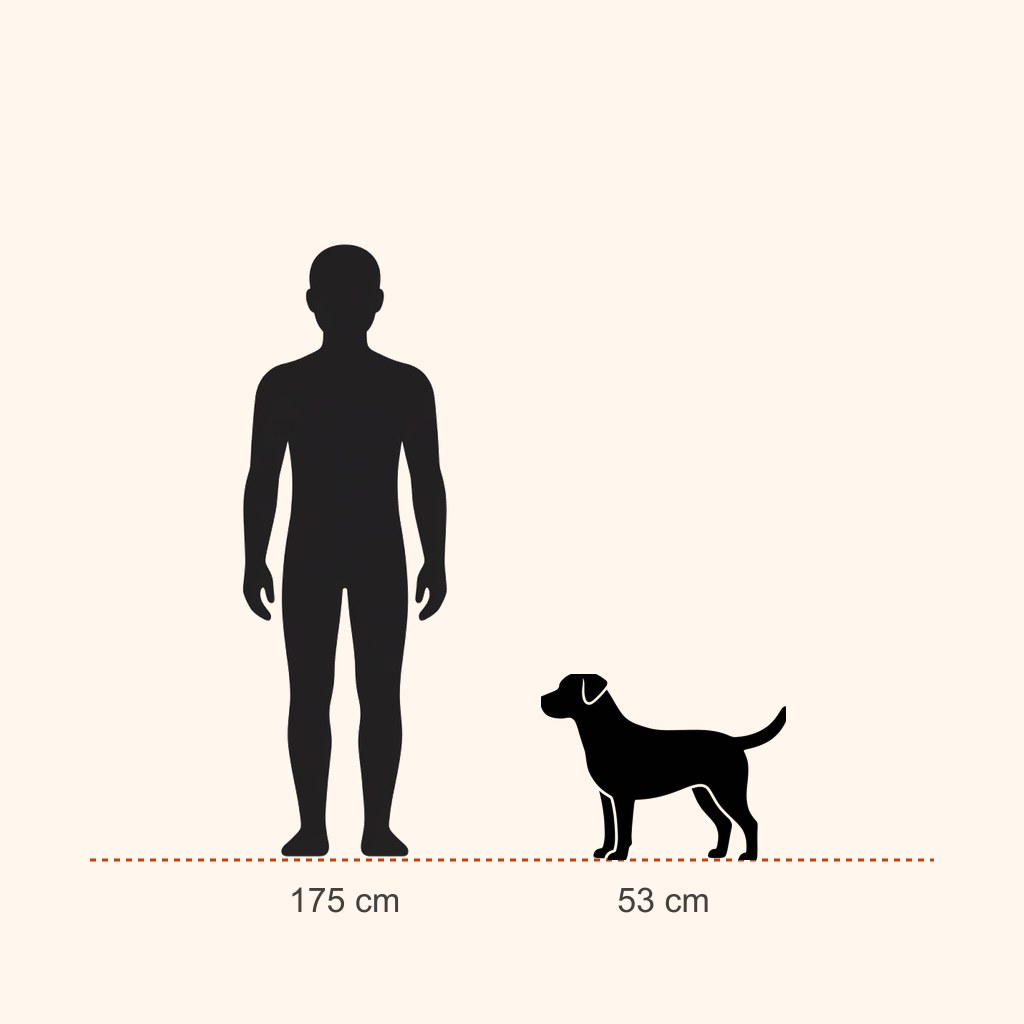
An adult Braque du Bourbonnais (16-25 kg) eats about 250-350 g a day of quality food suited to active dogs; increase this during hunting season or heavy running days.
- Puppy (2-12 months): medium-breed puppy food, 3 meals a day. Avoid excess calories and calcium, which can harm joint development.
- Adult: 24-28% protein, energy density matched to its high activity level. May need an extra meal on hunting days.
- Senior (8+ years): reduce calories as activity drops; joint support can help.
Two meals a day are recommended; a heavy meal right before or after intense exercise can trigger stomach problems.
Grooming and coat
Short, fine, low-maintenance coat.
- Weekly brushing with a rubber brush or hunting glove is enough.
- No need for frequent baths unless it's dirty — every few months is enough.
- Drop ears need a weekly check; moisture and dirt buildup raise infection risk.
- Trim nails monthly and brush teeth a few times a week.
- Check for ticks after every outing for dogs working in the field.
Training and exercise
This breed needs 1-1.5 hours a day, ideally including free running. A leashed walk alone isn't enough; running and sniffing freely in a safe, enclosed area matters for this dog's mental well-being.
Priorities:
- Scent games. Hiding food indoors or in the yard for the dog to find puts the hunting instinct to positive use.
- Socialization (8-16 weeks). Its wariness toward strangers should be balanced early with positive experiences.
- Recall. Since its attention can drift once it catches a scent, reinforce this with high-value rewards in a secure area.
- Leash manners. The tendency to pull while tracking a scent should be corrected from puppyhood.
Harsh training methods aren't needed for this sensitive, cooperative breed; positive reinforcement gets fast results.
History
The Braque du Bourbonnais is one of France's oldest pointing breeds, used for hunting in the Bourbonnais region for centuries. By the 1930s, some breeders' intense focus on appearance traits like the "faded lilac" color and natural bobtail narrowed the gene pool; two world wars and the rising popularity of English pointers and setters pushed the breed to the brink of extinction.
In the 1970s, a group of passionate hunters led by Michel Comte sought out and found individuals still carrying the correct phenotype in the Bourbonnais countryside and rebuilt the breed; the first registrations happened in 1973, and the standard was rewritten in 1988. The FCI and UKC formally recognized the breed in 2006, while the AKC still lists it in the Foundation Stock Service, working toward the three-generation pedigree requirement for full recognition.
Today the breed has a small but stable population; its rarity makes it special, and makes responsible breeding all the more important.
This guide is for information only and is not a substitute for veterinary advice. Prices are approximate and vary by region and time.
Adoption Prep Checklist
Housing
-
Medium-breed dog bed
A comfortable bed supports joint health.
Feeding
-
Medium-breed dog food
Food matched to breed size gives the right nutritional balance.
-
Food and water bowl set
Needed for daily feeding and water access.
Grooming
-
Short-hair dog brush
Regular brushing reduces shedding and matting.
-
Dog nail clippers
Regular nail care matters for healthy walking.
-
Dog shampoo
Use a dog-specific shampoo for skin and coat health.
Walking & Activity
-
Running/exercise dog harness
Needed for safe walks.
-
Interactive dog puzzle toy
Mental and physical stimulation reduces behavior problems.
Training
-
Training treats / beginner training guide
Basic obedience training is recommended for first-time dog owners.
Frequently Asked Questions
Does the Braque du Bourbonnais shed?
Shedding is low. Brushing once a week is usually enough, with a mild increase during seasonal changes.
Can the Braque du Bourbonnais live in an apartment?
Possible but not ideal. A house with outdoor space is preferable; in an apartment you will need to increase daily exercise substantially.
Is the Braque du Bourbonnais good with children?
Generally yes. It adapts well to families with children. Even so, interactions should be supervised and children taught to respect the animal’s boundaries.
Is the Braque du Bourbonnais suitable for first-time dog owners?
Yes. Its care and training are relatively forgiving, which makes it a sound choice for first-time owners.
How much exercise does the Braque du Bourbonnais need?
It is high-energy and needs vigorous daily activity. Mental stimulation matters as much as physical exercise; without enough to do, destructive behaviour follows.
Can the Braque du Bourbonnais be left alone during the day?
It can be left alone for a few hours. Long, routine absences can bring on boredom-driven behaviour problems; enrichment and a predictable routine reduce that risk.
How long does the Braque du Bourbonnais live?
The Braque du Bourbonnais lives 12-15 years on average. Diet, regular veterinary check-ups and early screening for hereditary conditions all affect this directly.
Where does the Braque du Bourbonnais come from?
The Braque du Bourbonnais originates from France. The geography a breed was developed in, and the job it was bred for, explain much of its temperament and care needs today.