

Boykin Spaniel
The image on this page is AI-generated and does not depict a real animal.
- Species
- Dog
- Origin
- United States
- Size
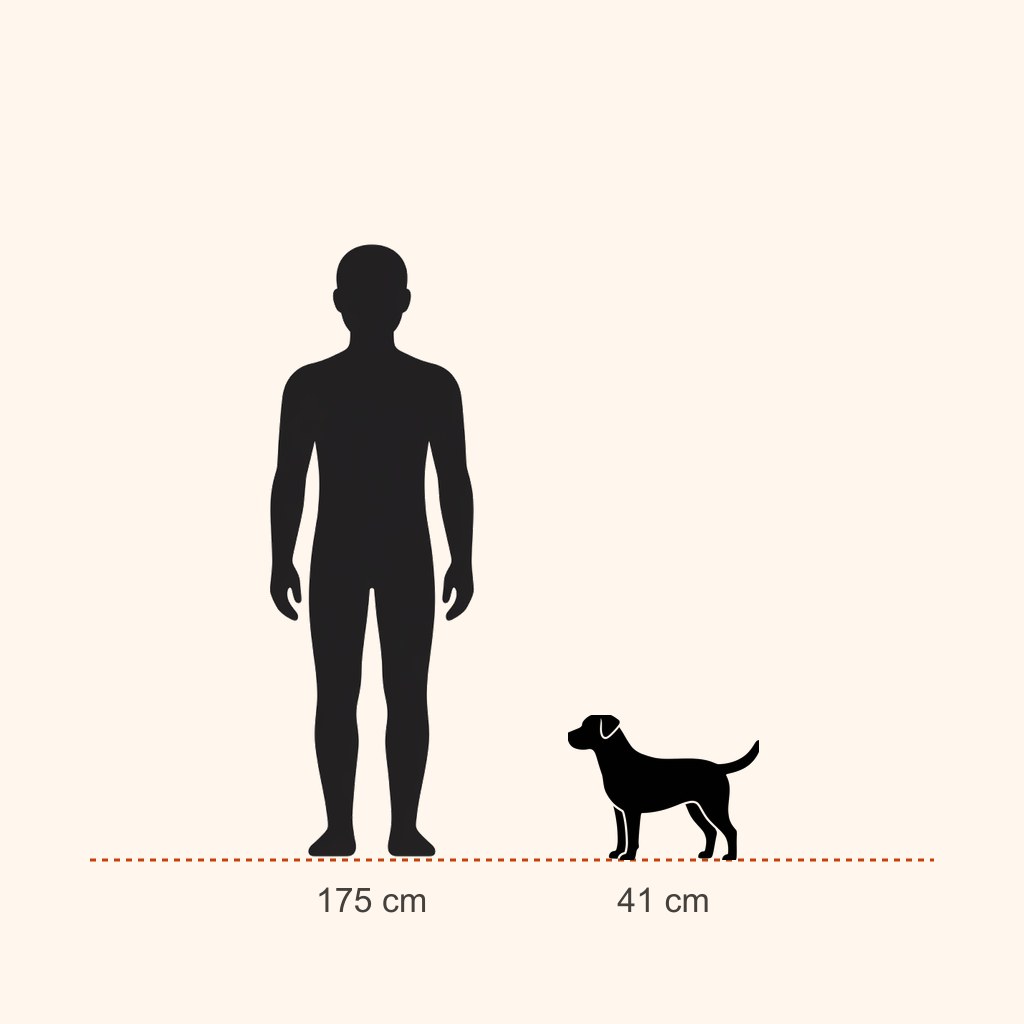
- Medium
- Lifespan
- 12-15 years
- Temperament
- Energetic affectionate friendly hard-working
- Description
South Carolina's hunting dog; an energetic, water-loving small-to-medium breed.
- Physical Traits
Wavy brown coat, amber or brown eyes, a compact muscular body.
- Care / Environment Info
Can live in an apartment with adequate exercise. Its wavy coat sheds moderately, requiring regular brushing. High exercise needs, loves water very much.
Boykin Spaniel Owner's Guide
Last updated:
Is a Boykin Spaniel right for you?
The Boykin Spaniel is a medium-sized, chestnut-brown hunting dog developed in South Carolina to retrieve ducks and turkeys from swamps and marshes. It loves water with real enthusiasm and can turn into a surprisingly calm family dog indoors — but only when its daily exercise needs are fully met.
| Situation | Suitability | Note |
|---|---|---|
| Apartment | Caution | Possible, but without intense daily exercise it can become destructive |
| Family with young children | Excellent | Affectionate, patient, and playful; one of the breed's greatest strengths |
| Home near water or with lake/sea access | Excellent | A natural love of swimming and playing in water |
| First-time dog owner | Good | Easy to train and people-oriented temperament |
| Home where the dog is left alone for long hours | Poor | A family-attached breed; long solitude can cause distress |
| Household with fur allergies | Moderate | Medium-length coat sheds, but not excessively |
| Owner interested in hunting or dog sports | Excellent | Strong retrieving and tracking drive, eager to train |
The Boykin Spaniel switches quickly between "hunting mode" and "couch mode," but that switch stays healthy only when daily exercise needs are consistently met.
Before you adopt
The Boykin Spaniel Club and Breeders Association requires, before breeding, evaluation for hip dysplasia (OFA or PennHIP), patellar luxation, an eye exam (for juvenile cataracts), a genetic test for exercise-induced collapse (EIC), and a genetic test for Collie Eye Anomaly (CEA). Ask the breeder for these screening results when getting a puppy.
The Boykin Spaniel is an extremely rare breed outside the United States; finding a puppy will most likely require importing one. If so, plan the effects of a long flight and quarantine process on the dog together with the breeder and a shipping specialist in advance.
Temperament
The Boykin Spaniel is eager, cheerful, and people-oriented. It shows tireless working drive in the field, then turns into a calm, gentle family dog at home — this dual identity is the breed's most praised trait.
It is deeply affectionate with its family and gets along well with children. It tends to be friendly toward strangers, so it was not bred as a guard dog.
Its retrieving and tracking instincts are strong; it is eager to train and enjoys repetitive tasks. It has a natural pull toward water and scent — resisting the urge to jump into a pond or stream can be genuinely hard for this breed.
Health issues and lifespan
Sources generally report an average lifespan in the range of 10 to 15 years, typical for a medium-sized breed.
- Hip dysplasia: The most commonly reported orthopedic issue in the breed; though OFA data shows the rate declining over the years, it remains a significant risk. Limping and difficulty rising are signs.
- Exercise-induced collapse (EIC): A breed-specific genetic neuromuscular disorder; signs include hind-leg weakness, stumbling, and temporary collapse after intense exercise, usually appearing between 5 months and 1 year of age. Diagnosed by genetic test; triggered by heat and heavy exertion.
- Juvenile cataracts: Clouding of the lens at a young age; early reduction in visual clarity may be noticed.
- Collie Eye Anomaly (CEA): A developmental disorder of the eye's blood vessels; detected by genetic test, and can lead to vision loss in severe cases.
- Patellar luxation: Noticed as occasional limping or a brief hop on three legs.
- Ear infections: Common in spaniels due to their drop ears; itching, odour, and redness are signs, and regular checks are needed.
Feeding
An adult Boykin Spaniel (11-18 kg) eats about 200-280 g of quality dry food per day; dogs working as hunting companions may need noticeably more.
- Puppy (2-12 months): Medium-breed puppy food, 3 meals a day.
- Adult: Moderate-to-high-protein food adjusted to activity level; energy density can be increased for dogs actively working in the field.
- Senior (8+ years): Calories reduced; weight tracking matters, especially in spayed/neutered dogs.
For EIC carriers or affected dogs, water and rest breaks during extreme heat and prolonged intense exercise are vital.
Grooming and coat
Medium-length, flat or slightly wavy, water-resistant chestnut-brown coat.
- Brush 1-2 times a week; dogs that swim often need more frequent checks.
- Bathe monthly; extra rinsing after water activity as needed.
- Check and dry ears weekly, ideally right after swimming; damp conditions trigger infections.
- Trim nails monthly.
- Provide regular dental care.
Training and exercise
Daily requirement: 60-90 minutes; combine walking, running, and, where possible, swimming or a retrieving game. This breed was built for long hunting days and has high stamina.
Priorities:
- Socialisation (8-16 weeks). Early exposure to different people, dogs, and environments is the foundation for a well-balanced adult.
- Retrieving and tracking games. These satisfy natural instinct and make training enjoyable.
- Recall. Since attention can wander at the scent of water or game, a reliable "come" should be reinforced early.
- EIC awareness. Even with a negative genetic test, watch for sudden collapse-like signs during extreme heat and heavy exertion; stop exercise immediately if anything suspicious appears.
- Water safety. Given its enthusiasm for swimming, be cautious around currents or cold water.
History
The Boykin Spaniel's story begins in the early 1900s in Spartanburg, South Carolina. Banker Alec White found a stray brown spaniel following him as he walked to church and named the dog "Dumpy." Noticing the dog's retrieving talent, White sent him to his hunting partner Whit Boykin, who turned the little stray into an outstanding turkey and waterfowl retriever.
The region's swamps, cypress forests, and narrow waterways required hunters to travel by small "section boats," so they needed a compact, versatile dog that wouldn't capsize the boat and could retrieve on both land and water. The Boykin Spaniel was developed for exactly this need, settling into a defined type by the 1920s.
For decades the breed remained the region's "closely guarded secret," as breeders did little to promote it beyond the area. In 1984 the South Carolina Wildlife and Marine Resources Commission endorsed the breed, it became the official state dog in 1985, and September 1 began being celebrated as Boykin Spaniel Day. Full American Kennel Club recognition came in 2009.
This guide is for information only and is not a substitute for veterinary advice. Prices are approximate and vary by region and time.
Adoption Prep Checklist
Housing
-
Medium-breed dog bed
A comfortable bed supports joint health.
Feeding
-
Medium-breed dog food
Food matched to breed size gives the right nutritional balance.
-
Food and water bowl set
Needed for daily feeding and water access.
Grooming
-
De-shedding brush
Regular brushing reduces shedding and matting.
-
Dog nail clippers
Regular nail care matters for healthy walking.
-
Dog shampoo
Use a dog-specific shampoo for skin and coat health.
Walking & Activity
-
Running/exercise dog harness
Needed for safe walks.
-
Interactive dog puzzle toy
Mental and physical stimulation reduces behavior problems.
Training
-
Training treats / beginner training guide
Basic obedience training is recommended for first-time dog owners.
Frequently Asked Questions
Does the Boykin Spaniel shed?
It sheds a moderate amount. Brushing two or three times a week noticeably reduces both loose hair and matting.
Can the Boykin Spaniel live in an apartment?
Yes. It lives comfortably in an apartment as long as its daily needs are met. What matters is not floor area but consistent exercise and mental stimulation.
Is the Boykin Spaniel good with children?
Generally yes. It adapts well to families with children. Even so, interactions should be supervised and children taught to respect the animal’s boundaries.
Is the Boykin Spaniel suitable for first-time dog owners?
Yes. Its care and training are relatively forgiving, which makes it a sound choice for first-time owners.
How much exercise does the Boykin Spaniel need?
It is high-energy and needs vigorous daily activity. Mental stimulation matters as much as physical exercise; without enough to do, destructive behaviour follows.
Can the Boykin Spaniel be left alone during the day?
It can be left alone for a few hours. Long, routine absences can bring on boredom-driven behaviour problems; enrichment and a predictable routine reduce that risk.
How long does the Boykin Spaniel live?
The Boykin Spaniel lives 12-15 years on average. Diet, regular veterinary check-ups and early screening for hereditary conditions all affect this directly.
Where does the Boykin Spaniel come from?
The Boykin Spaniel originates from United States. The geography a breed was developed in, and the job it was bred for, explain much of its temperament and care needs today.