

Boston Terrier
The image on this page is AI-generated and does not depict a real animal.
- Species
- Dog
- Origin
- United States
- Size
- Medium
- Lifespan
- 12-14 years
- Temperament
- Friendly playful intelligent adaptable
- Description
Known as 'the American Gentleman', a compact and friendly small breed.
- Physical Traits
Short smooth coat (black-and-white tuxedo pattern), a flat face, upright ears, a compact body.
- Care / Environment Info
Very suitable for apartment living. Its short coat sheds little, easy to maintain. Moderate exercise needs. Its flat facial structure makes it somewhat sensitive to heat.
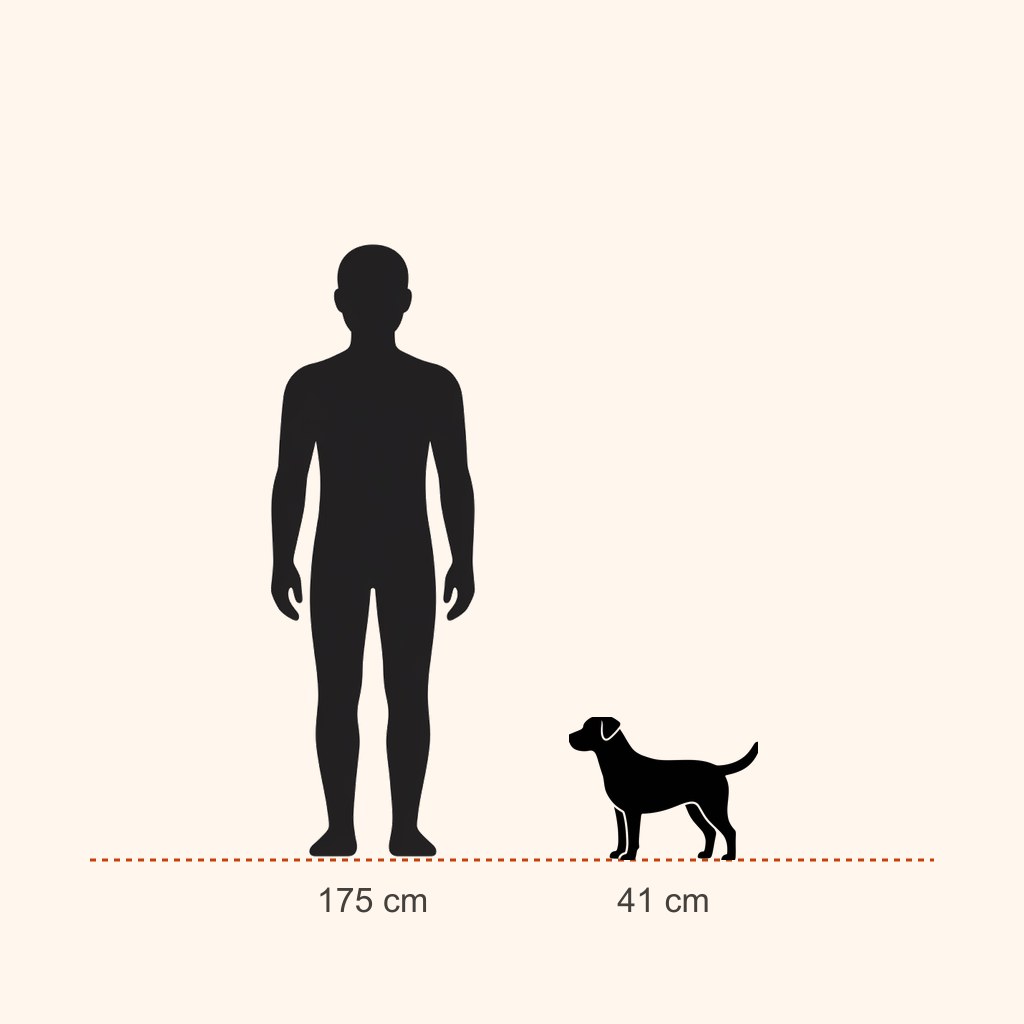
Boston Terrier Owner's Guide
Last updated:
Is a Boston Terrier right for you?
Despite the name, the Boston Terrier is a companion dog through and through: small, cheerful, people-focused, and remarkably adaptable. It is recognised by its short tuxedo-marked coat and large round eyes. The one big thing to understand before adopting is that charming face itself: the Boston Terrier is brachycephalic, or flat-faced, and that structure is the source of its breathing, eye, and hot-weather problems.
| Situation | Suitability | Note |
|---|---|---|
| Apartment | Excellent | A small, calm house dog that barks little |
| Family with young children | Good | Sturdy and playful; those prominent eyes are vulnerable to knocks, so supervise |
| First-time dog owner | Good | Easy to train; the real work is health monitoring and heat management |
| Household with a cat | Good | Usually adapts well; no aggressive prey drive |
| Hot climates | Poor | Serious risk in heat; summer life has to be organised around it |
| Someone wanting a running partner | Poor | Short, frequent walks in cool hours suit it; endurance sport does not |
| Alone 8+ hours a day | Moderate | An attached breed; long isolation increases barking and destructiveness |
| Household with fur allergies | Moderate | Short coat but a steady shedder; allergens are in skin and saliva |
The face that makes the Boston Terrier appealing is also what puts a duty on the owner. Keeping one well means refusing to treat snoring as normal and taking seriously a dog that merely looks "a bit tired" in the heat.
Before you adopt
When choosing a puppy, look at the nostrils. Narrow, slit-like nostrils (stenotic nares) directly obstruct breathing and are the first visible sign of a lifelong problem. Prefer a puppy with open, round nostrils.
Listen to the puppy at rest: wheezing, snoring, and open-mouth breathing while resting are not normal, and certainly not a cute breed feature.
Ask the breeder for eye examination, patellar evaluation, and hearing test (BAER) results. Hearing loss is reported particularly in dogs with extensive white markings.
Whelping difficulty and caesarean sections are common in this breed. A responsible breeder will say so openly; avoid anyone breeding a female litter after litter. Boston Terriers and their crosses also turn up in rescue, and adopting an adult is a good option here because the airway and general health picture is already clear in a grown dog.
Temperament
The Boston Terrier is friendly, curious, and adaptable. The nickname "the American Gentleman" comes from its manners: well-behaved at home, welcoming to visitors, patient with children.
It is bright and eager to learn, picking things up quickly in short, reward-based sessions. There is a sensitive side: a harsh tone or scolding flattens its motivation.
It barks little but is not exactly quiet: snoring, snorting, and sneezing are the household soundtrack of this breed. The intensity of those sounds reflects how hard the airway is working, so do not ignore them if they increase.
It is playful but no marathon dog. Short bursts of enthusiastic play followed by a long nap is the daily rhythm. Because excitement itself strains breathing, building pauses into play is a good habit.
Health issues and lifespan
Sources generally give a lifespan of 11-14 years. Most of the breed's health headings trace back to head shape.
- Brachycephalic obstructive airway syndrome (BOAS): Narrowed nostrils, an elongated soft palate, a crowded upper airway, and laryngeal changes that develop over time occur together. Signs: snoring and wheezing at rest, exercise intolerance, open-mouth breathing, gagging, pauses in breathing during sleep and, in severe cases, blue gums and collapse. Excess weight directly worsens BOAS. Surgical correction of nostrils and soft palate is possible and, done early, slows progression.
- Heatstroke: Cooling by panting is inefficient in flat-faced dogs. Research shows brachycephalic dogs carry markedly higher odds of environmental and vehicle-related heat-related illness. Signs: frantic noisy breathing, dark red gums, drooling, unsteadiness, vomiting, collapse. This is an emergency: wet the dog with cool (not iced) water, move it into shade, and go to a vet immediately. Avoid midday walks in summer, keep off hot asphalt, and never leave the dog in a car.
- Eye problems: Large, prominent eyes are easily injured. Corneal ulcers are common in this breed; squinting, watering, pawing at the eye, and cloudiness need same-day veterinary care. Cataracts, dry eye, and glaucoma are also reported. In severe trauma the eye can prolapse from its socket, which is a surgical emergency.
- Patellar luxation: A skipping gait, carrying a hind leg for a step or two.
- Spinal malformations: Structural vertebral differences such as wedge or butterfly vertebrae are reported in breeds with short, kinked tails. Most dogs show no signs, but hind-limb weakness, poor coordination, or loss of bladder or bowel control warrants a neurological work-up.
- Hearing loss: Reported especially in dogs with extensive white markings; BAER testing gives the definitive answer.
- Skin allergies and fold dermatitis: Moisture and friction in the facial folds cause redness and odour; wipe and dry them several times a week.
- Anaesthetic risk: Anaesthesia and recovery carry more risk in brachycephalic dogs. If surgery is planned, an experienced team and close monitoring matter.
Feeding
An adult Boston Terrier usually weighs 12-25 pounds and does well on roughly 100-200 g of good-quality dry food a day. Keeping this breed at its ideal weight is not cosmetic, it is part of respiratory health: extra weight makes BOAS signs worse.
- Puppy: Small-breed puppy food, three meals a day.
- Adult: Two, or if needed three, small meals a day. A slow-feeder bowl reduces swallowed air in fast eaters.
- Senior: Fewer calories; if dental problems make eating harder, soften the food.
Flatulence is a common complaint in this breed. It usually comes from air swallowed while eating fast and from an unsuitable food; smaller meals, a slow feeder, and a diet change on veterinary advice fix most cases.
Grooming and coat
A short, glossy, single coat. Grooming is simple, but three things cannot be neglected: eyes, facial folds, and heat.
- Weekly rubber brush; steady shedding is normal for this breed.
- Bathe rarely so the skin does not dry out.
- Check the eyes daily for watering, redness, or squinting, and keep the dog away from brush and low branches.
- Wipe the facial folds with a damp cloth several times a week and dry them thoroughly.
- Ears weekly, nails every two to three weeks, teeth brushed several times a week.
- A coat may be needed in winter given the thin, short fur; in summer, cool flooring, shade, and water access come first.
Training and exercise
Daily needs: 30-60 minutes of exercise split into short sessions. Two or three short outings a day are safer for this breed than one long walk.
Priorities:
- Heat management. In summer, move walks to early morning and late evening. Test the asphalt with the back of your hand. If the breathing sound changes, end the walk immediately.
- A harness. A neck collar presses on the windpipe of a flat-faced dog; a well-fitted harness is safer.
- Teaching calm. Over-excitement strains breathing in this breed, so a reliable "go to your place" and the habit of taking breaks help.
- Early socialisation. This is an easy breed, so use that advantage: positive introductions to people, sounds, and surfaces.
- Mental games. Puzzle feeders, scent games, short trick sessions; in a breed whose physical exercise is limited, mental tiredness restores the balance.
Boston Terriers can take part in agility and obedience, but pace and duration must be set by what the airway can handle.
History
The Boston Terrier emerged in the late 19th century around Boston, in the United States. Its foundation lies in bull-and-terrier type dogs brought from England; the individual regarded as the breed's ancestor comes from that line, and later generations were selected to be smaller, shorter-faced, and more amenable until the modern type took shape.
The breed matters as one of the first dog breeds developed in the United States, and it was recognised by the American Kennel Club at the end of the 19th century. The "American Gentleman" nickname comes both from the tuxedo-like markings and from the balanced temperament.
Heavier and longer-faced in the early years, the breed was made smaller and flatter-faced over time. That is exactly where today's debate lies: selecting for a flat face defined the look while making breathing harder. Choosing a dog with open nostrils, a relatively longer muzzle, and quiet breathing at rest is not only better for you, it is the right choice for the breed's future.
This guide is for information only and is not a substitute for veterinary advice. Prices are approximate and vary by region and time.
Adoption Prep Checklist
Housing
-
Medium-breed dog bed
A comfortable bed supports joint health.
Feeding
-
Medium-breed dog food
Food matched to breed size gives the right nutritional balance.
-
Food and water bowl set
Needed for daily feeding and water access.
Grooming
-
Short-hair dog brush
Regular brushing reduces shedding and matting.
-
Dog nail clippers
Regular nail care matters for healthy walking.
-
Dog shampoo
Use a dog-specific shampoo for skin and coat health.
Walking & Activity
-
Dog leash and collar set
Needed for safe walks.
-
Plush dog toy
Mental and physical stimulation reduces behavior problems.
Training
-
Training treats / beginner training guide
Basic obedience training is recommended for first-time dog owners.
Frequently Asked Questions
Does the Boston Terrier shed?
Shedding is low. Brushing once a week is usually enough, with a mild increase during seasonal changes.
Can the Boston Terrier live in an apartment?
Yes. It lives comfortably in an apartment as long as its daily needs are met. What matters is not floor area but consistent exercise and mental stimulation.
Is the Boston Terrier good with children?
Generally yes. It adapts well to families with children. Even so, interactions should be supervised and children taught to respect the animal’s boundaries.
Is the Boston Terrier suitable for first-time dog owners?
Yes. Its care and training are relatively forgiving, which makes it a sound choice for first-time owners.
How much exercise does the Boston Terrier need?
It needs a moderate amount of exercise. Daily activity plus some play time makes for a balanced routine.
Can the Boston Terrier be left alone during the day?
It can be left alone for a few hours. Long, routine absences can bring on boredom-driven behaviour problems; enrichment and a predictable routine reduce that risk.
How long does the Boston Terrier live?
The Boston Terrier lives 12-14 years on average. Diet, regular veterinary check-ups and early screening for hereditary conditions all affect this directly.
Where does the Boston Terrier come from?
The Boston Terrier originates from United States. The geography a breed was developed in, and the job it was bred for, explain much of its temperament and care needs today.