

Border Terrier
The image on this page is AI-generated and does not depict a real animal.
- Species
- Dog
- Origin
- England/Scotland border
- Size
- Small
- Lifespan
- 14-16 years
- Temperament
- Energetic friendly curious brave
- Description
Originally used for fox hunting, a hardy and friendly small terrier breed.
- Physical Traits
Wiry coat (red, wheaten or grizzle-tan), an 'otter'-like head shape, a compact body.
- Care / Environment Info
Suitable for apartment living. Its wiry coat sheds little, requiring regular clipping. High exercise needs.
Border Terrier Owner's Guide
Last updated:
Is a Border Terrier right for you?
The Border Terrier was developed in the Cheviot Hills on the England-Scotland border to hunt foxes to ground. Unlike many small breeds, it is not a lapdog; "small package, big dog attitude" sums it up well. It is affectionate and friendly, but the drive to dig, chase, and track never fully disappears.
| Situation | Suitability | Note |
|---|---|---|
| Apartment | Fair | Possible, but daily exercise must be non-negotiable |
| Family with young children | Good | Sturdy and patient; handles rough play better than most small breeds |
| Household with cats or small pets | Poor | Strong prey drive; may chase small animals |
| First-time dog owner | Good | Less stubborn and more adaptable than many other terriers |
| Garden | Fair | Digging is common; fencing must be buried into the ground |
| Household with fur allergies | Moderate | Wiry coat sheds, but not excessively |
| Owner who walks daily and stays active | Excellent | Needs a regular outlet for its energy |
The Border Terrier's biggest trap is that its calm-looking temperament makes people underestimate its exercise needs; without daily activity this breed can develop destructive habits.
Before you adopt
Look for puppies from parents who have had hip evaluations and eye exams (for progressive retinal atrophy and juvenile cataracts). A heart check should also be requested; congenital heart defects, while rare, have been reported in the breed.
Border Terriers are uncommon outside their home countries, so if you're considering an imported puppy, ask the breeder to document their health screenings. Also check breed rescue groups; adult dogs originally bred for hunting and later rehomed as companions can be excellent options.
Temperament
Compared to other terriers, the Border Terrier is considered less reactive and more adaptable. It is devoted to its family, friendly, and surprisingly patient — traits that make it one of the most popular terrier choices as a family dog.
At its core, though, it remains a hunter. Chasing small rodents, rabbits, and even cats is a strong instinct that training can manage but never fully eliminate. Digging is similarly innate; regular digging in the garden should be expected as normal behaviour.
It is intelligent and eager to learn, but attention snaps instantly to any scent or movement. It generally gets along well with other dogs, and well-socialised individuals can do fine in multi-dog households.
Health issues and lifespan
Sources generally place average lifespan at 12 to 15 years; it is considered a generally healthy breed.
- Canine Epileptoid Cramping Syndrome (CECS): A breed-specific condition involving seizure-like cramping episodes, usually starting between 2 and 6 years of age. Muscle stiffening and temporary loss of movement are signs; see a vet after the first episode.
- Gallbladder mucocele: Excessive mucus buildup in the gallbladder; can present with loss of appetite, vomiting, and abdominal pain, and may require emergency surgery if advanced.
- Hip dysplasia: Less common than in many other terriers but has been reported; limping and difficulty rising are signs.
- Progressive retinal atrophy and juvenile cataracts: Reduced visual clarity, such as bumping into things in low light.
- Anesthesia sensitivity: Slow response to anesthesia has been reported in the breed; inform your vet before any surgery.
- Allergic skin disease: Can appear as itching, redness, and recurring ear infections.
Feeding
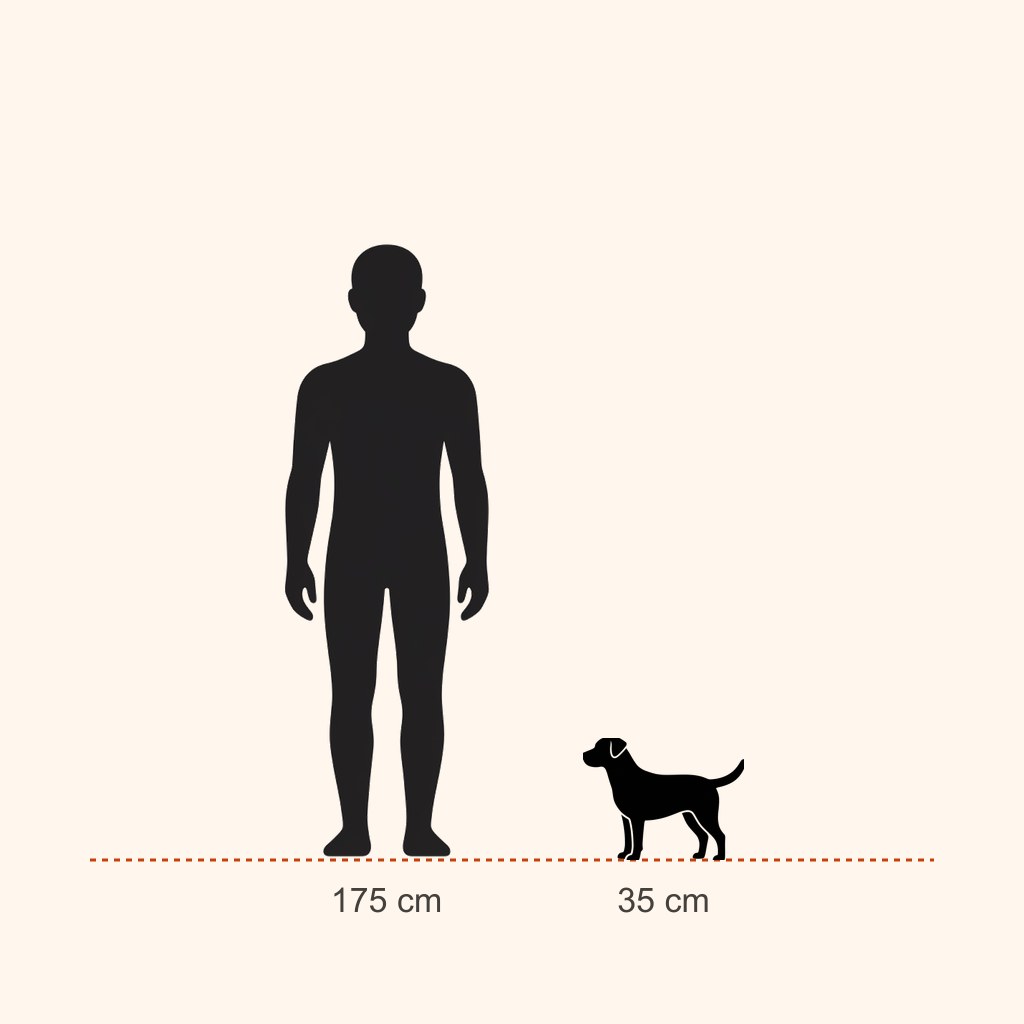
An adult Border Terrier (5-7 kg) eats about 120-160 g of quality dry food per day; active individuals may need more.
- Puppy (2-12 months): Small-breed puppy food, 3 meals a day.
- Adult: Moderate-protein food with balanced energy density; this breed can be food-motivated to the point of overeating, so portion control matters.
- Senior (8+ years): Calories reduced; joint support can help.
Treats should count toward the daily calorie total, as this breed gains weight easily.
Grooming and coat
Dense, wiry, weather-resistant double coat.
- Weekly brushing is enough; hand-stripping the dead outer coat twice a year is recommended.
- Bathing is rarely needed; do it only when necessary to preserve the coat's natural protective structure.
- Check ears weekly, especially for dogs that spend a lot of time outdoors.
- Trim nails monthly.
- Check for ticks after walks; this breed loves exploring brush and burrows.
Training and exercise
Daily requirement: at least 45-60 minutes; walking, running, and the chance to explore are necessary for this breed. Leaving it in the garden alone is not enough — active engagement is required.
Priorities:
- Recall and leash discipline. Because prey drive is strong, a reliable recall is essential before any off-leash time; even then, off-leash areas should be fenced.
- Redirecting digging. Setting aside a permitted digging spot in the garden protects furniture and lawns.
- Socialisation (8-16 weeks). Early exposure to different dogs, people, and environments builds a well-adjusted adult.
- Controlled introductions to small pets. If there is a cat at home, supervised, gradual introduction from puppyhood is needed.
- Mental stimulation. Scent games and puzzle feeders satisfy this intelligent breed alongside physical exercise.
Reward-based, short, consistent sessions work best for this breed rather than harsh corrections.
History
The Border Terrier took shape in the Cheviot Hills of the England-Scotland border region it is named after, developed to control foxes that preyed on livestock. Farmers and shepherds needed a dog with enough leg to keep pace with mounted hunters, yet small enough to follow a fox to ground.
The breed worked alongside the Border Foxhounds pack from 1869 onward; its job was to bolt the fox from its den so the hunt could continue. This working heritage is the foundation of the endurance and determination the breed still carries today.
The Border Terrier Club was formed in 1920 at Hawick and the breed was officially recognised by The Kennel Club that same year. American Kennel Club recognition followed in 1930. Today it is regarded as one of the rare terriers that has largely kept its working ability while also becoming a beloved family dog. If you're bringing one in from abroad, check your country's import and pedigree-registration requirements, since the breed remains uncommon in many places.
This guide is for information only and is not a substitute for veterinary advice. Prices are approximate and vary by region and time.
Adoption Prep Checklist
Housing
-
Small-breed dog bed
A comfortable bed supports joint health.
Feeding
-
Small-breed dog food
Food matched to breed size gives the right nutritional balance.
-
Food and water bowl set
Needed for daily feeding and water access.
Grooming
-
Short-hair dog brush
Regular brushing reduces shedding and matting.
-
Dog nail clippers
Regular nail care matters for healthy walking.
-
Dog shampoo
Use a dog-specific shampoo for skin and coat health.
Walking & Activity
-
Running/exercise dog harness
Needed for safe walks.
-
Interactive dog puzzle toy
Mental and physical stimulation reduces behavior problems.
Training
-
Training treats / beginner training guide
Basic obedience training is recommended for first-time dog owners.
Frequently Asked Questions
Does the Border Terrier shed?
Shedding is low. Brushing once a week is usually enough, with a mild increase during seasonal changes.
Can the Border Terrier live in an apartment?
Yes. It lives comfortably in an apartment as long as its daily needs are met. What matters is not floor area but consistent exercise and mental stimulation.
Is the Border Terrier good with children?
Generally yes. It adapts well to families with children. Even so, interactions should be supervised and children taught to respect the animal’s boundaries.
Is the Border Terrier suitable for first-time dog owners?
Yes. Its care and training are relatively forgiving, which makes it a sound choice for first-time owners.
How much exercise does the Border Terrier need?
It is high-energy and needs vigorous daily activity. Mental stimulation matters as much as physical exercise; without enough to do, destructive behaviour follows.
Can the Border Terrier be left alone during the day?
It can be left alone for a few hours. Long, routine absences can bring on boredom-driven behaviour problems; enrichment and a predictable routine reduce that risk.
How long does the Border Terrier live?
The Border Terrier lives 14-16 years on average. Diet, regular veterinary check-ups and early screening for hereditary conditions all affect this directly.
Where does the Border Terrier come from?
The Border Terrier originates from England/Scotland border. The geography a breed was developed in, and the job it was bred for, explain much of its temperament and care needs today.