

Bolognese
The image on this page is AI-generated and does not depict a real animal.
- Species
- Dog
- Origin
- Italy
- Size
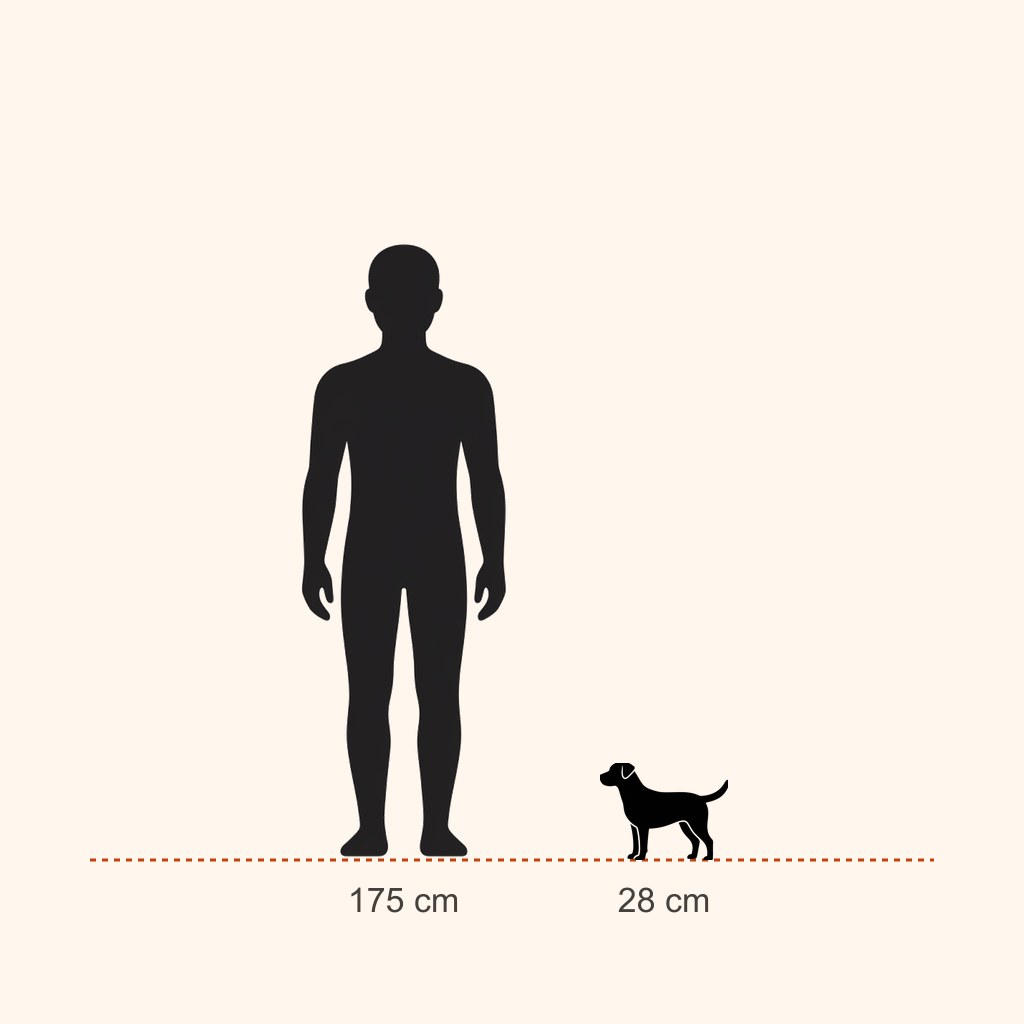
- Small
- Lifespan
- 14-16 years
- Temperament
- Affectionate calm attached to people
- Description
Known for its cottony white coat, a calm and affectionate small Italian lap dog.
- Physical Traits
Soft, curly, cotton-like pure white coat, a small compact body.
- Care / Environment Info
Very suitable for apartment living. Its coat sheds little but requires regular brushing. Low-to-moderate exercise needs.
Bolognese Owner's Guide
Last updated:
Is a Bolognese right for you?
The Bolognese is a small lapdog from Bologna, Italy, known for its white, cottony coat. It belongs to the Bichon family, and like all its relatives it has one job: staying close to its owner. What sets this breed apart from other small dogs is the sheer intensity of its attachment; a Bolognese does not tolerate being left alone well.
| Situation | Suitability | Note |
|---|---|---|
| Apartment | Excellent | Small size and low exercise needs make it a great fit |
| Home where the dog is left alone for long hours | Poor | Bonds intensely; prone to separation anxiety |
| Family with young children | Moderate | Delicate build; rough play can cause injury |
| First-time dog owner | Good | Easygoing temperament and trainable |
| Household with fur allergies | Good | Single coat, low shedding; not guaranteed hypoallergenic |
| Elderly or retired owner | Excellent | Calm, lapdog character suits this lifestyle |
| Owner who travels often or works long hours | Poor | Poor tolerance for solitude limits daily routine |
Do not be fooled by the Bolognese's lapdog looks: this is not an accessory but a real dog that needs constant attention.
Before you adopt
When you visit the litter, make sure to see the mother; a calm, people-trusting mother is a good sign for the puppy's temperament. Look for puppies from parents who have had eye exams and patella evaluations.
The Bolognese is not a common breed outside Italy, so work with a serious, reputable breeder and make sure the puppy has stayed with its mother for at least eight weeks. This breed rarely appears in shelters or rehoming listings, but it is worth checking small-breed rescue groups.
Temperament
The Bolognese is calm, affectionate, and observant. It is not overly energetic or noisy; it adapts to the mood of the household and is sensitive to its owner's emotional state. It can be somewhat reserved with strangers but is not aggressive.
The breed's defining trait is being a "shadow dog": it follows its owner from room to room and prefers being on a lap or at someone's feet. This devotion is endearing, but without training it can turn into separation anxiety; practice short periods of being alone from puppyhood onward.
It is an intelligent breed that responds well to reward-based training, though some individuals can be stubborn; a patient, consistent approach is needed. It generally barks little but will not hesitate to sound off if it senses a threat.
Health issues and lifespan
Sources generally put the average lifespan at 12 to 14 years; it is considered a generally healthy breed.
- Patellar luxation: The kneecap slipping out of place; common in small breeds. Occasional limping or a brief hop on three legs is the sign.
- Legg-Calve-Perthes disease: A genetic condition caused by disrupted blood flow to the head of the femur; noticed as limping at a young age, usually requiring surgery.
- Dental and gum disease: A common issue in small breeds; bad breath and tartar buildup are early signs. Regular tooth brushing is essential.
- Cataracts and progressive retinal atrophy (PRA): See a vet if you notice cloudiness in the eyes or difficulty seeing in low light.
- Tear staining (epiphora): Causes reddish-brown staining under the eyes on the white coat; not a health problem itself but needs regular cleaning, and persistent, foul-smelling discharge warrants a vet check.
Feeding
An adult Bolognese (3-4.5 kg) eats about 50-80 g of quality dry food per day; the exact amount depends on activity level.
- Puppy (2-10 months): Small-breed puppy food, 3-4 meals a day.
- Adult: Small kibble formulated for small breeds is preferred; its small jaw can struggle with large kibble.
- Senior (8+ years): Calories reduced; small breeds gain weight quickly.
Measuring food by weight is the most practical way to prevent the excess weight gain common in this breed.
Grooming and coat
Long, cottony, single coat, often described as "cotton-like."
- Brush 2-3 times a week; matting develops quickly, especially behind the ears and under the arms.
- Bathe every 3-4 weeks; frequent bathing can damage the coat's texture.
- Wipe under the eyes daily; tear staining is a common grooming task in this breed.
- Check ears weekly.
- Brush teeth several times a week; small breeds carry a high risk of dental disease.
- Trim nails monthly.
Because it is a non-shedding breed, loose hair around the house is minimal, but the coat mats quickly if neglected.
Training and exercise
Daily requirement: 30-45 minutes; short walks and indoor play are enough for this breed. The Bolognese's real need is emotional rather than physical exercise.
Priorities:
- Alone-time training. Start with short periods from puppyhood and increase gradually; this is the only way to prevent separation anxiety in this breed.
- Socialisation (8-16 weeks). Exposure to different people, sounds, and environments prevents excessive shyness.
- House training. Usually takes a bit longer in small breeds; patience and consistency are needed.
- Basic obedience. Reward-based, short and fun sessions; this breed does not respond well to harsh corrections.
- Limits on being carried. Being carried constantly can weaken independent behaviour; let it explore on its own feet.
History
The exact origin of the Bolognese is unknown, but it is believed to have taken shape in medieval Italy around the city of Bologna. As a branch of the Bichon-type dogs, it was highly favoured among noble Italian families during the Renaissance, between the 13th and 16th centuries.
Cosimo de' Medici of Florence gave Bolognese puppies as gifts to various European courts; the breed became a status symbol owned by figures such as King Philip II of Spain and Empress Catherine the Great of Russia. Painters like Titian and Goya depicted it alongside nobility in their portraits.
As European aristocracy declined, the breed nearly disappeared; it survived thanks to the persistent work of a small group of enthusiasts. The Bolognese was admitted to the American Kennel Club's Foundation Stock Service in 1999 and first appeared at Crufts in 2002. It remains a little-known breed in many countries, but its calm temperament is slowly winning over people looking for a lapdog suited to city life. Check local import and pedigree-registration rules before bringing one in from abroad, since it is still rare outside Italy.
This guide is for information only and is not a substitute for veterinary advice. Prices are approximate and vary by region and time.
Adoption Prep Checklist
Housing
-
Small-breed dog bed
A comfortable bed supports joint health.
Feeding
-
Small-breed dog food
Food matched to breed size gives the right nutritional balance.
-
Food and water bowl set
Needed for daily feeding and water access.
Grooming
-
Short-hair dog brush
Regular brushing reduces shedding and matting.
-
Dog nail clippers
Regular nail care matters for healthy walking.
-
Dog shampoo
Use a dog-specific shampoo for skin and coat health.
Walking & Activity
-
Dog leash and collar set
Needed for safe walks.
-
Plush dog toy
Mental and physical stimulation reduces behavior problems.
Training
-
Training treats / beginner training guide
Basic obedience training is recommended for first-time dog owners.
Frequently Asked Questions
Does the Bolognese shed?
Shedding is low. Brushing once a week is usually enough, with a mild increase during seasonal changes.
Can the Bolognese live in an apartment?
Yes. It lives comfortably in an apartment as long as its daily needs are met. What matters is not floor area but consistent exercise and mental stimulation.
Is the Bolognese good with children?
Generally yes. It adapts well to families with children. Even so, interactions should be supervised and children taught to respect the animal’s boundaries.
Is the Bolognese suitable for first-time dog owners?
Yes. Its care and training are relatively forgiving, which makes it a sound choice for first-time owners.
How much exercise does the Bolognese need?
Its energy level is low. Short, regular activity is enough; strenuous exercise is not required.
Can the Bolognese be left alone during the day?
It is not suited to long periods alone. It is prone to separation anxiety; a household where someone is usually home, or where a companion animal is present, fits it much better.
How long does the Bolognese live?
The Bolognese lives 14-16 years on average. Diet, regular veterinary check-ups and early screening for hereditary conditions all affect this directly.
Where does the Bolognese come from?
The Bolognese originates from Italy. The geography a breed was developed in, and the job it was bred for, explain much of its temperament and care needs today.