

Biewer Terrier
The image on this page is AI-generated and does not depict a real animal.
- Species
- Dog
- Origin
- Germany
- Size
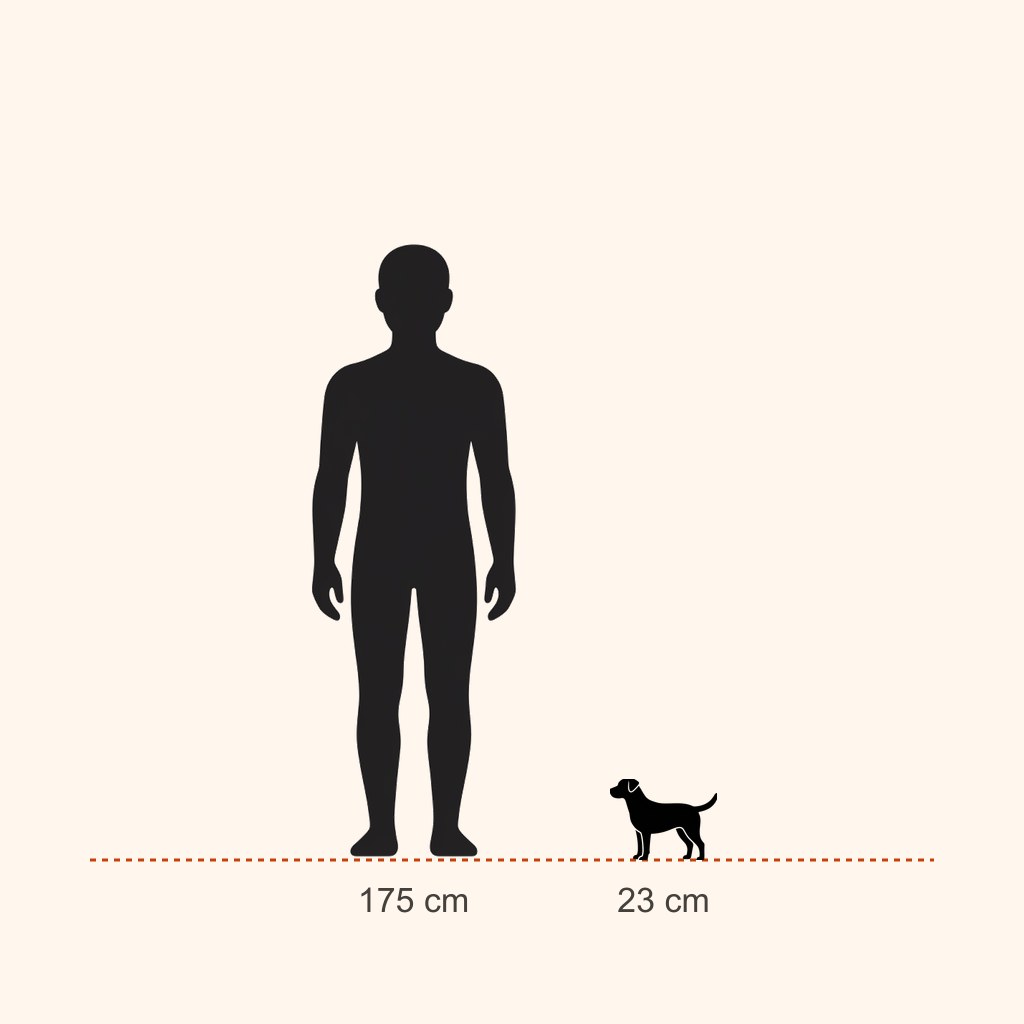
- Very Small
- Lifespan
- 14-16 years
- Temperament
- Affectionate energetic friendly
- Description
A relatively new breed developed from the Yorkshire Terrier, distinguished by its tricolor (including white) coat.
- Physical Traits
Long silky tricolor (blue-tan-white) coat, a very small body.
- Care / Environment Info
Very suitable for apartment living. Its long coat sheds little but requires daily brushing. Low-to-moderate exercise needs.
Biewer Terrier Owner's Guide
Last updated:
Is a Biewer Terrier right for you?
The Biewer Terrier is a tiny tricolor (black/chocolate/blue, gold, and white) lapdog known for its long, silky coat. Genetically it descends from the Yorkshire Terrier, but its temperament and look are distinct: less of the classic terrier edge, and more of the "childlike," fun-loving attitude the breed standard describes.
| Situation | Suitability | Note |
|---|---|---|
| Apartment | Excellent | Comfortable in a very small space |
| Family with young children | Moderate | Fragile build; falls and rough play are a real risk |
| First-time dog owner | Moderate | Easy temperament, but coat care and housetraining take time |
| Left alone 8+ hours a day | Poor | Bonds strongly to people and doesn't handle solitude well |
| Household with fur allergies | Good option | Hair similar to human hair, sheds little |
| No grooming budget | Poor | Long coat needs regular upkeep or trimming |
| Active, energetic family | Good | Surprisingly energetic and playful for its size |
The most important thing to know about this breed: it's still quite young as a distinct breed and remains rare worldwide. Breeders are few almost everywhere; verify pedigree documentation and health testing carefully before adopting.
Before you adopt
Because the Biewer descends directly from the Yorkshire Terrier, it carries the same vulnerabilities (patellar issues, tracheal sensitivity, liver shunt). Ask breeders whether the parents' knees have been evaluated.
Avoid dogs marketed as "teacup" or "micro" — this isn't a legitimate variety, just undersized individuals prone to hypoglycemia and organ problems with shortened lifespans.
Since the breed is still young and rare, some sellers use the "Biewer Yorkshire Terrier" name for undocumented or off-standard colored Yorkie mixes. Question any puppy sold as a "Biewer" without pedigree registration and color/pattern documentation.
Temperament
The Biewer Terrier is cheerful, affectionate, and people-oriented. The assertive terrier edge of the Yorkshire Terrier has softened here into a playful, "childlike" attitude that the breed standard specifically calls out as persisting into adulthood.
That said, the confidence issues common to small dogs still apply: under-socialised individuals can become overly vocal or defensive toward strangers or larger dogs.
Despite its size, it's energetic — it doesn't just sit in a lap, it genuinely enjoys play and short walks.
It's generally willing to bond with everyone in the household rather than fixating on one person. Even so, it doesn't like being left alone and is considered prone to separation anxiety.
Health issues and lifespan
Sources generally put average lifespan at 12 to 15 years. Because it descends from the Yorkshire Terrier, it carries that breed's well-known vulnerabilities:
- Patellar luxation: Very common in small breeds; the classic sign is intermittently holding up a hind leg for a few strides while walking.
- Tracheal collapse: A honking, dry cough and breathing difficulty when excited. Use a harness instead of a neck collar.
- Portosystemic shunt (liver shunt): Blood bypassing the liver; signs include stunted growth, post-meal disorientation, and unsteadiness.
- Hypoglycemia: Especially in puppies — trembling, lethargy, poor appetite, and in severe cases loss of consciousness. Prevented with frequent, regular meals.
- Dental disease: Crowded teeth in a small jaw drive tartar buildup and early tooth loss.
- Bladder stones: Reported in some sources for this breed; frequent urination or straining can be a sign.
Feeding
An adult Biewer Terrier (4-8 lb / 1.8-3.6 kg) eats about 40-70 g of small-kibble quality dry food per day. At this size, dosing errors have outsized consequences.
- Puppy (2-10 months): Small-breed puppy food, 3-4 meals a day. Don't skip meals given the hypoglycemia risk.
- Adult: Small-kibble food, two meals a day.
- Senior (9+ years): Softened food if teeth have been lost.
Table scraps encourage both picky eating and obesity; on such a small frame, excess weight quickly becomes joint strain.
Grooming and coat
The coat is hair, not fur — it grows continuously, sheds little, but mats easily.
- Brush daily or at least every other day; neglect it and the coat felts quickly.
- Bathe every 3-4 weeks; some sources recommend weekly bathing to keep the coat glossy.
- Trim or tie back hair around the eyes so it doesn't obstruct vision.
- Brush teeth at least three times a week.
- Nails every 3-4 weeks.
- Most owners choose a short "puppy cut" to avoid the demands of full-length coat care.
Training and exercise
Daily need: 30-45 minutes. Short walks and indoor play are enough.
Priorities:
- Harness habit. Important for tracheal health.
- Socialisation (8-16 weeks). Small dogs' reputation for being difficult usually traces back to insufficient socialisation.
- Bark management. Teach a "quiet" cue early.
- Tolerance for handling. Brushing, grooming table time, and tooth brushing should be gamified from puppyhood.
- Housetraining. A small bladder means frequent opportunities and consistency are needed.
History
The Biewer Terrier descends directly from the Yorkshire Terrier and is a genuinely young breed. In 1984 in Germany, a puppy with extensive white markings and a black-gold-white tricolor pattern was born in the kennel of experienced Yorkshire Terrier breeders Werner and Gertrud Biewer. This look came from a recessive "piebald" white-spotting gene rarely seen in Yorkshire Terriers — and one that was a disqualifying fault under the Yorkshire Terrier standard.
Rather than seeing it as a flaw, the Biewers treated it as an opportunity and developed a selective breeding program to fix the color. A veterinarian friend suggested naming the dogs "Biewer Yorkshire Terriers"; when a well-known German singer took a liking to them, "à la Pom Pon" was briefly added to the name.
American enthusiasts began importing the breed from Germany starting in 2002, and the first clubs formed in 2006. The AKC didn't formally recognize the Biewer Terrier as a distinct breed until 2021, making it one of the newest breeds on the registry.
This guide is for information only and is not a substitute for veterinary advice. Prices are approximate and vary by region and time.
Adoption Prep Checklist
Housing
-
Small-breed dog bed
A comfortable bed supports joint health.
Feeding
-
Small-breed dog food
Food matched to breed size gives the right nutritional balance.
-
Food and water bowl set
Needed for daily feeding and water access.
Grooming
-
Short-hair dog brush
Regular brushing reduces shedding and matting.
-
Dog nail clippers
Regular nail care matters for healthy walking.
-
Dog shampoo
Use a dog-specific shampoo for skin and coat health.
Walking & Activity
-
Dog leash and collar set
Needed for safe walks.
-
Plush dog toy
Mental and physical stimulation reduces behavior problems.
Frequently Asked Questions
Does the Biewer Terrier shed?
Shedding is low. Brushing once a week is usually enough, with a mild increase during seasonal changes.
Can the Biewer Terrier live in an apartment?
Yes. It lives comfortably in an apartment as long as its daily needs are met. What matters is not floor area but consistent exercise and mental stimulation.
Is the Biewer Terrier good with children?
Caution is warranted. With proper socialisation and adult supervision it can live with children, but it is not a first choice for homes with young children.
Is the Biewer Terrier suitable for first-time dog owners?
Partly. Someone with basic experience will manage well, but it would not be the first choice for a complete beginner.
How much exercise does the Biewer Terrier need?
Its energy level is low. Short, regular activity is enough; strenuous exercise is not required.
Can the Biewer Terrier be left alone during the day?
It can be left alone for a few hours. Long, routine absences can bring on boredom-driven behaviour problems; enrichment and a predictable routine reduce that risk.
How long does the Biewer Terrier live?
The Biewer Terrier lives 14-16 years on average. Diet, regular veterinary check-ups and early screening for hereditary conditions all affect this directly.
Where does the Biewer Terrier come from?
The Biewer Terrier originates from Germany. The geography a breed was developed in, and the job it was bred for, explain much of its temperament and care needs today.