

Bichon Frise
The image on this page is AI-generated and does not depict a real animal.
- Species
- Dog
- Origin
- France/Belgium
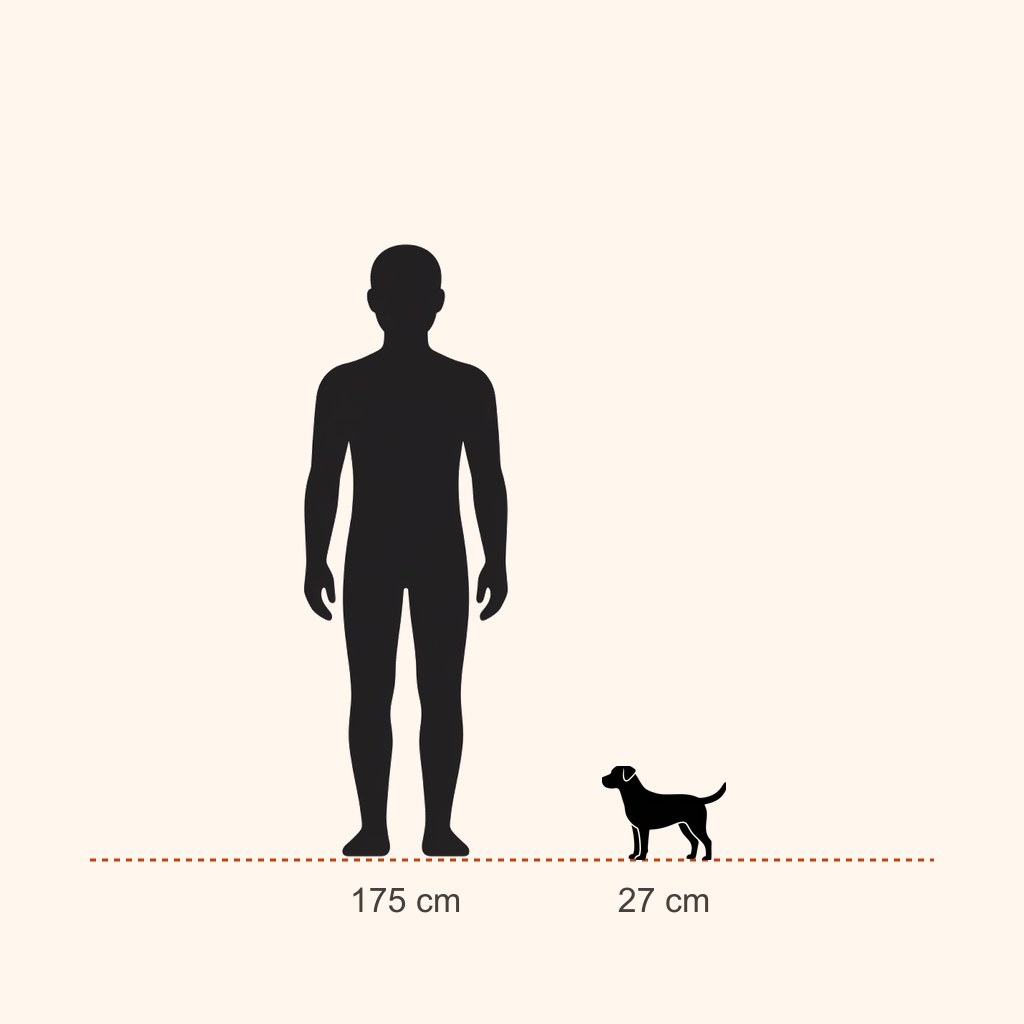
- Size
- Small
- Lifespan
- 14-16 years
- Temperament
- Cheerful affectionate playful friendly
- Description
Known for its cottony white coat, a cheerful and friendly small breed.
- Physical Traits
Soft, curly, cotton-like white coat, round black eyes, a small compact body.
- Care / Environment Info
Very suitable for apartment living. Its curly coat barely sheds and is considered hypoallergenic, but requires regular professional clipping. Low-to-moderate exercise needs.
Bichon Frise Owner's Guide
Last updated:
Is a Bichon Frise right for you?
The Bichon Frise is a cheerful, people-loving little companion with a white curly coat that makes it look like a soft toy. In temperament it genuinely is an easy breed; the difficult part is the coat. It grows continuously, mats easily, and without regular professional grooming it becomes a source of real discomfort for the dog. The second key subject is urinary stones.
| Situation | Suitability | Note |
|---|---|---|
| Apartment | Excellent | Small and adaptable; the breed's natural setting |
| Family with young children | Good | Playful and patient; supervise with very young children |
| First-time dog owner | Good | Easy to train; the real workload is regular coat care |
| Household with a cat | Good | Usually adapts well; low prey drive |
| Alone 8+ hours a day | Poor | Attached to people; barking and restlessness increase when left |
| Home without time or budget for grooming | Poor | Daily combing and regular grooming appointments are not optional here |
| Flat with close neighbours | Moderate | Prone to barking when bored or left alone |
| Household with fur allergies | Moderate | Sheds little, which some allergy sufferers tolerate better, but no dog is allergen-free |
The "hypoallergenic" label is used a lot with this breed and it is misleading. A Bichon sheds very little, so there is little loose hair around the home, but the proteins that trigger allergy are in skin, saliva, and urine. If you have allergies, spend real time with the breed before deciding.
Before you adopt
Ask the breeder for eye examination and patellar evaluation results, and ask whether there is any history of bladder stones in the line. Look at the coats of the mother and the puppies: a matted, dirty coat shows that grooming habits were never established.
Test how the puppy reacts to a brush, a comb, and having its paws handled. Grooming is a lifelong routine in this breed, and a dog that was not accustomed to it as a puppy finds every session stressful.
If you cannot commit regular time and money to grooming, do not choose this breed. Keeping the coat short is an alternative, but even that means a professional appointment every four to eight weeks.
Bichons and Bichon crosses do appear in rescue, and taking on an adult means you can see both temperament and health as they are.
Temperament
The Bichon Frise is cheerful, sociable, and a bit of a show-off. This is a breed whose only job for centuries has been to keep people company, so its need for human attention is high.
It is generally open with strangers and children and gets on well with other dogs. It has no guarding role; it barks at the doorbell and that is where it ends.
It is clever and eager to learn. It enjoys learning tricks and progresses quickly with reward-based training, which is no accident given its history in circuses and street performance.
It dislikes being alone. Dogs left for long stretches may bark persistently, chew, and lose their housetraining. Practising short absences from puppyhood is the most effective prevention.
One trap common to small breeds applies here too: a dog that is carried everywhere and never given rules can become a grumpy, unpredictable adult. Being small does not mean training is optional.
Health issues and lifespan
Sources generally give a lifespan of 14-16 years, which is long for a dog.
- Bladder stones: The signature problem of this breed. The Bichon Frise is among the breeds considered at risk for both struvite and calcium oxalate stones. Signs: frequent urination in small amounts, blood in the urine, accidents in a housetrained dog, straining or crying while urinating, excessive licking of the genital area. A dog that cannot pass urine at all is an emergency and can progress to kidney failure within hours; obstruction risk is highest in males. Calcium oxalate stones cannot be dissolved by diet and require surgical or interventional removal. The most effective prevention is generous water intake and frequent chances to urinate; wet food or water added to kibble dilutes the urine.
- Allergic skin disease (atopy): Itching, paw licking, redness, recurrent ear infections. Signs often flare in pollen season. Treatment is long-term management, and getting veterinary help early prevents lasting skin damage.
- Ear infections: Common because of drop ears and hair in the ear canal. Odour, head shaking, and scratching at the ear are the signs.
- Dental disease: The rule in small breeds; early tartar, receding gums, tooth loss. Daily brushing and regular veterinary checks.
- Eye problems: Cataracts can appear even in young dogs in this breed, and corneal dystrophy is also reported. Cloudiness, bumping into things, or a change in eye colour needs an eye examination.
- Patellar luxation: A skipping gait, carrying a hind leg.
- Diabetes mellitus: Reported in this breed. Excessive drinking, frequent urination, and weight loss despite a good appetite call for prompt veterinary assessment.
- Tear staining: Reddish-brown marks on white hair. Often purely cosmetic, but eyelid problems, a blocked tear duct, or irritation can lie beneath it; have persistent or one-sided staining checked.
Feeding
An adult Bichon usually weighs 12-18 pounds and does well on roughly 90-160 g of good-quality dry food a day. Weight creeps up easily in this breed, and on a small dog even a few hundred extra grams load the joints.
- Puppy: Small-breed puppy food, three meals a day.
- Adult: Two measured meals a day. Treats should be a small fraction of daily calories.
- Senior: Fewer calories; soften the food if dental health demands it.
- With a history of stones: Diet is part of the treatment and is set by your vet according to stone type. Do not add vitamin or mineral supplements on your own, as some increase stone risk.
Water access is a health matter in this breed: keep bowls clean and water fresh, offer more than one water point at home, and carry water on outings.
Grooming and coat
A double coat with a soft undercoat and curly outer hair. It does not shed onto your floor, but it grows continuously and the hair that is shed stays trapped in the coat, which is exactly why it mats.
- Daily combing. Brushing over the surface is not enough; the comb has to reach down to the skin. Behind the ears, the armpits, the inner thighs, and under the tail mat first.
- Professional grooming: every four to eight weeks. A matted coat has to be clipped off, and that is painful for the dog.
- Bathing: roughly monthly; rinse thoroughly and always dry the coat properly. A damp undercoat invites skin problems.
- Around the eyes: clean daily with a damp cloth and trim hair regularly so it does not irritate the eye.
- Ears: check weekly, and ask your vet about ear cleaning and how to handle hair in the canal.
- Nails: every three weeks. Teeth: brush daily.
Training and exercise
Daily needs: two short walks plus indoor play and short training sessions. A total of 30-45 minutes of active time suits most individuals. The Bichon is not a high-energy breed, but a dog that never moves gains weight and gets irritable.
Priorities:
- Getting used to grooming. From puppyhood, a short daily session of brushing, combing, and handling paws and ears; make grooming visits a positive experience.
- Housetraining. Small breeds need patience; frequent scheduled trips and instant rewards. A sudden loss of housetraining in this breed can signal bladder stones and calls for a vet visit, not punishment.
- Learning to be alone. Start with short absences and keep departures and returns undramatic.
- Managing barking. Address the reason rather than suppressing the sound: boredom, attention-seeking, the doorbell. Reward quiet.
- Socialisation. Positive introductions to people, dogs, and surfaces; neglected socialisation in small breeds produces a fearful adult.
Trick training, scent games, and small-dog agility are both fun and genuinely tiring for this breed.
History
The Bichon Frise is regarded as one branch of the small white "bichon" type dogs that developed around the Mediterranean. Relatives of the type include the Maltese, the Bolognese, and the Havanese, all small, largely white breeds selected for companionship.
The dogs travelled between Mediterranean ports with sailors and are particularly associated with the Canary Islands. From the Renaissance onward they were popular in Spanish, Italian, and French courts and appear beside their owners in the paintings of the time.
When court fashion changed the breed ended up on the street, working for a long period in circuses, at fairs, and alongside street performers. The modern Bichon's eagerness to learn and love of performing carries the mark of that period.
The breed was rebuilt in France and Belgium after the First World War, where its standard was written, and its present name comes from the French for a curly lap dog. It spread widely in the United States in the second half of the 20th century and became a companion breed known worldwide.
This guide is for information only and is not a substitute for veterinary advice. Prices are approximate and vary by region and time.
Adoption Prep Checklist
Housing
-
Small-breed dog bed
A comfortable bed supports joint health.
Feeding
-
Small-breed dog food
Food matched to breed size gives the right nutritional balance.
-
Food and water bowl set
Needed for daily feeding and water access.
Grooming
-
Short-hair dog brush
Regular brushing reduces shedding and matting.
-
Dog nail clippers
Regular nail care matters for healthy walking.
-
Dog shampoo
Use a dog-specific shampoo for skin and coat health.
Walking & Activity
-
Dog leash and collar set
Needed for safe walks.
-
Plush dog toy
Mental and physical stimulation reduces behavior problems.
Training
-
Training treats / beginner training guide
Basic obedience training is recommended for first-time dog owners.
Frequently Asked Questions
Does the Bichon Frise shed?
Shedding is low. Brushing once a week is usually enough, with a mild increase during seasonal changes.
Can the Bichon Frise live in an apartment?
Yes. It lives comfortably in an apartment as long as its daily needs are met. What matters is not floor area but consistent exercise and mental stimulation.
Is the Bichon Frise good with children?
Generally yes. It adapts well to families with children. Even so, interactions should be supervised and children taught to respect the animal’s boundaries.
Is the Bichon Frise suitable for first-time dog owners?
Yes. Its care and training are relatively forgiving, which makes it a sound choice for first-time owners.
How much exercise does the Bichon Frise need?
Its energy level is low. Short, regular activity is enough; strenuous exercise is not required.
Can the Bichon Frise be left alone during the day?
It can be left alone for a few hours. Long, routine absences can bring on boredom-driven behaviour problems; enrichment and a predictable routine reduce that risk.
How long does the Bichon Frise live?
The Bichon Frise lives 14-16 years on average. Diet, regular veterinary check-ups and early screening for hereditary conditions all affect this directly.
Where does the Bichon Frise come from?
The Bichon Frise originates from France/Belgium. The geography a breed was developed in, and the job it was bred for, explain much of its temperament and care needs today.