

Bernese Mountain Dog
The image on this page is AI-generated and does not depict a real animal.
- Species
- Dog
- Origin
- Switzerland
- Size
- Large
- Lifespan
- 8-10 years
- Temperament
- Loyal affectionate calm gentle
- Description
Known as a gentle giant, a Swiss mountain dog extremely devoted to its family.
- Physical Traits
Long, lush tricolor (black-brown-white) coat, a large strong body.
- Care / Environment Info
A house with a garden in a cool climate is preferred. Its long coat sheds heavily, requiring regular brushing. Moderate-to-high exercise needs. Being a giant breed it has a short lifespan and is prone to hip dysplasia and certain cancers.
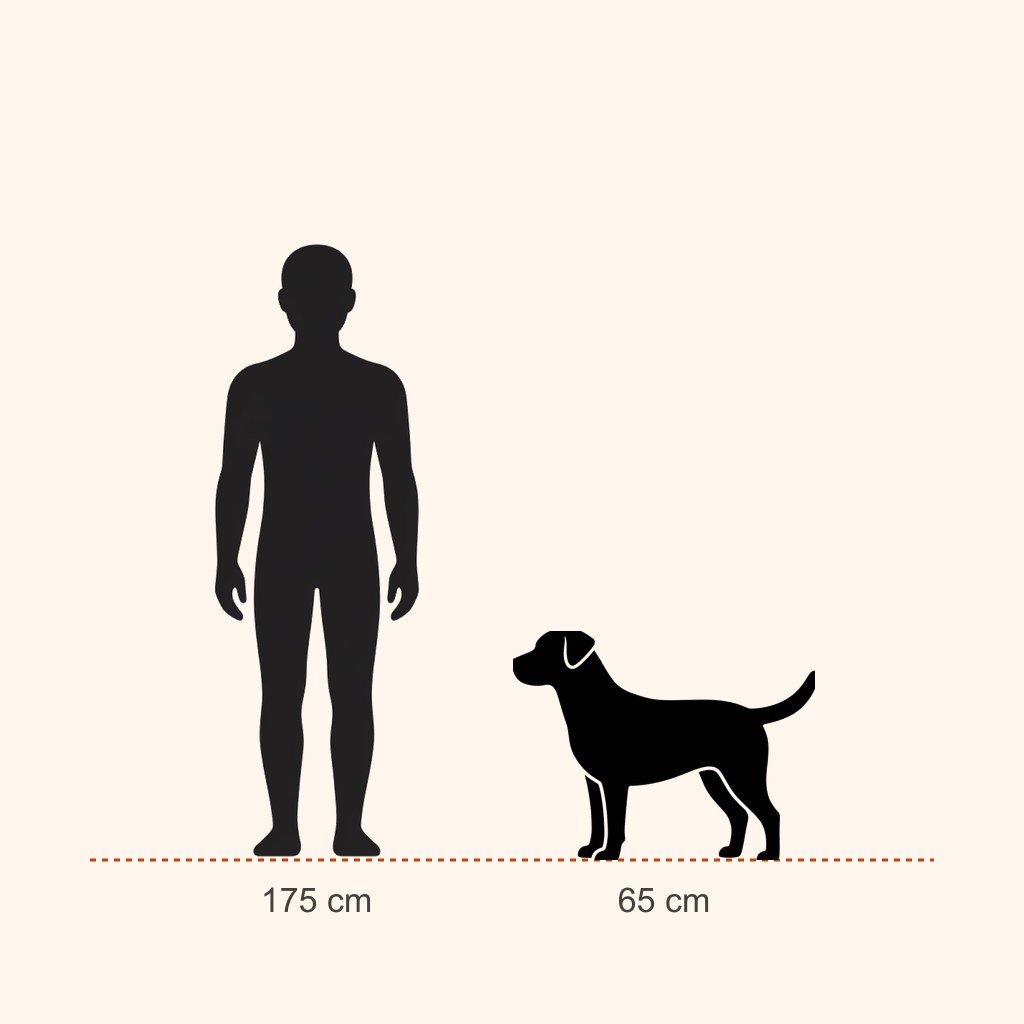
Bernese Mountain Dog Owner's Guide
Last updated:
Is a Bernese Mountain Dog right for you?
The Bernese is one of the best-loved giant breeds, known for its tricolour coat and calm temperament. Devoted to its family, extraordinarily patient with children, a gentle giant. But there is a hard fact to know before adopting: its average lifespan is around eight years and the cancer rate is very high.
| Situation | Suitability | Note |
|---|---|---|
| Apartment | Poor | Difficult because of size and coat |
| Family with young children | Excellent | Patient and gentle; supervision needed because of size |
| First-time dog owner | Moderate | Easy temperament; size, cost, and health monitoring are hard |
| Alone 8+ hours a day | Poor | Very attached to the family |
| Household with fur allergies | Very poor | Long double coat, sheds very heavily |
| Hot climate | Poor | An Alpine breed; struggles badly in summer |
| House with a garden, cool climate | Perfect | An environment suited to the breed |
| Owner not ready for a short life | Warning | Average lifespan 8 to 10 years |
Before you adopt
Ask the breeder for hip and elbow certification, an eye examination, and von Willebrand disease test results. Also ask about the lifespan of dogs in the family; long-lived lines are valuable in this breed.
Ask specifically about cancer history in the line. Histiocytic sarcoma is markedly more common in this breed than in others, and responsible breeders track it.
Temperament
The Bernese is calm, loyal, and affectionate. It bonds deeply with its family and wants to be near people; lying at your feet is its favourite activity.
It is extraordinarily patient with children, which is the breed's best-known quality.
It can be reserved and shy with strangers. Aggression is not part of the breed's character, but shyness is a common problem, so early socialisation is critical.
It is sensitive. It backs away from harsh voices; gentle, reward-based training is required.
Its energy level is moderate; it is not a running dog but enjoys a daily walk and light work. Carting comes from the breed's past and many individuals enjoy it.
The puppy period is long; it does not fully mature until two years of age.
Health issues and lifespan
Average lifespan is 8 to 10 years. This breed's health profile is the most important part of the adoption decision.
- Cancer: The breed's biggest problem and most common cause of death. Histiocytic sarcoma is markedly more common here than in other breeds; mast cell tumours and lymphoma also occur. A new lump, unexplained weight loss, or lethargy should be assessed without delay.
- Hip and elbow dysplasia: Common in giant breeds and at a high rate here. Parental certification is essential.
- Gastric torsion (bloat): An emergency in this deep-chested breed. Distended abdomen, retching, restlessness. Requires an immediate vet.
- Von Willebrand disease: An inherited bleeding disorder; knowing the status before surgery is vital.
- Degenerative myelopathy (DM): Progressive hind-limb weakness in old age; a genetic test exists.
- Aseptic meningitis (Bernese syndrome): An inflammatory disease in young dogs presenting with fever, neck pain, and lethargy.
- Heat sensitivity: The thick double coat and dark colour make hot summers a serious risk. Move exercise to cool hours and provide shade and cool flooring.
Feeding
An adult Bernese (35-55 kg) consumes 600-800 g of quality dry food per day.
- Puppy (2-24 months): Giant-breed puppy food is essential. Growth takes two years in this breed. Slow, controlled growth determines joint health. Do not keep the puppy chubby.
- Adult: 23-26% protein with balanced minerals.
- Senior (6+ years): This breed ages early; a senior protocol and joint support should be considered from age six.
Two to three meals a day; an hour of calm around feeding reduces the risk of gastric torsion.
Grooming and coat
A long, thick double coat. This is the breed's most demanding aspect.
- Brush two to three times a week; daily during seasonal changes. An undercoat rake is essential.
- Matting risk is heaviest behind the ears, on the ruff, in the armpits, on the rear leg feathering, and on the tail.
- Bathe every 8 to 12 weeks; complete drying is essential. Drying a dog this size takes time, and professional washing and drying is what most owners choose.
- Do not shave. The double coat also protects from sun and heat in summer.
- An orthopaedic bed; a heavy body causes pressure sores on hard flooring.
- Nails every three to four weeks, teeth several times a week.
- Weekly ear checks.
Training and exercise
Daily requirement: 45 to 60 minutes of moderate walking plus play. Exercise must be restricted during puppyhood; the joints close at 18 to 24 months, and until then long runs, jumping, and stairs should be limited.
Priorities:
- Socialisation (8-16 weeks). The most critical item in this breed because of the tendency to shyness.
- Size management. No jumping, no pulling, waiting at doors; taught in puppyhood.
- Leash discipline. If you cannot hold a 50 kg dog, the walk is not safe.
- Tolerating grooming. Brushing, drying, and nail trims are a lifelong routine.
- Heat awareness. Excessive panting and lethargy in summer must be taken seriously.
- Carting. For individuals that enjoy it, pulling a cart or sled suits the breed's history.
Work gently and with rewards; harsh methods break trust in this sensitive breed.
History
The Bernese Mountain Dog is a working farm dog from the canton of Bern in Switzerland. Its job was threefold: pulling the milk cart, herding livestock, and guarding the farm. Cart pulling shaped both its body structure and its calm temperament.
The breed is one of Switzerland's four Sennenhund (Alpine herding dog) breeds; the others are the Greater Swiss, the Appenzeller, and the Entlebucher. The Bernese is the long-coated one.
At the end of the 19th century mechanisation left the breed without a job and it nearly disappeared. It recovered in the early 1900s through the efforts of the Swiss professor Albert Heim, and the first breed club was founded in 1907.
The characteristic tricolour coat, with a black base, tan markings, and a white chest and facial blaze, is the breed's signature and is strictly defined in the standard. In Switzerland it is still seen today pulling carts at demonstrations on some farms.
This guide is for information only and is not a substitute for veterinary advice. Prices are approximate and vary by region and time.
Adoption Prep Checklist
Housing
-
Large-breed dog bed
A comfortable bed supports joint health.
Feeding
-
Large-breed dog food
Food matched to breed size gives the right nutritional balance.
-
Food and water bowl set
Needed for daily feeding and water access.
Grooming
-
De-shedding brush
Regular brushing reduces shedding and matting.
-
Dog nail clippers
Regular nail care matters for healthy walking.
-
Dog shampoo
Use a dog-specific shampoo for skin and coat health.
Walking & Activity
-
Running/exercise dog harness
Needed for safe walks.
-
Interactive dog puzzle toy
Mental and physical stimulation reduces behavior problems.
Frequently Asked Questions
Does the Bernese Mountain Dog shed?
It sheds heavily, especially at seasonal changes. Expect near-daily brushing and regular cleaning at home; it is not a good choice for anyone sensitive to pet hair.
Can the Bernese Mountain Dog live in an apartment?
Possible but not ideal. A house with outdoor space is preferable; in an apartment you will need to increase daily exercise substantially.
Is the Bernese Mountain Dog good with children?
Generally yes. It adapts well to families with children. Even so, interactions should be supervised and children taught to respect the animal’s boundaries.
Is the Bernese Mountain Dog suitable for first-time dog owners?
Partly. Someone with basic experience will manage well, but it would not be the first choice for a complete beginner.
How much exercise does the Bernese Mountain Dog need?
It is high-energy and needs vigorous daily activity. Mental stimulation matters as much as physical exercise; without enough to do, destructive behaviour follows.
Can the Bernese Mountain Dog be left alone during the day?
It can be left alone for a few hours. Long, routine absences can bring on boredom-driven behaviour problems; enrichment and a predictable routine reduce that risk.
How long does the Bernese Mountain Dog live?
The Bernese Mountain Dog lives 8-10 years on average. Diet, regular veterinary check-ups and early screening for hereditary conditions all affect this directly.
Where does the Bernese Mountain Dog come from?
The Bernese Mountain Dog originates from Switzerland. The geography a breed was developed in, and the job it was bred for, explain much of its temperament and care needs today.