

Bergamasco Sheepdog
The image on this page is AI-generated and does not depict a real animal.
- Species
- Dog
- Origin
- Italy
- Size
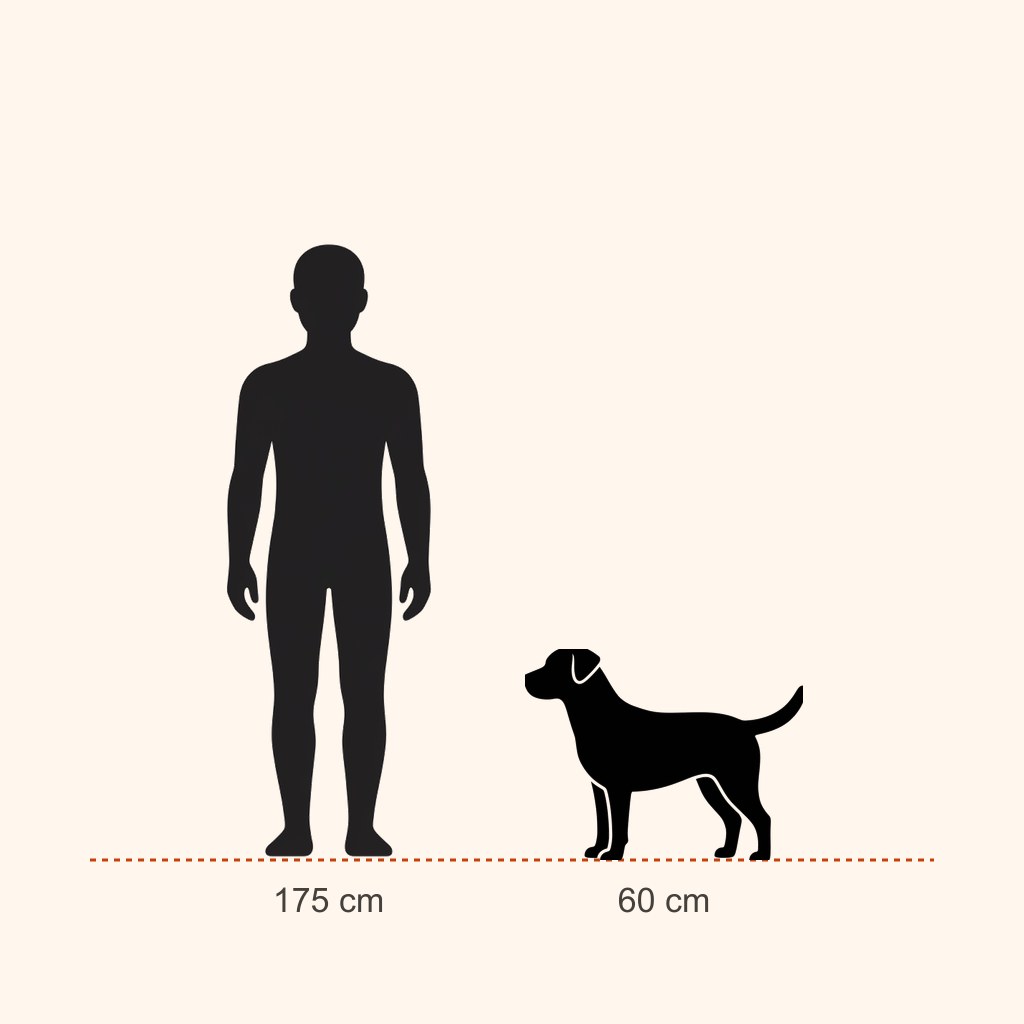
- Large
- Lifespan
- 12-15 years
- Temperament
- Calm loyal intelligent independent
- Description
Known for its characteristic felt-like matted coat layers, a calm Italian herding dog.
- Physical Traits
Naturally interlocking felt-like coat layers ('flocks'), a medium-to-large body.
- Care / Environment Info
A house with a garden is preferred. Its characteristic felted coat is shaped at a young age and afterward requires almost no brushing (needs specialized care knowledge). Moderate exercise needs.
Bergamasco Sheepdog Owner's Guide
Last updated:
Is a Bergamasco Sheepdog right for you?
The Bergamasco is a calm, independent herding and flock-guarding dog from the Italian Alps, whose coat naturally felts over time into thick mats called "flocks." The AKC describes this breed as "robustly healthy." Despite its dramatic look, its temperament is remarkably balanced and calm.
| Situation | Suitability | Note |
|---|---|---|
| Apartment | Caution | A calm breed, but its large body needs enough space |
| Family with young children | Good | Generally gets along well with children and other animals |
| First-time dog owner | Moderate | Its calm temperament helps, but its independent decisions require patience |
| Owner who travels often or spends little time home | Poor | A breed attached to its owner; does not like long stretches alone |
| Household with fur allergies | Caution | Does not shed loose fur, but sheds matted coat pieces — not a guaranteed solution for allergies |
| Owner who dislikes frequent grooming-salon visits | Good | Coat care is unusual but low-frequency |
| Home with open land and flock work available | Excellent | The setting best suited to this breed's original purpose |
The most commonly misunderstood aspect of the Bergamasco is its coat: matting is not a grooming failure but a natural, desired trait of the breed — though if not managed properly, it can also set the stage for skin problems.
Before you adopt
The Bergamasco is an extremely rare breed in Turkey; nearly all come from imported lines. Ask the breeder for hip and elbow certification and an eye exam document.
Meet the parents; this breed should not be overly timid or overly tense, and the standard describes a calm, balanced temperament. When getting a puppy, know that the coat is still soft and fluffy, unmatted; flock formation begins around 8-12 months of age — this is normal, not a sign of illness.
Temperament
The Bergamasco is calm, patient, and an independent thinker. Historically selected to work one-on-one with a shepherd, it evaluates situations and acts on its own rather than constantly waiting for commands.
It shows deep devotion to its family and generally gets along well with children and other animals. It is wary of strangers but not aggressive; it carries a protective attitude.
Unlike many other herding breeds, it is not overly active or a constant barker; it works with a calm, observant demeanour. This calmness should not be mistaken for laziness — it is determined and has strong stamina when working.
Health issues and lifespan
Sources generally give a lifespan of 12 to 15 years. Although the AKC describes this breed as "robustly healthy," some risks have been reported.
- Hip dysplasia: A common risk in large breeds; parent certification should be requested.
- Cataracts and other eye problems: Regular eye exams are recommended.
- Bloat (gastric dilatation-volvulus): A serious emergency in this large, deep-chested breed; divided meals and rest after eating are protective.
- Skin infections under the coat: The matted coat can trap moisture and dirt; without regular checks, this sets the stage for hot spots and fungal infections.
Feeding
An adult Bergamasco (26-38 kg) eats 350-450 g of quality dry food per day, adjusted for activity level.
- Puppy (2-18 months): Large-breed puppy food with controlled calcium levels; rapid growth raises the risk of joint problems.
- Adult: 22-26% protein; a moderate-energy food is usually sufficient for this calm breed.
- Senior (8+ years): Reduce calories and add joint support.
Because of bloat risk, two meals a day and an hour of rest after eating are recommended.
Grooming and coat
The Bergamasco's coat naturally mats through the mixing of three hair types (an oily undercoat, a harsh goat-like hair, and a woolly outer coat), forming flat mats called "flocks."
- Flock formation begins around 8-12 months of age; during this period the coat should be separated by hand into proper flocks, otherwise it can form one large matted mass.
- Once flocks are formed, maintenance is surprisingly low — no brushing is needed, just occasional hand checks and separating as needed.
- Bathing once to three times a year is enough; more frequent bathing makes the coat harder to dry and can lead to trapped moisture.
- Ears should be checked regularly.
- Trim nails every 3-4 weeks.
- The skin between flocks should be checked regularly; consult a vet if moisture, dirt, or redness is noticed.
Training and exercise
Daily requirement: 45-60 minutes of moderate exercise. Unlike high-energy breeds, the Bergamasco prefers steady, regular walks over explosive activity.
Priorities:
- Socialisation (8-16 weeks). Important because of its wary nature; early exposure to people, children, dogs, and different environments.
- Patient, consistent training. Because of its independent thinking, clear and calm guidance works better than repeated harsh commands.
- Boundary and territory training. Its protective instinct needs clarity about what it is guarding.
- Mental stimulation. Its independent problem-solving ability is strong; simple tasks and exploration opportunities meet this need.
- If it will work with livestock: Ideally raised together with the animals it will guard from puppyhood.
History
The Bergamasco's origins go back over 2,000 years, shaped in the Alpine valleys of Italy's Bergamo region. A widely accepted theory holds that dogs of Central Asian/Persian origin were brought to the region alongside nomadic shepherds and, over time, adapted to local conditions to form today's Bergamasco.
The breed's most defining trait is its one-on-one working relationship with a shepherd: the Bergamasco was selected to watch over and manage the flock independently rather than receive constant direction. This forms the basis of the breed's calm, decisive temperament today.
The Bergamasco came close to extinction in the mid-20th century as traditional shepherding and transhumance (seasonal flock migration) declined. The Italian association of Bergamasco enthusiasts founded in 1949, and especially the decades-long selective breeding work carried out by Dr. Maria Andreoli through her Dell'Albera kennel founded in 1966, ensured the breed's survival and its spread around the world.
This guide is for information only and is not a substitute for veterinary advice. Prices are approximate and vary by region and time.
Adoption Prep Checklist
Housing
-
Large-breed dog bed
A comfortable bed supports joint health.
Feeding
-
Large-breed dog food
Food matched to breed size gives the right nutritional balance.
-
Food and water bowl set
Needed for daily feeding and water access.
Grooming
-
Short-hair dog brush
Regular brushing reduces shedding and matting.
-
Dog nail clippers
Regular nail care matters for healthy walking.
-
Dog shampoo
Use a dog-specific shampoo for skin and coat health.
Walking & Activity
-
Dog leash and collar set
Needed for safe walks.
-
Plush dog toy
Mental and physical stimulation reduces behavior problems.
Frequently Asked Questions
Does the Bergamasco Sheepdog shed?
Shedding is low. Brushing once a week is usually enough, with a mild increase during seasonal changes.
Can the Bergamasco Sheepdog live in an apartment?
Possible but not ideal. A house with outdoor space is preferable; in an apartment you will need to increase daily exercise substantially.
Is the Bergamasco Sheepdog good with children?
Generally yes. It adapts well to families with children. Even so, interactions should be supervised and children taught to respect the animal’s boundaries.
Is the Bergamasco Sheepdog suitable for first-time dog owners?
No — it suits experienced owners. Its character, energy or care requirements would be demanding for a first-time owner.
How much exercise does the Bergamasco Sheepdog need?
It needs a moderate amount of exercise. Daily activity plus some play time makes for a balanced routine.
Can the Bergamasco Sheepdog be left alone during the day?
It tolerates being alone well. That makes it workable for someone employed full time, though it will still expect attention and activity on your return.
How long does the Bergamasco Sheepdog live?
The Bergamasco Sheepdog lives 12-15 years on average. Diet, regular veterinary check-ups and early screening for hereditary conditions all affect this directly.
Where does the Bergamasco Sheepdog come from?
The Bergamasco Sheepdog originates from Italy. The geography a breed was developed in, and the job it was bred for, explain much of its temperament and care needs today.