

Basset Hound
The image on this page is AI-generated and does not depict a real animal.
- Species
- Dog
- Origin
- France
- Size
- Small
- Lifespan
- 12-14 years
- Temperament
- Calm loyal friendly stubborn
- Description
Known for its keen sense of smell, a calm-natured and homely hunting dog.
- Physical Traits
Short dense coat (usually tricolor), very long drooping ears, a short-legged long body, large sorrowful eyes.
- Care / Environment Info
Suitable for apartment living. Its short coat sheds moderately, easy to maintain. Low-to-moderate exercise needs. Its drooping ears and loose skin need regular cleaning, and its strong scenting drive means a high tendency to track scents.
Basset Hound Owner's Guide
Last updated:
Is a Basset Hound right for you?
The Basset Hound, with its low-slung body, ground-sweeping ears, and mournful expression, is one of the most recognisable hounds. It is calm, friendly, and patient with children. Beneath that lazy look, however, is a stubborn scent hound that forgets the world once it finds a trail, and a voice far louder than its height suggests.
| Situation | Suitability | Note |
|---|---|---|
| Apartment | Moderate | Calm, but stairs strain its back and its baying can bother neighbours |
| Family with young children | Excellent | Patient, gentle, and sturdy |
| First-time dog owner | Moderate | Easy temperament, but stubbornness makes training a test of patience |
| Alone for long hours | Poor | A pack hound; howls when lonely and can develop separation anxiety |
| Off-lead countryside walks | Not suitable | Does not come back when following a scent |
| Home needing quiet | Poor | Deep, long baying is part of the breed |
| Low tolerance for hair and drool | Poor | Moderate shedding, drool, and a distinctive odour |
Accept two facts before getting a Basset: it is not safe off-lead, and keeping its weight down will be your most important job for its health.
Before you adopt
Ask the breeder for the parents' hip and elbow screening and eye examination results. Inherited primary open angle glaucoma occurs in the breed, and a DNA test has been developed to identify carriers; it is reasonable to ask about it.
Very droopy eyelids, extremely short and crooked legs, or heavy skin folds may be sold as "breed type", but they are sources of health problems. Choose parents of moderate build.
Look at the puppy's ears: odour, redness, or brown discharge point to ear trouble.
Bassets are common in shelters and rehoming listings, often surrendered because of noise or escaping. Adopting an adult is a very good option.
The Basset Hound is not on restricted-breed lists in most countries, but check local rules.
Temperament
The Basset is calm, gentle, and very friendly to people. Aggression is not part of the breed; it usually gets on well with other dogs and pets.
It is stubborn. Bred to track independently in a pack, it weighs a cue against a scent and usually picks the scent.
Its voice is its signature: alongside barking it produces a long, deep bay, selected to tell hunters where it was. It cannot be silenced completely.
It loves food, which helps training and creates counter and bin security problems. It is attached to its family and can develop separation anxiety if left alone for long periods.
Health issues and lifespan
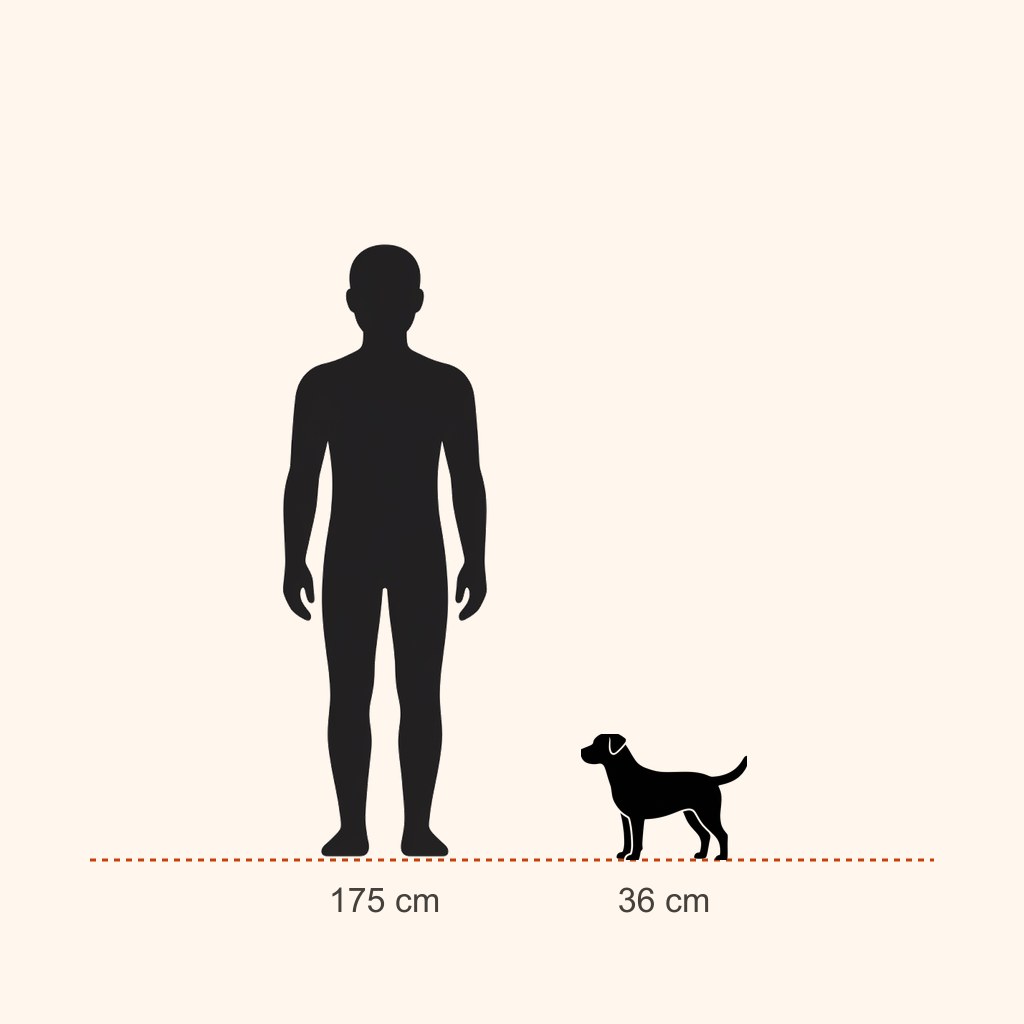
Sources usually give a lifespan of 12-13 years, some 12-15 years. Adults weigh 18-29 kg and stand no more than about 38 cm. Despite its height, think of it as a heavy-boned, medium-sized dog.
- Ear infections: Long, pendulous ears prevent airflow into the canal. Head shaking, scratching, odour, and redness are signs. The ears also drag on the ground and get dirty or injured.
- Eyelid problems and glaucoma: Sagging lower lids (ectropion) let dust in and cause chronic tearing. In glaucoma the eye becomes red, cloudy, or bluish, the pupil dilates, and the dog is in pain. Glaucoma is an emergency; sight can be lost within hours, so go to the vet immediately.
- Bloat (GDV): Its deep chest carries a risk. A swollen belly, retching without producing anything, restlessness, and drooling are a life-threatening emergency.
- Intervertebral disc disease (IVDD): A long back and short legs stress the discs. Sudden back pain, hind-leg weakness, or inability to walk need urgent examination.
- Obesity and joint disease: Hip and elbow dysplasia and arthritis occur; excess weight worsens all of them.
- Skin problems: Prone to seborrhoea and yeast infections in folds.
Feeding
An adult Basset (18-29 kg) is a low-energy dog; around 250-350 g of quality dry food a day is a typical starting point, adjusted to the feeding guide and body condition.
- Puppy (2-12 months): Large-breed puppy food is recommended; controlled growth may help reduce hip dysplasia risk. Three meals a day.
- Adult: Two measured meals a day. Measure every meal; a Basset always looks hungry.
- Senior (8+ years): Reduce calories and discuss joint support with your vet.
To reduce bloat risk, split the daily amount into at least two meals and avoid vigorous exercise around mealtimes. PetMD advises against raised food bowls. A slow-feeder bowl reduces gulping.
Grooming and coat
- Short, dense coat; a rubber brush once a week. Moderate shedding.
- Check ears at least weekly and clean them with a vet-recommended solution. The ears fall into the bowl while eating, so wipe them after meals.
- Wipe facial folds and lip edges with a damp cloth and dry them.
- Clean discharge from the inner corners of the eyes daily.
- Nails every three to four weeks; long nails distort the feet under a heavy body.
- A mild "hound smell" is normal; strong odour suggests an ear or skin infection.
Training and exercise
Daily requirement: 45-60 minutes of slow, sniff-rich walking. A Basset is not a running partner, but inactivity quickly turns into weight gain.
In hot weather walk during cooler hours; its chest is close to the ground and it suffers from hot pavement.
Priorities:
- Always on lead. Keep it leashed except in a securely fenced area. Once it has a scent, traffic, calls, and danger cease to exist.
- Scent games. Finding hidden treats at home or in the garden is the best mental exercise.
- Limit stairs and jumping. Restrict stairs and jumping off furniture in puppies and seniors; a ramp can help.
- Alone-time training. Start with short absences and build up.
- Recall. Use high-value rewards, but still don't trust it off-lead.
Punishment doesn't work; a Basset shuts down and becomes more stubborn. Motivate with food and keep sessions short.
History
The Basset Hound comes from France. "Basset" derives from the French "bas", meaning low. Short-legged hounds suited hunters on foot, who could follow game such as hare at a slow, steady pace.
The type gained popularity after the French Revolution, as hunting on foot became more common. It was taken to England in the 19th century, where crosses with the Bloodhound are said to have shaped today's heavier, more wrinkled type.
Its scenting ability is supported by a large nose, facial folds, and ears that brush the ground and are thought to help stir scent towards the nose. Today it is mostly a family dog, but its tracking instinct is fully intact.
This guide is for information only and is not a substitute for veterinary advice. Prices are approximate and vary by region and time.
Adoption Prep Checklist
Housing
-
Small-breed dog bed
A comfortable bed supports joint health.
Feeding
-
Small-breed dog food
Food matched to breed size gives the right nutritional balance.
-
Food and water bowl set
Needed for daily feeding and water access.
Grooming
-
De-shedding brush
Regular brushing reduces shedding and matting.
-
Dog nail clippers
Regular nail care matters for healthy walking.
-
Dog shampoo
Use a dog-specific shampoo for skin and coat health.
Walking & Activity
-
Dog leash and collar set
Needed for safe walks.
-
Plush dog toy
Mental and physical stimulation reduces behavior problems.
Training
-
Training treats / beginner training guide
Basic obedience training is recommended for first-time dog owners.
Frequently Asked Questions
Does the Basset Hound shed?
It sheds a moderate amount. Brushing two or three times a week noticeably reduces both loose hair and matting.
Can the Basset Hound live in an apartment?
Yes. It lives comfortably in an apartment as long as its daily needs are met. What matters is not floor area but consistent exercise and mental stimulation.
Is the Basset Hound good with children?
Generally yes. It adapts well to families with children. Even so, interactions should be supervised and children taught to respect the animal’s boundaries.
Is the Basset Hound suitable for first-time dog owners?
Yes. Its care and training are relatively forgiving, which makes it a sound choice for first-time owners.
How much exercise does the Basset Hound need?
Its energy level is low. Short, regular activity is enough; strenuous exercise is not required.
Can the Basset Hound be left alone during the day?
It can be left alone for a few hours. Long, routine absences can bring on boredom-driven behaviour problems; enrichment and a predictable routine reduce that risk.
How long does the Basset Hound live?
The Basset Hound lives 12-14 years on average. Diet, regular veterinary check-ups and early screening for hereditary conditions all affect this directly.
Where does the Basset Hound come from?
The Basset Hound originates from France. The geography a breed was developed in, and the job it was bred for, explain much of its temperament and care needs today.