

Basset Fauve de Bretagne
The image on this page is AI-generated and does not depict a real animal.
- Species
- Dog
- Origin
- France
- Size
- Small
- Lifespan
- 12-15 years
- Temperament
- Energetic stubborn friendly
- Description
Used for rabbit hunting, a small but energetic French hunting dog with short legs.
- Physical Traits
Wiry wheaten-colored (fauve) coat, a short-legged long body.
- Care / Environment Info
Can live in an apartment with adequate exercise. Its wiry coat sheds little. High exercise needs.
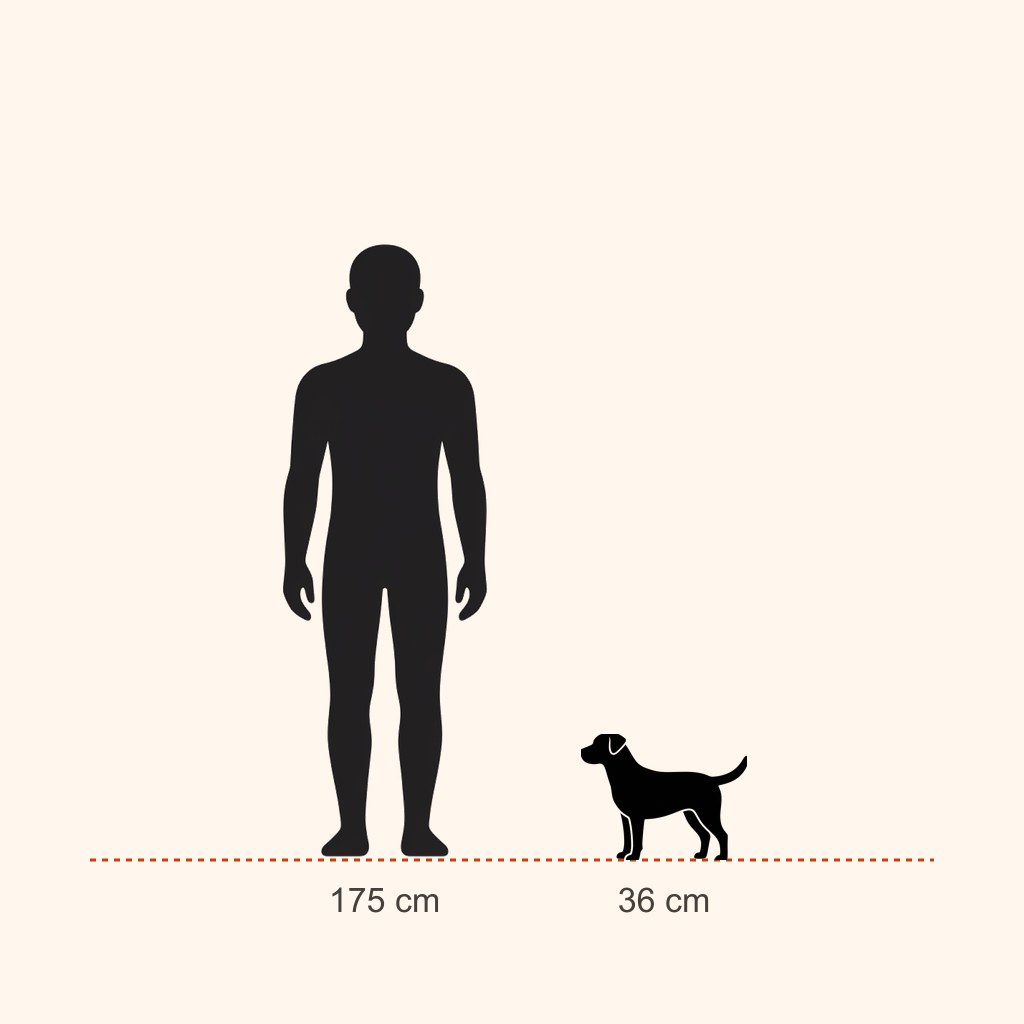
Basset Fauve de Bretagne Owner's Guide
Last updated:
Is a Basset Fauve de Bretagne right for you?
This small French scent hound from Brittany descends from the now-extinct, larger Grand Fauve de Bretagne. It has a short-legged build similar to the Basset Hound, but is much lighter and more agile, and was used as a tracking hound for rabbit, fox, and wild boar.
| Situation | Suitability | Note |
|---|---|---|
| Apartment | Moderate | Possible, but its strong prey drive and energy call for long daily walks |
| Family with young children | Good | Friendly and sturdy, enjoys play |
| First-time dog owner | Moderate | Despite its cute look, it has a stubborn hunting-dog character |
| House with a securely fenced garden | Good | Can wander off following a scent in an unfenced area |
| Home with other small pets | Poor | Strong prey drive; may chase cats and rodents |
| Household with fur allergies | Poor | The wiry coat sheds and needs regular grooming |
| Left alone for long hours | Poor | Can develop barking and destructive behavior when bored |
| Active owner who hikes or lives rurally | Excellent | Lets it use its energy and nose to the fullest |
The most realistic expectation with this breed: don't let the short legs and cute look fool you into thinking it's a calm lap dog. This is a genuine scent hound built to follow its nose, and once it catches a scent, regaining its attention can be difficult.
Before you adopt
This breed is extremely rare in Turkey; your odds of finding one through a shelter or rehoming listing are low. If considering a puppy from abroad, look for lines with eye exams (for glaucoma) in the parents.
An energetic, curious attitude is normal when meeting a puppy, but steer clear of one that seems excessively fearful or aggressive. The breed has recovered somewhat in the UK and France, but it's barely known in Turkey; if importing, factor in a long wait and the stress of transport.
Temperament
Lively, curious, and friendly. The FCI standard describes it as "lively, rapid for its size." Its enthusiasm for hunting is strong; once it picks up a scent, it won't give up the trail, so it can wander off if let off-lead.
It's attached to its family and usually gets along well with children. It has a stubborn streak and bores quickly with tedious, repetitive training. It gets on well with other dogs because it was developed to hunt in packs — a social trait that becomes an advantage in multi-dog households.
Its voice is loud; while tracking or excited, it produces a characteristic bay-bark mix. This behavior can't be fully suppressed, only managed.
Health issues and lifespan
Sources generally put the lifespan at 12 to 15 years.
- Primary open-angle glaucoma: A breed-specific condition caused by an autosomal recessive genetic mutation, raising eye pressure; it presents with redness, pain, cloudiness, and progressive blindness, and a genetic test is available.
- Ear infections: Its drop ears limit airflow; scratching, head shaking, odor, and redness are the signs, and regular checks help prevent them.
- Cataracts: Clouding of the eye's lens; track it with regular eye exams.
- Hip dysplasia: Reported less often than in other medium breeds but not entirely ruled out; limping can be a sign.
- Obesity: This breed has a strong appetite; weight control matters for spine and joint health.
Feeding
An adult Basset Fauve de Bretagne (16-18 kg) eats two meals a day of a quality medium-breed formula.
- Puppy (2-12 months): Medium-breed puppy food, three meals a day.
- Adult: Measure portions carefully; this breed always looks hungry, which relates more to a strong appetite signal than genuine hunger.
- Senior (8+ years): Reduce calories, add joint support.
If food treats are used frequently in training, subtract that amount from the daily calorie total. Given its short-legged, elongated build, extra weight puts added strain on the spine and leg joints, so weight management here is functional, not cosmetic.
Grooming and coat
Wiry, dense, wheaten ("fauve") coat; may have a white patch on the chest.
- Weekly brushing is enough; the coat repels dirt and grime well.
- Occasional professional hand-stripping can be done.
- Ears need a weekly check — the single most important grooming task for this breed given its drop-eared structure.
- Check eyes regularly; redness or cloudiness can signal glaucoma and needs urgent evaluation.
- Trim nails about once a month.
Training and exercise
Daily need: at least 1 to 1.5 hours of walking, running, and especially activities that let it use its nose. Its short-legged build can create an impression of low exercise needs, but this is an energetic scent hound.
Priorities:
- Socialization (8-16 weeks). Important for its friendly baseline temperament to develop well.
- Recall. Vital in a breed that gets easily distracted by scent; work with high-value rewards.
- Scent games. Hiding food in the garden or house, and tracking games, provide mental satisfaction.
- Consistent, reward-based training. Its stubborn streak calls for short, engaging sessions.
- Leash discipline. Pulling toward a scent should be corrected early.
History
The Basset Fauve de Bretagne was developed in France's Brittany region from the now-extinct, larger Grand Fauve de Bretagne. It's a scent hound bred to track prey such as rabbit, fox, roe deer, and wild boar.
The breed became rare at one point but has since recovered; France recorded around a thousand new registrations in 2002. The UK Kennel Club removed it from the rare breed register in 2007, granting it Championship status. The American Kennel Club welcomed the breed into the Hound Group in early 2026. Its "fauve" (wheaten/reddish) coat color is the source of the breed's name.
This guide is for information only and is not a substitute for veterinary advice. Prices are approximate and vary by region and time.
Adoption Prep Checklist
Housing
-
Small-breed dog bed
A comfortable bed supports joint health.
Feeding
-
Small-breed dog food
Food matched to breed size gives the right nutritional balance.
-
Food and water bowl set
Needed for daily feeding and water access.
Grooming
-
Short-hair dog brush
Regular brushing reduces shedding and matting.
-
Dog nail clippers
Regular nail care matters for healthy walking.
-
Dog shampoo
Use a dog-specific shampoo for skin and coat health.
Walking & Activity
-
Running/exercise dog harness
Needed for safe walks.
-
Interactive dog puzzle toy
Mental and physical stimulation reduces behavior problems.
Frequently Asked Questions
Does the Basset Fauve de Bretagne shed?
Shedding is low. Brushing once a week is usually enough, with a mild increase during seasonal changes.
Can the Basset Fauve de Bretagne live in an apartment?
Yes. It lives comfortably in an apartment as long as its daily needs are met. What matters is not floor area but consistent exercise and mental stimulation.
Is the Basset Fauve de Bretagne good with children?
Generally yes. It adapts well to families with children. Even so, interactions should be supervised and children taught to respect the animal’s boundaries.
Is the Basset Fauve de Bretagne suitable for first-time dog owners?
Partly. Someone with basic experience will manage well, but it would not be the first choice for a complete beginner.
How much exercise does the Basset Fauve de Bretagne need?
It is high-energy and needs vigorous daily activity. Mental stimulation matters as much as physical exercise; without enough to do, destructive behaviour follows.
Can the Basset Fauve de Bretagne be left alone during the day?
It can be left alone for a few hours. Long, routine absences can bring on boredom-driven behaviour problems; enrichment and a predictable routine reduce that risk.
How long does the Basset Fauve de Bretagne live?
The Basset Fauve de Bretagne lives 12-15 years on average. Diet, regular veterinary check-ups and early screening for hereditary conditions all affect this directly.
Where does the Basset Fauve de Bretagne come from?
The Basset Fauve de Bretagne originates from France. The geography a breed was developed in, and the job it was bred for, explain much of its temperament and care needs today.