

Barbet
The image on this page is AI-generated and does not depict a real animal.
- Species
- Dog
- Origin
- France
- Size
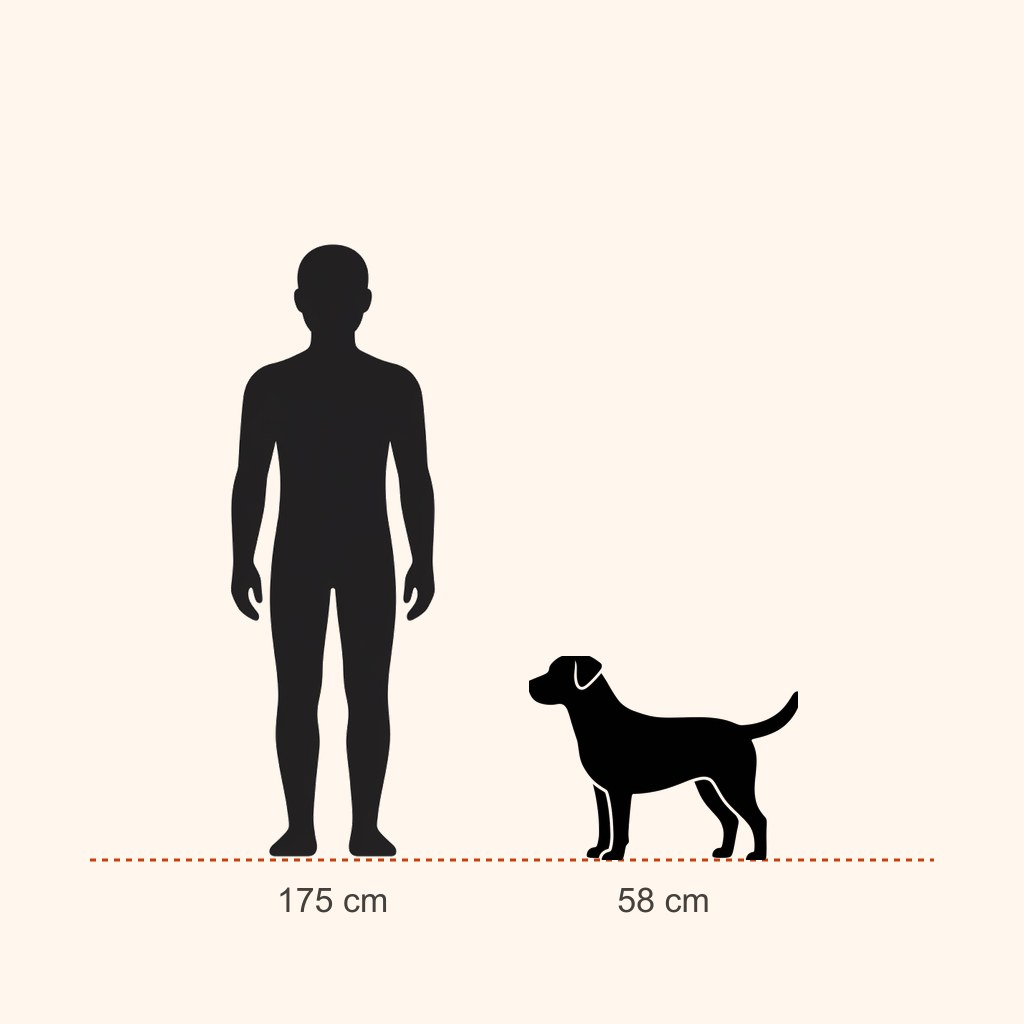
- Large
- Lifespan
- 12-14 years
- Temperament
- Friendly intelligent social
- Description
An old French water dog originally bred for water hunting, loving water very much.
- Physical Traits
Curly, dense water-resistant coat, a bearded facial expression, a medium-to-large body.
- Care / Environment Info
A house with a garden is preferred. Its curly coat barely sheds but requires regular clipping. High exercise needs, loves water.
Barbet Owner's Guide
Last updated:
Is a Barbet right for you?
The Barbet is one of France's ancient water dog breeds, named for the thick beard on its chin ("barbe"). Bred as a retriever for waterfowl hunting, it's known for its curly, almost non-shedding coat and a friendly temperament. The breed came close to extinction after World War II and survives today thanks to dedicated breeders.
| Situation | Suitability | Note |
|---|---|---|
| Apartment | Moderate | Possible, but it gets bored without long daily walks and water access |
| Family with young children | Good | Patient, playful, and tolerant; a good family dog |
| First-time dog owner | Good | Gentle and eager to learn, but coat care is a serious commitment |
| Household with fur allergies | Moderate | Hair-type coat sheds little but needs regular, intensive grooming |
| Near water — lake or sea | Excellent | Its natural passion for swimming pays off in this setting |
| Left alone for long hours | Poor | Attached to its owner; doesn't handle loneliness well |
| Owner with little time for grooming | Poor | The ever-growing coat mats quickly without weekly brushing |
| Active owner who enjoys the outdoors | Excellent | Thrives on long walks, swimming, and play |
The biggest misconception about this breed: "low-shedding dog" doesn't mean low-maintenance dog. The Barbet's coat grows continuously like human hair; without regular brushing and trimming it mats quickly and can lead to skin problems.
Before you adopt
The Barbet remains a limited-population breed worldwide, and you're unlikely to find one through a shelter or rehoming listing in Turkey. If considering a puppy from abroad, look for lines with hip evaluations and eye exams (for entropion and cataracts) in the parents.
Because the breed's population is small, relatedness between dogs can run high; a reputable breeder should be transparent about this. When you visit a puppy, talk with the breeder about how much time and effort the coat actually takes — a gap in that understanding is one of the most common reasons owners later regret the adoption.
Temperament
Cheerful, affectionate, and intelligent. It bonds strongly with its family and, with good socialization, gets along well with children and other pets. It's highly trainable but bores quickly with repetitive drills; short, fun sessions work better.
Its passion for water is a defining trait — don't be surprised if it jumps straight into a pond or the sea. It responds well to a gentle, patient approach; harsh methods erode trust in this sensitive breed. It's generally open and friendly with other dogs and strangers, which — unlike many working breeds — makes it an easier fit for busy, social households.
Health issues and lifespan
Sources generally put the lifespan at 13 to 15 years; it's considered generally healthy, though the small population means broad health data is limited.
- Hip dysplasia: A joint development disorder that can cause lameness and pain later in life; parents with hip certification (such as OFA) lower the risk.
- Entropion: Inward-rolling eyelid; signs include tearing, redness, and scratching, and surgical correction may be needed.
- Cataracts: Clouding of the eye's lens that can progress to vision loss; track it with regular eye exams.
- Epilepsy: Presents as seizures; other causes must be ruled out for diagnosis.
- Immune issues and allergies: Can show up as skin itching and recurring infection; reported in some lines.
Feeding
An adult Barbet (18-27 kg) eats two meals a day of a quality medium-to-large breed formula.
- Puppy (2-12 months): Medium-to-large breed puppy food; keep calories and calcium balanced to avoid too-rapid growth.
- Adult: Portion by activity level; dogs that swim and walk long distances often need more.
- Senior (8+ years): Reduce calories, add joint support.
Grooming and coat
Long, dense, curly coat; the hair texture resembles human hair and grows continuously with almost no shedding.
- Full-body brushing at least once, ideally twice a week is essential to prevent matting — neglect it and matting sets in quickly.
- Because the coat keeps growing, it needs trimming or clipping every few months.
- Ear hair should be plucked regularly and paw-pad hair kept short.
- Dry the coat thoroughly after swimming; a heavy, damp coat can irritate the skin.
- Support from a professional groomer is helpful, especially in the first year.
Training and exercise
Daily need: at least 1 to 1.5 hours, including long walks, free running, and swimming when possible. This is a sporting/hunting breed; without enough activity it channels its energy into destructive behavior.
Priorities:
- Socialization (8-16 weeks). Early experiences matter for its friendly baseline temperament to develop well.
- Gentle, reward-based training. Given its sensitivity, praise and rewards work better than harsh corrections.
- Water safety. As much as it loves swimming, early experiences in open water should be supervised, with a life jacket.
- Recall. A strong foundation is needed to regain its attention once it catches the scent of water or game.
- Retrieving and scent games. These provide mental stimulation suited to its hunting-dog roots and prevent boredom.
History
The Barbet is a French water dog breed with a history dating back to the 16th century, depicted in artwork of the period. It was bred to retrieve downed waterfowl from the water for hunters, and its name comes from the characteristic beard on its chin.
The breed's population dropped sharply after World War II, bringing it to the brink of extinction. Starting in the 1970s, French breeders rebuilt the population gradually through deliberate breeding programs. The Barbet gained official recognition from the UK Kennel Club in 2018 and the American Kennel Club in 2020. It remains a rare breed today, but its suitability for water sports and family life is slowly growing its popularity.
This guide is for information only and is not a substitute for veterinary advice. Prices are approximate and vary by region and time.
Adoption Prep Checklist
Housing
-
Large-breed dog bed
A comfortable bed supports joint health.
Feeding
-
Large-breed dog food
Food matched to breed size gives the right nutritional balance.
-
Food and water bowl set
Needed for daily feeding and water access.
Grooming
-
Short-hair dog brush
Regular brushing reduces shedding and matting.
-
Dog nail clippers
Regular nail care matters for healthy walking.
-
Dog shampoo
Use a dog-specific shampoo for skin and coat health.
Walking & Activity
-
Running/exercise dog harness
Needed for safe walks.
-
Interactive dog puzzle toy
Mental and physical stimulation reduces behavior problems.
Training
-
Training treats / beginner training guide
Basic obedience training is recommended for first-time dog owners.
Frequently Asked Questions
Does the Barbet shed?
Shedding is low. Brushing once a week is usually enough, with a mild increase during seasonal changes.
Can the Barbet live in an apartment?
Possible but not ideal. A house with outdoor space is preferable; in an apartment you will need to increase daily exercise substantially.
Is the Barbet good with children?
Generally yes. It adapts well to families with children. Even so, interactions should be supervised and children taught to respect the animal’s boundaries.
Is the Barbet suitable for first-time dog owners?
Yes. Its care and training are relatively forgiving, which makes it a sound choice for first-time owners.
How much exercise does the Barbet need?
It is high-energy and needs vigorous daily activity. Mental stimulation matters as much as physical exercise; without enough to do, destructive behaviour follows.
Can the Barbet be left alone during the day?
It can be left alone for a few hours. Long, routine absences can bring on boredom-driven behaviour problems; enrichment and a predictable routine reduce that risk.
How long does the Barbet live?
The Barbet lives 12-14 years on average. Diet, regular veterinary check-ups and early screening for hereditary conditions all affect this directly.
Where does the Barbet come from?
The Barbet originates from France. The geography a breed was developed in, and the job it was bred for, explain much of its temperament and care needs today.