

Australian Kelpie
The image on this page is AI-generated and does not depict a real animal.
- Species
- Dog
- Origin
- Australia
- Size
- Medium
- Lifespan
- 12-14 years
- Temperament
- Very energetic intelligent hard-working independent
- Description
Bred for herding sheep, a herding dog known for its stamina and work drive.
- Physical Traits
Short dense coat (various colors), upright ears, an athletic medium-sized body.
- Care / Environment Info
A house with a garden, active household is essential. Its short coat sheds little-to-moderately, easy to maintain. Very high exercise and job/task needs.
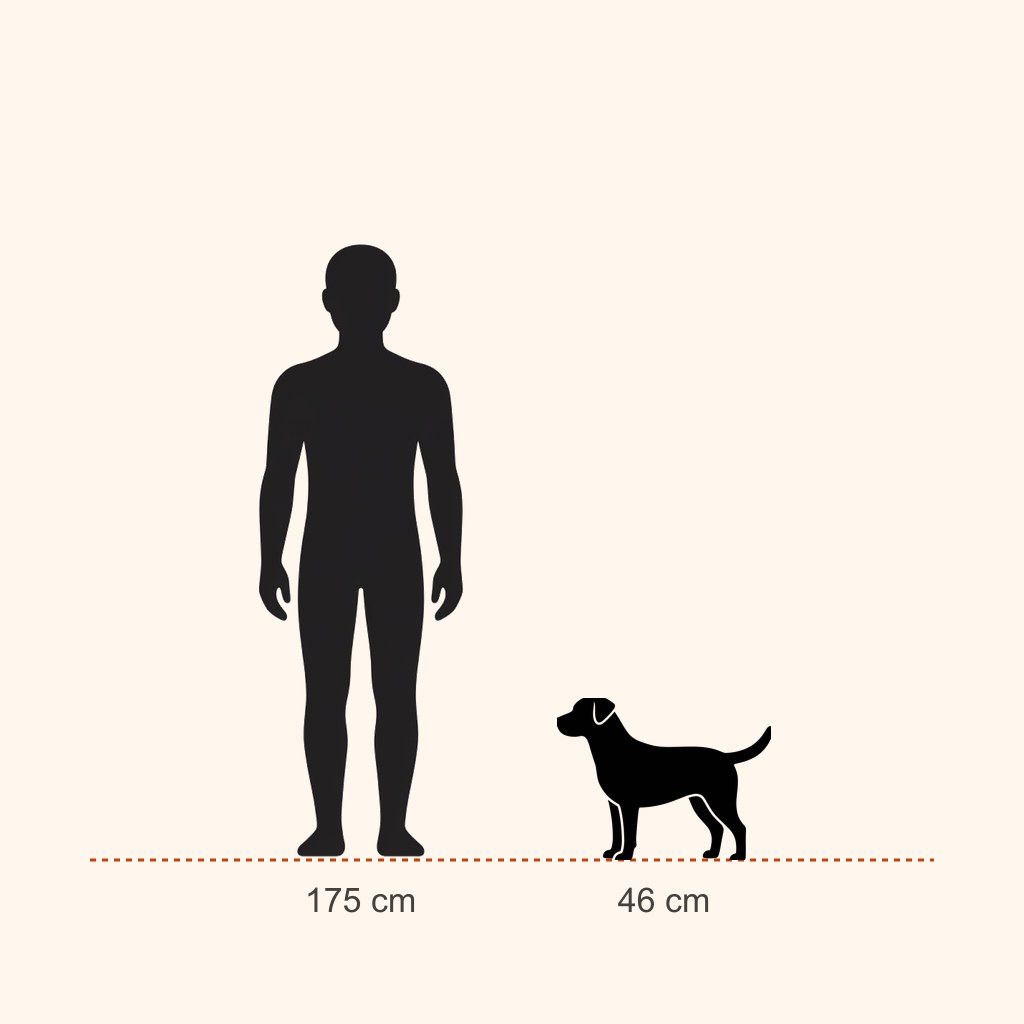
Australian Kelpie Owner's Guide
Last updated:
Is an Australian Kelpie right for you?
The Australian Kelpie is Australia's legendary working dog: a tireless work capacity, boundless energy, and razor-sharp intelligence. It was selected to manage a flock of sheep alone for hours on a station, which also makes it one of the most demanding breeds for an average family home.
| Situation | Suitability | Note |
|---|---|---|
| Apartment | Very poor | This breed's energy level never matches a small space |
| Family with young children | Caution | Affectionate when well socialised, but herding behaviour can target kids |
| First-time dog owner | Poor | Its need for exercise and mental work quickly overwhelms an inexperienced owner |
| Farm, large property, active lifestyle | Excellent | This is the breed's purpose |
| Alone 8+ hours a day | Very poor | Anxiety, destructiveness, and excessive barking are almost inevitable |
| Owner into dog sports (agility) | Excellent | Outstanding performance in agility, dock diving, rally |
| Living with other dogs | Caution | Can be jealous of its owner's attention; prefers being the sole focus |
| Household with fur allergies | Moderate | Short coat but sheds steadily |
Seeing the Kelpie as "a small, cute herding dog" is a major mistake — this breed was bred to work for hours a day, and when that need isn't met it invents its own job around the house.
Before you adopt
If buying from a breeder, ask for hip and elbow dysplasia certification and an eye exam (for Collie eye anomaly and progressive retinal atrophy). Ask about any known family history of neurological disease (degenerative myelopathy, cerebellar abiotrophy).
If you're considering this breed purely as a companion, with no job for it, reconsider — the Kelpie's welfare depends directly on how much work or exercise it gets.
Purebred Kelpie lines are hard to find in Turkey; Working Kelpie-type dogs sometimes turn up as mixed breeds in farm-dog listings. If you take on one of these, assess its energy level realistically beforehand.
Temperament
The Australian Kelpie is intelligent, extremely energetic, and deeply devoted to its owner. It's always ready for adventure and loves spending time with its family above all else.
Its devotion to its owner can sometimes tip into jealousy; it can be sensitive about attention shared with other dogs. With early, proper socialisation it builds good relationships with children, though it's best paired with kids who've learned to respect dogs.
Its herding instinct is strong — it may try to gather or redirect running children, bicycles, or other animals. This isn't aggression, but it does need to be managed.
It has a natural protective instinct and makes a good watchdog.
Health issues and lifespan
Sources report an average lifespan of 10 to 13 years; the breed is generally considered hardy with relatively few health issues.
- Hip dysplasia: The hip joint doesn't seat properly, leading to cartilage and bone wear; ask for parent certification.
- Degenerative myelopathy (DM) and cerebellar abiotrophy (CA): Two inherited neurological disorders reported in this breed; DM causes progressive hind-limb weakness, CA affects balance and coordination. Genetic tests exist.
- Eye conditions: Chronic superficial keratitis, progressive retinal atrophy, and Collie eye anomaly have been reported; regular eye exams are recommended.
- Patellar luxation: A joint issue noticed through limping.
- Intestinal lipid malabsorption: A rare condition noted in some sources that can cause digestive problems.
Feeding
An adult Australian Kelpie (16-23 kg / 35-50 lb) eats about 280-380 g of quality dry food a day; increase noticeably for working or highly active dogs.
- Puppy (2-15 months): Medium-breed puppy food, three meals a day.
- Adult: Two meals a day, 24-28% protein — energy density is critical for a breed this active.
- Senior (9+ years): Adjust calories, add joint support.
Grooming and coat
Short, straight, harsh-textured double coat.
- Brush 1-2 times a week; more during seasonal shedding.
- Bathe every 8-12 weeks or when dirty.
- Nails every 3-4 weeks.
- If used heavily on a farm or in the field, check for ticks and paw injuries after every outing.
Training and exercise
Daily need: at least 1.5-2 hours of intense physical exercise plus regular mental work. This is one of the most common adoption mistakes: Kelpies taken on as "energetic but small" without being given enough of a job go on to develop serious behaviour problems.
Priorities:
- An outlet for its drive to work. If real herding work isn't possible, structured activities like agility, treibball, or fetch are essential.
- Mental stimulation. Puzzle feeders, scent work, and learning new commands should be part of the daily routine.
- Socialisation (8-16 weeks). Early, positive exposure to other dogs and children.
- Managing herding drive. Redirect chasing of running children or bicycles from an early age.
- Recall and leash discipline.
Consistent, reward-based training gives the best results; this breed is extremely quick to learn and just as quick to get bored.
History
The Australian Kelpie traces back to collie-type herding dogs brought from Scotland to Australia in the late 1800s; the breed took shape at Warrock station near Casterton in Victoria and was declared an official breed in 1905.
There's a long-standing popular claim that the breed was developed by crossing these dogs with the dingo, but a peer-reviewed genetic study in 2019 found no detectable dingo DNA in Kelpies; the visual similarities may come from convergent adaptation to a similarly harsh climate rather than genetic relatedness.
Today the Kelpie is one of the most preferred working dogs on cattle and sheep farms worldwide, and it's still widely bred for that purpose in Australia. Its popularity as a family pet has grown, but that shift often comes paired with underestimating the breed's real needs — the "cute, energetic dog" image seen on social media can obscure the reality of an animal that wants hours of work every day.
This guide is for information only and is not a substitute for veterinary advice. Prices are approximate and vary by region and time.
Adoption Prep Checklist
Housing
-
Medium-breed dog bed
A comfortable bed supports joint health.
Feeding
-
Medium-breed dog food
Food matched to breed size gives the right nutritional balance.
-
Food and water bowl set
Needed for daily feeding and water access.
Grooming
-
De-shedding brush
Regular brushing reduces shedding and matting.
-
Dog nail clippers
Regular nail care matters for healthy walking.
-
Dog shampoo
Use a dog-specific shampoo for skin and coat health.
Walking & Activity
-
Running/exercise dog harness
Needed for safe walks.
-
Interactive dog puzzle toy
Mental and physical stimulation reduces behavior problems.
Frequently Asked Questions
Does the Australian Kelpie shed?
It sheds a moderate amount. Brushing two or three times a week noticeably reduces both loose hair and matting.
Can the Australian Kelpie live in an apartment?
Not recommended. It needs a large garden or open space. Kept in confined quarters, restlessness and behavioural problems are the expected outcome.
Is the Australian Kelpie good with children?
Caution is warranted. With proper socialisation and adult supervision it can live with children, but it is not a first choice for homes with young children.
Is the Australian Kelpie suitable for first-time dog owners?
No — it suits experienced owners. Its character, energy or care requirements would be demanding for a first-time owner.
How much exercise does the Australian Kelpie need?
It is high-energy and needs vigorous daily activity. Mental stimulation matters as much as physical exercise; without enough to do, destructive behaviour follows.
Can the Australian Kelpie be left alone during the day?
It can be left alone for a few hours. Long, routine absences can bring on boredom-driven behaviour problems; enrichment and a predictable routine reduce that risk.
How long does the Australian Kelpie live?
The Australian Kelpie lives 12-14 years on average. Diet, regular veterinary check-ups and early screening for hereditary conditions all affect this directly.
Where does the Australian Kelpie come from?
The Australian Kelpie originates from Australia. The geography a breed was developed in, and the job it was bred for, explain much of its temperament and care needs today.