

Appenzeller Sennenhund
The image on this page is AI-generated and does not depict a real animal.
- Species
- Dog
- Origin
- Switzerland
- Size
- Medium
- Lifespan
- 12-15 years
- Temperament
- Lively intelligent alert loyal
- Description
One of Switzerland's farm/herding dogs; an energetic and hard-working herding dog.
- Physical Traits
Short dense tricolor (black-brown-white) coat, a muscular medium-sized body.
- Care / Environment Info
A house with a garden is preferred. Its short coat sheds moderately, easy to maintain. High exercise needs.
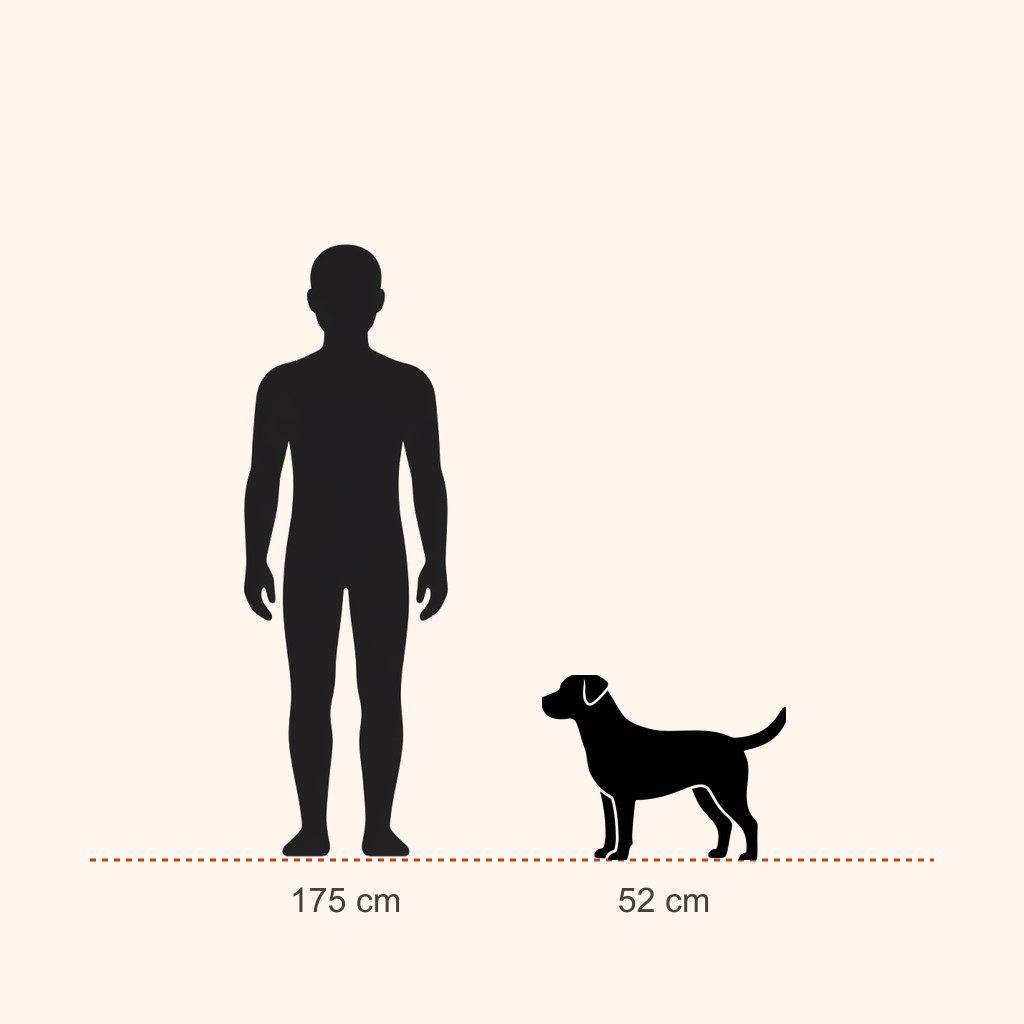
Appenzeller Sennenhund Owner's Guide
Last updated:
Is an Appenzeller Sennenhund right for you?
The Appenzeller Sennenhund comes from the Appenzell region of the Swiss Alps and is known for its tricolour coat and cattle-droving background — a medium-sized, muscular, and remarkably energetic farm dog. Think of it as a smaller, far livelier relative of the Bernese Mountain Dog; it is not a calm living-room dog.
| Situation | Suitability | Note |
|---|---|---|
| Apartment | Poor | High energy plus a strong tendency to bark causes problems in a small space |
| Family with young children | Moderate, with care | Devoted to family, but herding drive and dominant behaviour need supervision around kids |
| First-time dog owner | Poor | Independent, dominant character needs an experienced, decisive owner |
| Farm or large property, active family | Excellent | This is the breed's purpose; it settles once given work and space |
| Alone 8+ hours a day | Poor | A bored dog becomes destructive, barks excessively, and grows tense |
| Owner into dog sports | Excellent | Excels at agility, obedience, herding, and search and rescue |
| Living with other dogs | Caution | Dominant character means introductions should be gradual |
| Close-set neighbours | Poor | Strong guarding instinct; vocal reaction to strangers |
The most underestimated part of the Appenzeller is how firm its character is: affectionate, yes, but dominant and eager to learn while pushing at boundaries. Weak leadership doesn't work with this breed.
Before you adopt
If buying from a breeder, ask for hip and elbow dysplasia certification and an eye exam result. Because breeders are scarce outside Switzerland, questioning the line and health history matters even more.
Plan to introduce the puppy early to any children and other animals it may try to herd; missing the socialisation window in this breed can make dominant behaviour permanent.
This breed has almost no established breeder presence in Turkey; people looking to adopt one usually turn to breed clubs in Europe (especially Switzerland and Germany) and plan the import process from the start.
Temperament
Its official description is "lively, high-spirited, self-assured, reliable, and fearless." The Appenzeller learns quickly, moves with great agility, and is surprisingly sensitive to human emotion.
It has a dominant, persistent nature — a trait that served it well working unruly cattle but demands firm leadership at home. The tendency to test boundaries becomes clear during adolescence.
It bonds deeply with family and is suspicious of strangers, making it a natural watchdog. Without enough leadership or exercise it can develop manipulative, stubborn, and high-strung behaviour.
Health issues and lifespan
Sources report an average lifespan of 12 to 15 years, with some individuals reported living to 17. It's generally considered a sturdy breed with few hereditary problems.
- Hip and elbow dysplasia: Abnormal joint development; ask for parent certification, and weight control plus measured exercise reduce risk.
- Bloat (gastric dilatation-volvulus): Its deep-chested build carries this risk; a swollen abdomen, unproductive retching, and restlessness require emergency veterinary care.
- Entropion/ectropion: Eyelids turning inward or outward; watering and irritation are the signs, corrected surgically if needed.
- Patellar luxation: The kneecap slipping out of place; shows as limping.
- Progressive retinal atrophy (PRA) and cataracts: Inherited eye conditions; monitor with regular eye exams.
- Epilepsy: Reported in some sources; seizures are usually manageable with medication.
Feeding
An adult Appenzeller Sennenhund (22-32 kg) eats about 350-450 g of quality dry food a day; increase for working or highly active dogs.
- Puppy (2-15 months): Medium/large-breed puppy food, three meals a day. Controlled growth matters, since rapid weight gain can harm joint development.
- Adult: Two meals a day, 24-28% protein — energy density matters for this high-drive working breed.
- Senior (8+ years): Reduce calories and add joint support.
Because of bloat risk, avoid heavy exercise for an hour before and after meals.
Grooming and coat
Short-to-medium, dense, water-resistant double coat in a black, brown, and white tricolour pattern.
- Brush 2-3 times a week; daily during seasonal shedding, with an undercoat rake.
- Bathe every 8-12 weeks or when dirty.
- Nails every 3-4 weeks; brush teeth several times a week.
- Check ears weekly.
- If used heavily on a farm or in the field, check for ticks after every outing.
Training and exercise
Daily need: at least 1.5-2 hours of intense physical exercise plus regular mental work.
Priorities:
- Early, consistent leadership. Its dominant character needs clear rules and boundaries; inconsistency turns into behaviour problems.
- Socialisation (8-16 weeks). Gradual, positive exposure to other dogs, children, and strangers.
- Dog sports. Agility, obedience, herding, or search and rescue burn both mental and physical energy together.
- Managing herding drive. Redirect its urge to herd running children or bicycles.
- Bark management. Its guarding instinct is strong; without early intervention it becomes a habit.
Harsh methods backfire with this breed; its persistent, sometimes manipulative character needs a respectful but firm approach.
History
The Appenzeller Sennenhund is one of four Swiss mountain dog (Sennenhund) breeds shaped over centuries in the Appenzell canton of Switzerland to herd livestock, pull carts, and guard the farm. It's thought to descend from a mix of Roman-era mastiffs and local Alpine dogs.
The breed was first described in writing in 1853, though its modern standard was set by Swiss cynologists in the early 20th century. It's less known than the other Sennenhund breeds (Bernese, Greater Swiss, Entlebucher) and remains quite rare outside Switzerland.
It's still used as a working farm dog in Switzerland today; its success in agility and herding sports is a testament to the energy and intelligence bred into it. Its difference from the other three Sennenhund breeds is its smaller size and a markedly livelier, more "working dog" temperament — someone hoping for the Bernese's calm, homebody nature may be disappointed by an Appenzeller.
This guide is for information only and is not a substitute for veterinary advice. Prices are approximate and vary by region and time.
Adoption Prep Checklist
Housing
-
Medium-breed dog bed
A comfortable bed supports joint health.
Feeding
-
Medium-breed dog food
Food matched to breed size gives the right nutritional balance.
-
Food and water bowl set
Needed for daily feeding and water access.
Grooming
-
De-shedding brush
Regular brushing reduces shedding and matting.
-
Dog nail clippers
Regular nail care matters for healthy walking.
-
Dog shampoo
Use a dog-specific shampoo for skin and coat health.
Walking & Activity
-
Running/exercise dog harness
Needed for safe walks.
-
Interactive dog puzzle toy
Mental and physical stimulation reduces behavior problems.
Frequently Asked Questions
Does the Appenzeller Sennenhund shed?
It sheds a moderate amount. Brushing two or three times a week noticeably reduces both loose hair and matting.
Can the Appenzeller Sennenhund live in an apartment?
Possible but not ideal. A house with outdoor space is preferable; in an apartment you will need to increase daily exercise substantially.
Is the Appenzeller Sennenhund good with children?
Generally yes. It adapts well to families with children. Even so, interactions should be supervised and children taught to respect the animal’s boundaries.
Is the Appenzeller Sennenhund suitable for first-time dog owners?
Partly. Someone with basic experience will manage well, but it would not be the first choice for a complete beginner.
How much exercise does the Appenzeller Sennenhund need?
It is high-energy and needs vigorous daily activity. Mental stimulation matters as much as physical exercise; without enough to do, destructive behaviour follows.
Can the Appenzeller Sennenhund be left alone during the day?
It can be left alone for a few hours. Long, routine absences can bring on boredom-driven behaviour problems; enrichment and a predictable routine reduce that risk.
How long does the Appenzeller Sennenhund live?
The Appenzeller Sennenhund lives 12-15 years on average. Diet, regular veterinary check-ups and early screening for hereditary conditions all affect this directly.
Where does the Appenzeller Sennenhund come from?
The Appenzeller Sennenhund originates from Switzerland. The geography a breed was developed in, and the job it was bred for, explain much of its temperament and care needs today.