

American Water Spaniel
The image on this page is AI-generated and does not depict a real animal.
- Species
- Dog
- Origin
- United States
- Size
- Medium
- Lifespan
- 12-14 years
- Temperament
- Intelligent loyal energetic
- Description
Bred for waterfowl hunting, a versatile hunting dog that loves water.
- Physical Traits
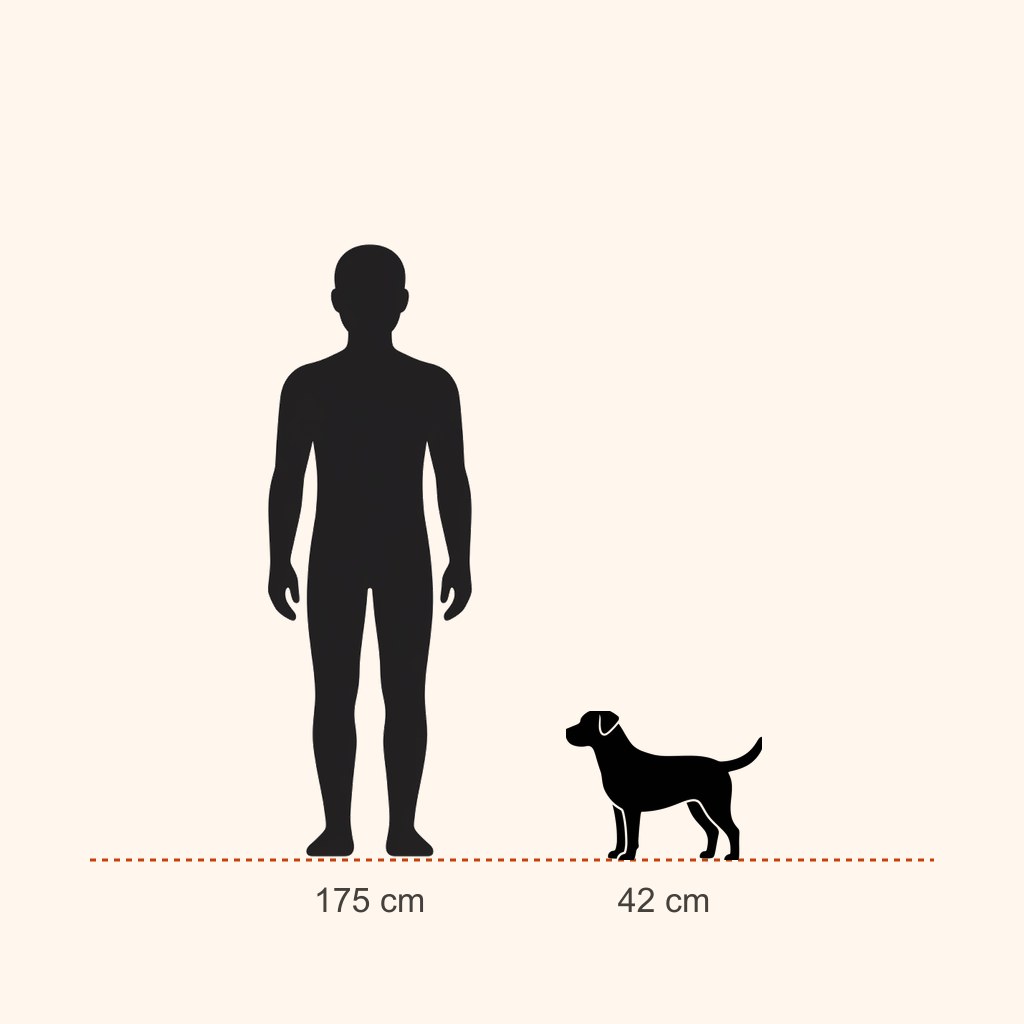
Curly/wavy water-resistant coat (brown tones), a medium-sized compact body.
- Care / Environment Info
Can live in an apartment with adequate exercise. Its curly coat needs regular brushing. High exercise needs, loves water.
American Water Spaniel Owner's Guide
Last updated:
Is an American Water Spaniel right for you?
The American Water Spaniel was developed in Wisconsin as a sturdy, medium-sized spaniel able to hunt on land and in cold water alike. It's the official state dog of Wisconsin, yet it remains extremely rare worldwide; the total population at any given time is estimated at only a few thousand dogs.
| Situation | Suitability | Note |
|---|---|---|
| Apartment | Moderate to poor | An active hunting dog; grows restless without daily exercise |
| Family with young children | Good | Cheerful and eager, though it can be aloof with strangers |
| First-time dog owner | Moderate | Independent-minded and a bit stubborn |
| Family living near water | Excellent | Waterproof coat and a passion for swimming — this is the breed's purpose |
| Hunter or outdoor athlete | Excellent | One of the few spaniel breeds able to work both land and water |
| Household with fur allergies | Poor | Thick, dense coat that sheds continuously |
| Alone 8+ hours a day | Poor | Bonds closely with family; can become destructive when bored |
| Open, highly social households with visitors | Moderate | Naturally reserved with strangers |
This breed is so rare that adopting one in Turkey is close to impossible; if you do find a rare individual, question the breeder about the line and health history carefully.
Before you adopt
If buying from a breeder, ask for a cardiac exam (auscultation and, if needed, echocardiography) and a hip evaluation — the breed's most serious known health risk is heart valve disease.
The breed's small total numbers mean a narrow gene pool, so it matters that a breeder is transparent about relatedness in their lines.
Don't confuse it with other spaniels: the American Water Spaniel is sturdier, more waterproof-coated, and generally more independent as a working dog than the English or American Cocker Spaniel. When visiting a litter, check that the coat is genuinely tight and curly, not loose and flat.
Temperament
The American Water Spaniel is upbeat, eager, and energetic, with a strong love of outdoor sports and activity.
It's affectionate with family but reserved and a little cautious with strangers — not aggressive, just not immediately cuddly. It can be somewhat stubborn, so training needs consistency.
Its passion for water and swimming is the breed's most defining trait; self-control near a lake or river is hard for it to muster.
Retrieving instinct runs strong — it likes to carry balls, sticks, and even household items in its mouth outside of hunting contexts too. This isn't destructive; it's a normal habit rooted in the breed's working origin.
Health issues and lifespan
Sources report an average lifespan of 10 to 14 years.
- Mitral valve disease: Considered the breed's biggest health concern; the heart valve deteriorates over time, showing as coughing and reduced exercise tolerance. Regular cardiac auscultation matters.
- Pulmonic stenosis: A congenital narrowing of a heart valve; may be detected young through a heart murmur.
- Patent ductus arteriosus (PDA): A congenital heart defect; early diagnosis and, if needed, surgical correction matter.
- Hip dysplasia: A general joint concern in medium-sized hunting breeds.
- Ear infections: Drop ears plus frequent water exposure trap moisture; drying the ears after swimming is recommended.
Feeding
An adult American Water Spaniel (11-20 kg / 25-45 lb) eats about 200-320 g of quality dry food a day; increase on active hunting or swimming days.
- Puppy (2-12 months): Medium-breed puppy food, three meals a day.
- Adult: Two meals a day, 22-26% protein.
- Senior (8+ years): Reduce calories; a heart-supportive formula can be discussed with your vet.
Grooming and coat
Tight, curly or wavy, waterproof double coat.
- Brush 2-3 times a week; check behind the ears and legs especially for matting.
- Dry the coat thoroughly after swimming — damp fur can cause skin irritation.
- Check and dry the ears regularly, ideally after every swim — drop ears are the most common cause of ear problems in this breed.
- Bathe every 6-8 weeks or when dirty.
- Nails every 3-4 weeks.
Training and exercise
Daily need: at least 1-1.5 hours, ideally including swimming or hunting-style activity.
Priorities:
- Socialisation (8-16 weeks). Its natural reserve with strangers makes early, positive exposure important.
- Water safety. Loves to swim, but take care near currents or cold water.
- Recall. Hunting drive is strong; reliable recall training is essential.
- Obedience basics. Mild stubbornness responds to short, consistent, reward-based sessions.
- Mental stimulation. Retrieving games and scent work prevent boredom.
History
The American Water Spaniel emerged in 19th-century Wisconsin, around the Fox and Wolf Rivers, from the need for a hunting dog compact enough to fit in a small skiff yet capable of working on land and in cold water. It's thought to have been developed from several breeds, including the Irish and English Water Spaniels.
The breed was recognised by the United Kennel Club in 1920, the Field Dog Stud Book in 1938, and the American Kennel Club in 1940. In 1986 it became Wisconsin's official state dog through a bill that began as a schoolteacher's classroom project, backed by five years of research and drafting by his students.
Its popularity was never high, and today it's considered one of the rarest AKC breeds worldwide — a rarity that makes it hard to find and also carries the risk of a narrow gene pool.
The breed has essentially no presence or recognition outside the US. For anyone genuinely interested, the realistic path is contacting the breed club in the US directly and planning the import process (quarantine, vaccination schedule, air transport) from the start — expecting to find one through a shelter or listing site is not realistic.
This guide is for information only and is not a substitute for veterinary advice. Prices are approximate and vary by region and time.
Adoption Prep Checklist
Housing
-
Medium-breed dog bed
A comfortable bed supports joint health.
Feeding
-
Medium-breed dog food
Food matched to breed size gives the right nutritional balance.
-
Food and water bowl set
Needed for daily feeding and water access.
Grooming
-
De-shedding brush
Regular brushing reduces shedding and matting.
-
Dog nail clippers
Regular nail care matters for healthy walking.
-
Dog shampoo
Use a dog-specific shampoo for skin and coat health.
Walking & Activity
-
Running/exercise dog harness
Needed for safe walks.
-
Interactive dog puzzle toy
Mental and physical stimulation reduces behavior problems.
Training
-
Training treats / beginner training guide
Basic obedience training is recommended for first-time dog owners.
Frequently Asked Questions
Does the American Water Spaniel shed?
It sheds a moderate amount. Brushing two or three times a week noticeably reduces both loose hair and matting.
Can the American Water Spaniel live in an apartment?
Yes. It lives comfortably in an apartment as long as its daily needs are met. What matters is not floor area but consistent exercise and mental stimulation.
Is the American Water Spaniel good with children?
Generally yes. It adapts well to families with children. Even so, interactions should be supervised and children taught to respect the animal’s boundaries.
Is the American Water Spaniel suitable for first-time dog owners?
Yes. Its care and training are relatively forgiving, which makes it a sound choice for first-time owners.
How much exercise does the American Water Spaniel need?
It is high-energy and needs vigorous daily activity. Mental stimulation matters as much as physical exercise; without enough to do, destructive behaviour follows.
Can the American Water Spaniel be left alone during the day?
It can be left alone for a few hours. Long, routine absences can bring on boredom-driven behaviour problems; enrichment and a predictable routine reduce that risk.
How long does the American Water Spaniel live?
The American Water Spaniel lives 12-14 years on average. Diet, regular veterinary check-ups and early screening for hereditary conditions all affect this directly.
Where does the American Water Spaniel come from?
The American Water Spaniel originates from United States. The geography a breed was developed in, and the job it was bred for, explain much of its temperament and care needs today.