

American Hairless Terrier
The image on this page is AI-generated and does not depict a real animal.
- Species
- Dog
- Origin
- United States
- Size
- Small
- Lifespan
- 12-14 years
- Temperament
- Energetic curious friendly
- Description
A terrier mutation born hairless; an interesting option for those with allergies.
- Physical Traits
Hairless smooth skin (a coated variant also exists), a small-to-medium compact body.
- Care / Environment Info
Suitable for apartment living. Being hairless it doesn't shed, but skin care (sun protection, winter clothing) is needed. Moderate-to-high exercise needs.
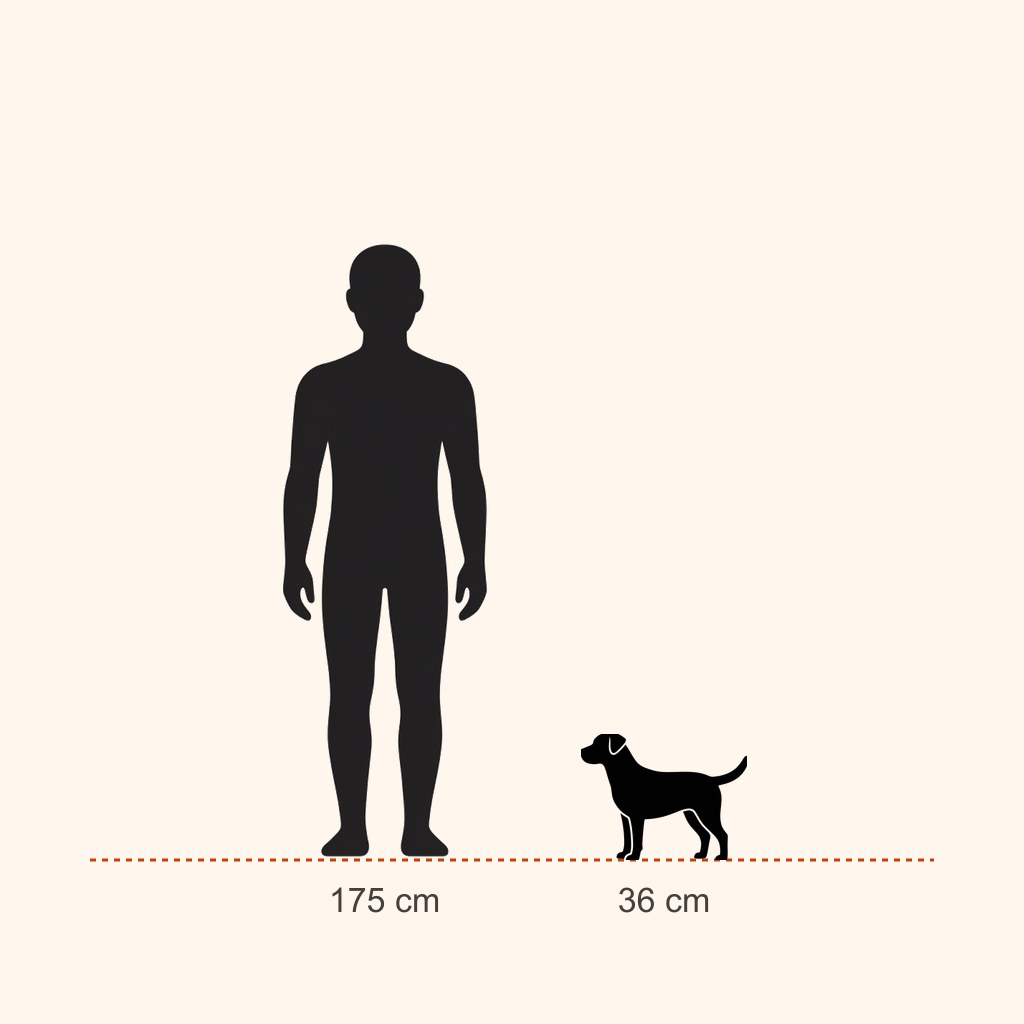
American Hairless Terrier Owner's Guide
Last updated:
Is an American Hairless Terrier right for you?
The American Hairless Terrier is a small terrier breed from Louisiana that, as the name says, comes in a hairless variety (a coated variety also exists). Allergy sufferers are drawn to it, but bare skin brings a different, constant kind of upkeep, not less upkeep — assuming this breed is "low maintenance" is the biggest mistake.
| Situation | Suitability | Note |
|---|---|---|
| Apartment | Good | Small size suits apartment living |
| Family with young children | Good | Energetic and playful; bare skin scratches easily in rough play |
| First-time dog owner | Moderate | Terrier stubbornness plus a skincare routine takes some experience |
| Household with allergies | Good, with caveats | Hairless individuals cause fewer reactions for many people but are not 100% hypoallergenic |
| Cold climate | Poor | Bare skin gets cold; winter clothing and indoor life are essential |
| Hot, sunny region | Caution | High sunburn risk without sunscreen |
| Alone 8+ hours a day | Poor | Terrier energy plus boredom turns into behaviour problems |
| Garden | Good | Can be an escape artist; fence security matters |
Choosing this breed means understanding that no fur doesn't mean no grooming — weekly baths, sun protection, and skin checks are all part of the routine.
Before you adopt
If buying from a breeder, ask about cardiac evaluation and patella checks; the breed club (AHTCA) recommends genetic health testing for its members.
When you visit the litter, look closely at the puppies' skin — excessive redness, flaking, or irritation can point to skin sensitivity in that line. Hairless and coated puppies can appear in the same litter; both are the same breed, differing by a single gene.
Temperament
The American Hairless Terrier is smart, inquisitive, and full of energy. It's affectionate and playful, gets along well with children, and enjoys play and cuddles even into old age.
It has a genuine terrier character: bold, determined, and sometimes stubborn. It responds to training but will test boundaries; it needs consistent, positive guidance.
It can bark excessively if not curbed early. It's alert toward strangers, which makes it a good watchdog without being aggressive.
Health issues and lifespan
Sources report an average lifespan of 12 to 16 years, with some citing as high as 14-16; the breed is generally considered long-lived.
- Patellar luxation: A common joint issue in small breeds; shows up as limping or holding a leg up.
- Primary lens luxation: The eye's lens shifts out of place, usually between ages 3 and 8; sudden pain and redness can signal an emergency requiring surgery.
- Heart disease: Can appear later in life with coughing and fainting spells; regular vet checks should include listening to the heart.
- Sunburn and skin damage: Unpigmented skin is vulnerable to UV exposure, which can raise long-term skin cancer risk.
- Skin infections: Dry, irritated, or scratched skin is an easy entry point for bacterial infection.
- Dental issues: Tartar and gum disease, common in small breeds generally, should be monitored in this breed too.
Feeding
An adult American Hairless Terrier (5-13 kg / 12-28 lb) eats about 100-180 g of quality dry food a day; the wide size range means portions must be adjusted per individual.
- Puppy (2-10 months): Small-breed puppy food, three meals a day.
- Adult: Two meals a day, 22-26% protein.
- Senior (10+ years): Formulas supporting heart and joint health can help.
Extra weight quickly stresses the joints in small breeds, so measure portions rather than free-feeding.
Grooming and coat
The hairless variety has bare, smooth skin; the coated variety has a short, flat coat.
- Weekly baths with warm water and a mild shampoo — bare skin builds up dirt and oil faster than a coated dog's, so it needs bathing more often.
- Dog-safe sunscreen or protective clothing before any time outdoors in sun.
- Protect with a coat or blanket in cold weather; this breed cannot tolerate long stretches outside in the cold.
- Check skin regularly for dry patches, redness, or irritation.
- A moisturising lotion can help with dry skin — ask your vet for a suitable one.
- Nails every 3-4 weeks; brush teeth several times a week.
- Ears follow a normal dog-ear structure despite the hairless coat and need regular checking.
Training and exercise
Daily need: 30-60 minutes of play and walking; despite its small size, its energy runs at terrier level.
Priorities:
- Socialisation (8-16 weeks). Balance its wariness of strangers with early, positive exposure.
- Bark management. Needs consistent, early intervention or it becomes a habit.
- Obedience basics. Terrier stubbornness responds to short, fun, reward-based sessions.
- Escape prevention. Its curious nature makes garden security important.
- Mental stimulation. Scent games and puzzle feeders help prevent boredom.
History
The breed traces back to a naturally hairless Rat Terrier puppy born in Louisiana in 1972. That puppy, named Josephine, became the foundation of today's American Hairless Terrier line through selective breeding.
The United Kennel Club recognised it in 2004, and the American Kennel Club followed in 2016, making it one of the AKC's most recently recognised breeds. Hairlessness is carried by a single recessive gene, so both hairless and coated puppies can appear in the same litter.
The coated variety is deliberately kept in the breed standard to widen the gene pool of hairless lines and avoid excessive inbreeding; both variants can appear in the same litter and are considered equally purebred.
This breed is extremely rare outside the US; if importing, plan ahead for climate adjustment (especially winter) and its skin-care routine. Finding one in a shelter is close to impossible, so most people looking to adopt end up contacting breeders abroad.
This guide is for information only and is not a substitute for veterinary advice. Prices are approximate and vary by region and time.
Adoption Prep Checklist
Housing
-
Small-breed dog bed
A comfortable bed supports joint health.
Feeding
-
Small-breed dog food
Food matched to breed size gives the right nutritional balance.
-
Food and water bowl set
Needed for daily feeding and water access.
Grooming
-
Short-hair dog brush
Regular brushing reduces shedding and matting.
-
Dog nail clippers
Regular nail care matters for healthy walking.
-
Dog shampoo
Use a dog-specific shampoo for skin and coat health.
Walking & Activity
-
Running/exercise dog harness
Needed for safe walks.
-
Interactive dog puzzle toy
Mental and physical stimulation reduces behavior problems.
Training
-
Training treats / beginner training guide
Basic obedience training is recommended for first-time dog owners.
Frequently Asked Questions
Does the American Hairless Terrier shed?
It sheds almost nothing. Regular care is still needed for skin and coat health; in hairless breeds that means skin cleaning rather than brushing.
Can the American Hairless Terrier live in an apartment?
Yes. It lives comfortably in an apartment as long as its daily needs are met. What matters is not floor area but consistent exercise and mental stimulation.
Is the American Hairless Terrier good with children?
Generally yes. It adapts well to families with children. Even so, interactions should be supervised and children taught to respect the animal’s boundaries.
Is the American Hairless Terrier suitable for first-time dog owners?
Yes. Its care and training are relatively forgiving, which makes it a sound choice for first-time owners.
How much exercise does the American Hairless Terrier need?
It is high-energy and needs vigorous daily activity. Mental stimulation matters as much as physical exercise; without enough to do, destructive behaviour follows.
Can the American Hairless Terrier be left alone during the day?
It can be left alone for a few hours. Long, routine absences can bring on boredom-driven behaviour problems; enrichment and a predictable routine reduce that risk.
How long does the American Hairless Terrier live?
The American Hairless Terrier lives 12-14 years on average. Diet, regular veterinary check-ups and early screening for hereditary conditions all affect this directly.
Where does the American Hairless Terrier come from?
The American Hairless Terrier originates from United States. The geography a breed was developed in, and the job it was bred for, explain much of its temperament and care needs today.